A Beginner’s Guide to Korean Jjimjilbang Etiquette and Relaxation

Why You Should Visit a Jjimjilbang (Public Bathhouse)
If you walk down a side street in Seoul or Busan, you will inevitably spot a sign featuring the character ♨ or the word sauna blinking in neon. Beneath it, you will likely see the term jjimjilbang (찜질방). While it is often translated simply as a “public bathhouse” or “sauna,” the reality is a multi-story ecosystem that serves as a cornerstone of Korean leisure culture.
For the uninitiated, the prospect of entering a space where you are expected to disrobe in a communal setting can feel daunting. However, once you understand the rhythm of the space, a jjimjilbang becomes one of the most accessible and relaxing ways to experience the local pace of life, especially as the air turns crisp and the temperature drops.
The Basics: Checking In and Changing Out
A jjimjilbang is not just about bathing; it is a full facility usually consisting of three distinct zones: the locker rooms, the mokyoktang (목욕탕, the gender-segregated wet bath area), and the jjimjilbang (the gender-neutral common area).
When you first arrive, you will head to the front desk. You pay your entry fee and receive a key—which often doubles as a wristband—and a set of pajamas.
“Hello, one adult, please,” you might say in English, or use a simple, “Annyeonghaseyo” (안녕하세요, Hello). The staff will provide you with a locker number and a pair of uniform clothes—usually a loose T-shirt and shorts.
The most important rule happens immediately: the separation of space. You will walk into the locker room, find your assigned number, and place your shoes in the shoe locker first. Once you move into the locker area, you are expected to remove your shoes entirely. You then proceed to the wet bath area to wash up.
If you are feeling nervous about the nudity, remember that in a mokyoktang, the culture is strictly “eyes front.” Everyone is there for the same reason—to get clean and relax—and there is no judgment. It is a functional space. You keep a small towel to wipe your face, but it is not intended to cover you while you walk around. You simply walk with confidence to the shower station, wash, and then choose a tub.
Etiquette in the Wet Zone
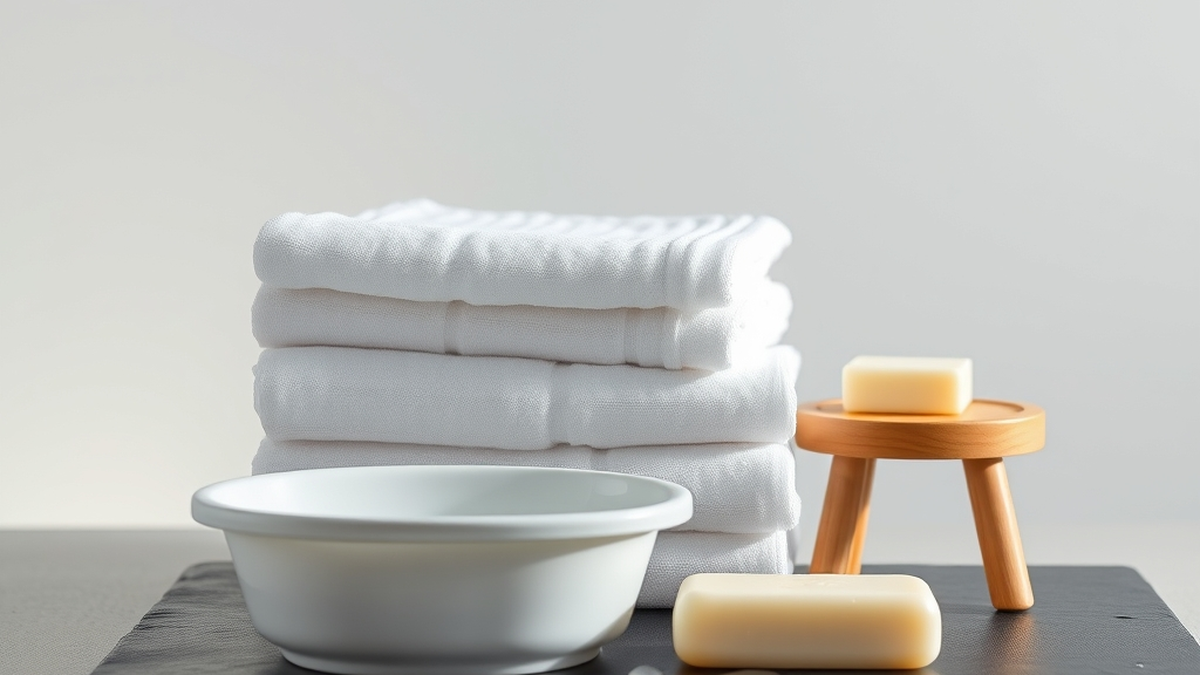
The mokyoktang is the place to wash thoroughly before entering the hot tubs. Think of it as a quiet, steam-filled sanctuary. There are rows of shower heads and low stools where you sit to scrub.
Commonly, you will hear the sound of water and the quiet murmur of conversation. If you are sitting next to a regular, you might hear a simple, “Jom danda-eyo” (좀 닦아요, I am scrubbing myself), which is just a casual acknowledgement of the task at hand.
Key etiquette points to keep in mind:
- Wash before you soak: Always shower before entering any communal tubs. This is the golden rule of public hygiene in Korea.
- Keep the towel dry: Inside the wet area, your small washcloth should be kept out of the water of the communal tubs. You can rest it on your head or keep it on the side of the tub.
- No splashing or swimming: These tubs are for sitting and soaking. They are not swimming pools.
- Quiet is key: While people do chat, the wet area is generally a place for low-volume conversation.
Once you have finished your soak, you dry off completely in the locker area before putting on the jjimjilbang pajamas. This is the transition from “bathing mode” to “lounge mode.”
The Common Area: Where the Socializing Happens
Once you are dressed in your pajamas, you head to the common area. This is the heart of the jjimjilbang. Here, the floor is usually heated (an ondol system), and people lounge on mats, chat, or browse their phones.
This is where you find the various hanjeungmak (한증막, high-temperature sweat rooms). These rooms are constructed from different materials like clay, salt, or charcoal, and they are heated to various temperatures. Entering these rooms is a unique experience—you sit or lie down on a mat, let your body heat up, and then step out to cool down in a designated “ice room” or simply by lounging in the common area.
You will see groups of friends, couples, and families gathering here. You might hear someone ask, “Sik-hye meogeul-kka?” (식혜 먹을까?, Should we have some sweet rice punch?). This is a classic jjimjilbang pairing. The sik-hye is a cold, sweet fermented rice drink that is the unofficial beverage of the bathhouse, usually accompanied by maekbanseok gyeran (맥반석 계란, slow-cooked eggs).
If you are feeling hungry, head to the snack bar. You will use your wristband key to make purchases, and you settle the bill when you leave.
Reading the Room: A Natural Flow
If you are still anxious, remember that the goal of a jjimjilbang is to be low-pressure. You don’t need to stay for hours if you don’t want to.
If you find yourself in a situation where you aren’t sure what to do, just observe. People usually move in a predictable rhythm: wash, soak, change, snack, nap, repeat.
If you are at the snack bar and the person in front of you is trying to pay with cash, they might tell the clerk, “Kiyeok-hae-juseyo” (기억해주세요, Please remember it), meaning they want to add it to their locker key tab. You can do the same.
Conversations in the common area are often light. You might hear:
- “Yeogi ddatteut-haeyo” (여기 따뜻해요, It’s warm in here.)
- “Jam-ja-gi jo-a-yo” (잠자기 좋아요, It’s good for sleeping.)
You are not expected to be an expert in the ritual. If you enter with a polite demeanor and follow the basic hygiene rules—washing before soaking, keeping the common area floor dry—you will blend in perfectly.
Why it Works as an Escape
There is a specific kind of relief in visiting a jjimjilbang when the weather gets cold. The contrast between the freezing temperatures outside and the radiant heat of the ondol floor is a simple, visceral pleasure.
It is a democratic space, too. In the jjimjilbang, everyone is wearing the same pajamas. The social markers of the outside world—what you wear, what you do for work, what you carry—are all left in the locker. You are just another person looking to sweat out the stress of the week or spend a quiet afternoon catching up on a book.
As you leave, you will likely return your key at the front desk, pay your tab, and receive your shoes back. Walking out into the cool night air feeling light and refreshed, you will find that the initial anxiety of the locker room is replaced by the satisfying realization that you have successfully navigated a fundamental part of the Korean day-to-day.
The next time you walk past that blinking neon sign, you won’t just see a place to wash—you will see a place to rest. And that is exactly what it is designed to be.