Chuseok: The Heart of Korean Family and Ancestral Tradition
Understanding Chuseok: The Significance of Korea’s Harvest Moon Festival
If you find yourself in Korea in September, the rhythm of the country changes. The frantic pace of Seoul’s subway stations, usually a blur of moving backpacks and scrolling smartphones, suddenly shifts. The streets grow quiet, shop shutters pull down, and the highways turn into massive, sluggish rivers of brake lights. This is the lead-up to Chuseok, often described by outsiders as a harvest festival, but felt by those living here as a total systemic pause.
While it is tempting to compare Chuseok to Thanksgiving, the comparison often misses the mark. It isn’t just about the meal; it is about a profound, gravitational pull that draws millions of people back to their ancestral hometowns. It is a time when the modern, hyper-connected Korean reality meets the deeply rooted, quiet requirements of family legacy.
The Great Migration and the Silent City
The first thing you notice about Chuseok is the absence. In the days leading up to the holiday, the capital undergoes a transformation. Offices post notices saying they will close for three to five days. Your favorite local cafe might put up a paper sign on the glass door, scrawled in marker: “Returning on the 20th.” If you are a foreigner in Korea, this is the moment you realize that the city is not just a place of work, but a temporary residence for people who belong elsewhere.
This mass movement is called the minjok-dae-idong, or the “great migration of the people.” For the millions who leave the cities, this is not a vacation. It is a necessary pilgrimage. Trains sell out seconds after booking portals open, and highways become parking lots. For someone new to the culture, it can be puzzling to see people endure twelve-hour drives just to spend a few days in a small town. But this is the social core of the holiday: it is an affirmation that no matter how urbanized your life becomes, you are still defined by the place where your parents or grandparents laid their roots.
The Charye Rite: A Conversation Across Generations
The most central, yet misunderstood, element of Chuseok is the Charye. This is the ancestral rite where families prepare a specific set of foods and offer them to their ancestors.
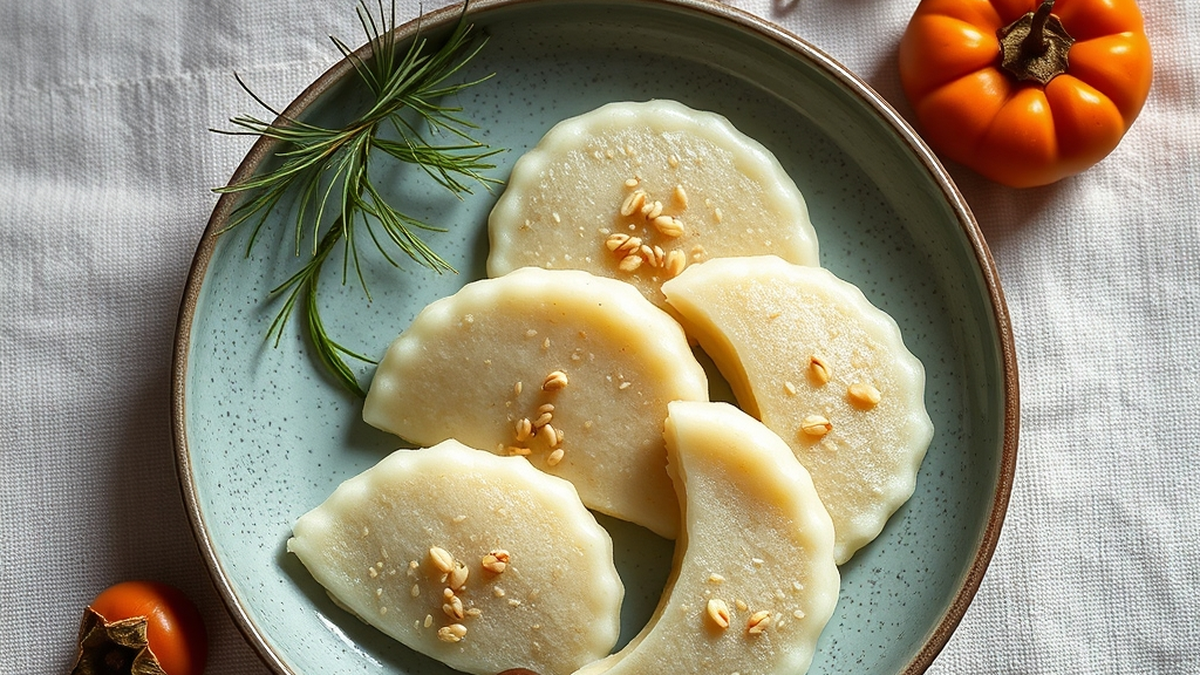
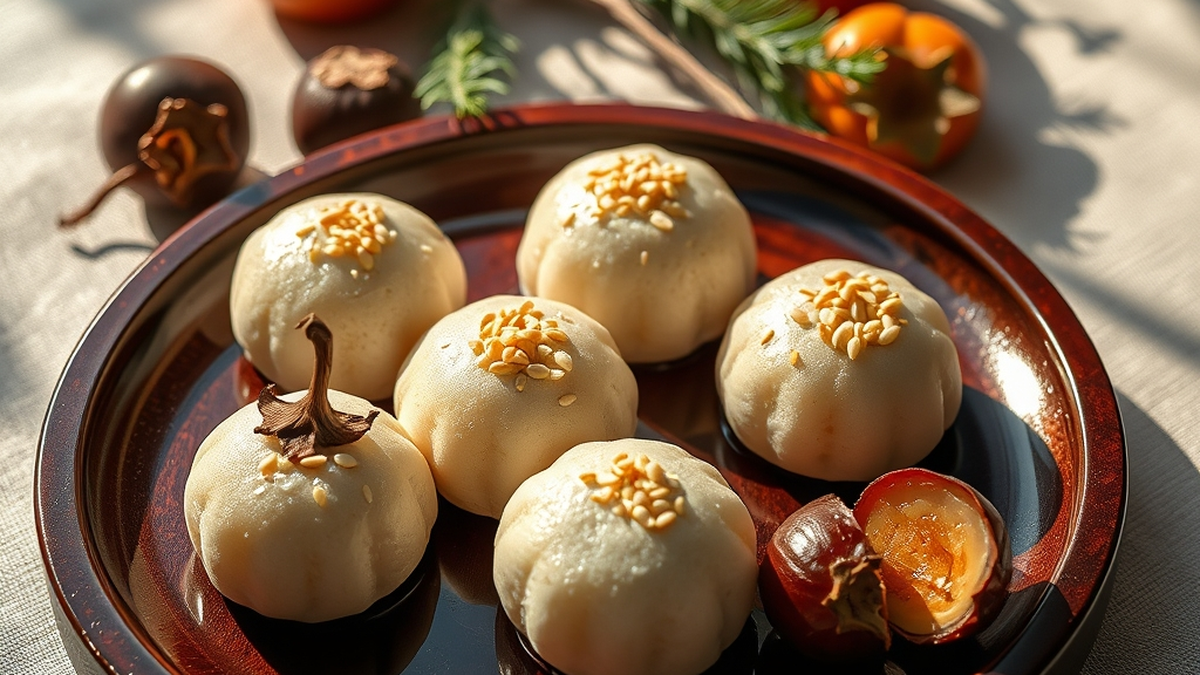
To an observer, it might look like a solemn, rigid performance of bowing and ritual. However, in practice, it is the most human part of the holiday. It is where the family gathers in the kitchen—often the most chaotic space in the house—to prepare the food. You will see grandmothers, parents, and grandchildren working side-by-side to pan-fry jeon (savory pancakes) or fold songpyeon (half-moon shaped rice cakes).
The rite itself is less about a stiff religious practice and more about a shared memory. When a family stands before the ceremonial table, they are acknowledging a lineage. The food is not eaten immediately; it is presented as an offering, a way of saying, “We are still here, we are doing well, and we haven’t forgotten you.”
If you are invited to witness this, do not expect a museum-like silence. The kitchen is usually noisy, filled with the smell of sesame oil and the sounds of people catching up. The rite is the anchor point of the day, but the hours spent chopping, frying, and joking around the kitchen table are where the real connection happens. It is a moment to strip away the hierarchies of the workplace or school and return to the simple, often messy, roles of family.
Navigating the Holiday: Awkwardness and Social Cues
Chuseok is not always seamless. It carries its own set of social stresses. If you are interacting with Korean friends or colleagues, you will notice a shift in their conversational tone during this season.
There is often a humorous, slightly cynical trope in pop culture about the “nagging” that happens during Chuseok. Young adults might joke about “escaping” the holiday to avoid questions from relatives about their grades, their employment status, or their romantic lives. If you hear a friend sighing about “Chuseok-stress,” they are likely dreading the barrage of well-meaning but invasive questions from extended family members who haven’t seen them since the previous year.
You might also notice this in messaging. Your KakaoTalk inbox will likely fill up with broadcast-style greetings from acquaintances—formatted messages featuring bright graphics of the full moon or traditional patterns. These are polite, automated ways of maintaining social ties. It is a way of saying, “I am busy with my family, but I haven’t forgotten you.” It is not necessary to reply with a long paragraph; a simple return image or a polite “Wishing you a happy holiday too” is the standard, expected rhythm.
The Full Moon and the Public Space
While the private rituals happen indoors, the public atmosphere is defined by the full moon. The hangawi (the native Korean term for Chuseok) falls on the harvest moon, which is traditionally considered the most auspicious night of the year.
In public spaces like parks or cultural centers, you might see traditional performances or communal games, such as ganggangsullae—a traditional circle dance that was once performed by women under the moonlight. While these are often presented as “cultural heritage” events, they act as a gentle reminder of the agrarian roots of the holiday. Even in a country of high-speed internet and skyscrapers, there is a collective, unspoken acknowledgment that we are dependent on the cycle of the seasons.
You might find yourself walking through a park in Seoul during the holiday, seeing families wearing hanbok (traditional Korean clothing). While this was once everyday wear, it is now reserved for special occasions like Chuseok. It is a visual signal that, for these few days, the modern costume of hoodies and suits is tucked away in favor of something that feels older and more permanent.
Recognizable Moments in Everyday Life
As an international reader, you can start to spot these nuances in your day-to-day life:
The Gift Sets: Walk into any supermarket or department store in the weeks before, and you will see the aisles taken over by elaborate gift sets. These range from high-end cuts of beef to spam, canned tuna, and fruit. It is a universal language of gratitude. If you are gifted one, it is a gesture of genuine inclusion; if you are looking to give one, you are participating in a fundamental social ritual of showing respect to your hosts or mentors.
The Office Calendar: You will notice that projects tend to wrap up abruptly. If you are working in a Korean environment, pay attention to the “holiday mood.” It is widely accepted that efficiency drops as the train tickets are booked. Don’t expect big decisions to be made on the Tuesday before the holiday.
The Empty Streets: If you stay in the city, use the emptiness to your advantage. The silence of a major metropolis like Seoul during Chuseok is rare. It provides a unique perspective on the city’s scale when it isn’t being fueled by its usual frantic energy.
The Greeting: You will hear “Chuseok jal bonaeyo” (Have a good Chuseok) repeatedly. It is the default social currency. Saying it back with a small bow is the most natural way to show you understand the significance of the moment.
The Food: Even if you aren’t participating in a Charye, the season is defined by specific foods. If you see songpyeon in a bakery, understand that it is not just a rice cake. It is the definitive flavor of the season, often steamed with pine needles to give it a woody, autumnal scent.
Chuseok, at its core, is a pause button. It asks people to stop moving, stop working, and return to the center. It is an acknowledgment that life is not just a series of goals to be achieved, but a continuous chain of relationships that need to be revisited and tended to. By understanding that it is a time for people to step out of their modern, public personas and into their private, familial ones, you can begin to see the holiday not as a list of rituals, but as a living, breathing part of the Korean year.