Toads and Hares: Symbolism in Korean Folklore
The Toad and the Hare: Symbolism in Korean Tales
On a clear night, especially when the moon hangs heavy and bright in the sky, a glance at the lunar surface might reveal what looks like a shadowy silhouette. While different cultures see different shapes—a man’s face, a crab, or a woman—many in Korea look up and see the shapes of a hare or a toad. These are not merely celestial patterns; they are anchors for some of the oldest stories in the Korean consciousness. To understand these animals, one must look past their biological reality and into the specific, layered world of Korean folklore, where they act as carriers of longevity, wit, and cosmic order.
The Hare and the Moon Palace
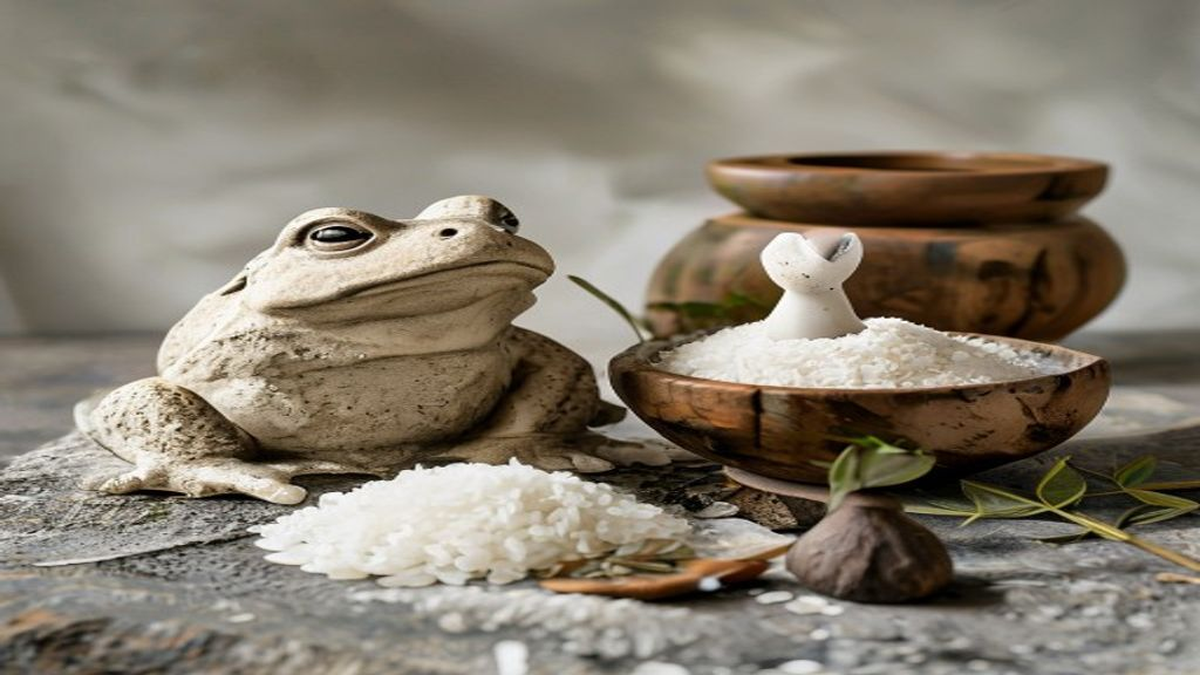
In the most common Korean rendering of lunar imagery, the hare is not a timid forest creature, but a divine pharmacist. According to the lore, a hare resides on the moon, perpetually standing before a mortar and pestle. It is often depicted grinding the elixir of life (bullocho) or making rice cakes (tteok).
This imagery serves as a cultural shorthand for the concept of the moon as a place of refuge or divine industry. When you see a decorative moon-viewing screen, a pattern on a traditional folding fan, or even the motifs on a hanbok (traditional Korean clothing) accessory, that rabbit is not there to represent cute, soft-hearted speed. It is a symbol of diligence and mystical service.
Compared to traditions where the rabbit might be a symbol of trickery or purely frantic energy, the Korean lunar hare is defined by its quiet, rhythmic labor. It is a figure of consistency. This is why you will occasionally see it referenced in literary descriptions of the moon—it is a companion to the lonely observer, a symbol of steady work that continues even when the rest of the world is asleep. It is a patient, non-judgmental presence in the sky.
The Toad: From Earthly Humility to Cosmic Protector
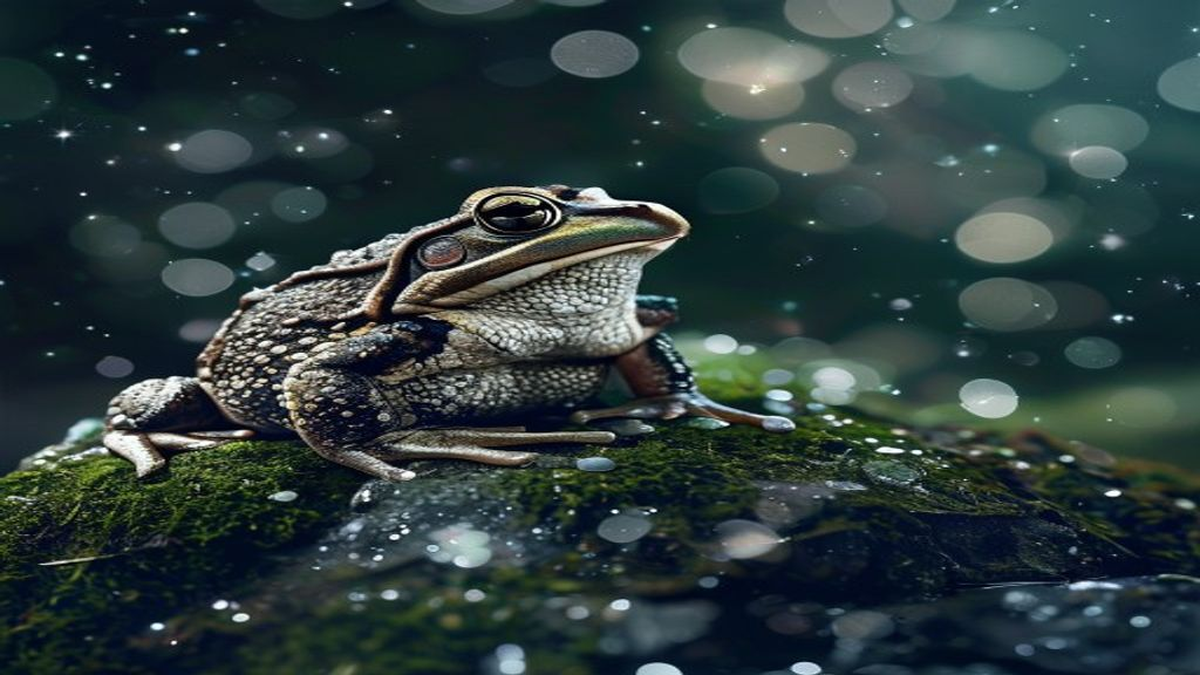
If the hare is the resident of the celestial sphere, the toad is the keeper of the earth’s mysteries. In Korean folktales, the toad is rarely the “ugly” creature found in Western fables. Instead, it is often a figure of surprising power and protective potential.
One of the most famous tales involves the toad as a guardian of the household. In stories like that of the Kongji and Patji—the Korean variant of the “Cinderella” archetype—a toad acts as a helper, emerging from a pond to aid the protagonist by blocking holes in a water jar or helping finish impossible agricultural tasks. The toad represents a kind of quiet, grounded wisdom. It does not need to be fast or beautiful to be effective.
In the broader East Asian context, the toad is often linked to water and rain. In Korea, this association is deeply practical. Since rice farming—the historical backbone of Korean society—is entirely dependent on the rhythm of the rains, the toad became a symbol of agricultural prosperity. A toad appearing in one’s garden or near a village well was historically viewed as a sign of imminent rain, a harbinger of a good harvest. When you see a toad figure in Korean folk art, it is almost always a symbol of luck and quiet, reliable fortune rather than a figure of malice.
Comparing the Traditions
While the hare and the toad share the moon-gazing stage in many East Asian cultures, the nuances of their roles in Korea are distinct. In some neighboring traditions, the toad is frequently depicted with three legs, representing the three phases of the moon. In Korea, while this three-legged iconography exists, the focus is more frequently on the toad’s role as an earth-bound guardian.
Similarly, the hare in other traditions might be portrayed as a trickster, famous for its sharp wit and ability to outmaneuver stronger, more powerful animals like the tiger. In Korean folklore, the hare is often the trickster—consider the tale of the hare outwitting the turtle to escape the underwater kingdom of the Dragon King (Yongwang)—but even in these stories, the hare remains a survivor. The trickery is not meant to be cruel; it is a mechanism of self-preservation.
When a Korean storyteller speaks of the hare, the focus is on “wisdom through evasion.” When they speak of the toad, the focus is on “success through endurance.” These are not just fairy tales; they are reflections of social values that prioritize navigating adversity (the hare) and contributing to the stability of the home and community (the toad).
Recognizing the Symbols in Daily Life
For an international observer, recognizing these motifs can transform a simple stroll through a craft market or a visit to a museum into a game of identification.
Take, for instance, the minhwa (traditional folk painting). These paintings are often filled with animals that serve as symbols of specific desires. If you see a painting featuring a moon and a hare, it is likely representing longevity and the desire for a peaceful, long life, as the hare is associated with the moon’s eternal light. You might see this on a silk screen, a decorative cushion, or even an embroidered pouch.
The toad, conversely, is frequently found in items related to the home. You might find a small stone or ceramic toad sitting near the entrance of a traditional-style restaurant or a garden. It is not there because it is “cute.” It is there as a quiet invocation of bok (blessing or good fortune). It is the symbol of the protector who keeps watch over the threshold.
You might also encounter these animals in Korean pop culture, though perhaps in modernized, subtle ways. An animated character might be depicted with a mortar and pestle during a mid-autumn festival celebration. A character in a drama might reference “looking at the moon” to express a sense of homesickness or a desire for clarity. If you understand that the hare represents the moon’s steady, timeless nature, the character’s internal emotional state suddenly makes much more sense.
A Note on Interpretation
It is important to remember that these symbols are not rigid. They do not function like a modern mascot for a brand or a singular “hidden meaning” in a business book. They are fluid. A hare might represent the moon one day and a clever survivor the next. A toad might be a bringer of rain in a rural village and a symbol of hidden wealth in a merchant’s home.
The joy of these tales lies in their persistence. They have survived centuries of change in Korea, moving from the fireside stories of the Joseon era into the art and decorative objects of today. By viewing the hare and the toad as characters with long, established roles, rather than just random animals from the woods, one can see the continuity of the Korean narrative. The next time you find yourself looking at the full moon on a clear night, take a moment to look for the hare grinding away at its work, or consider the toad sitting near the water’s edge. They are part of a long, quiet conversation that has been happening in the Korean landscape for generations.