Samsin Halmeoni: Korea’s Goddesses of Birth and Destiny
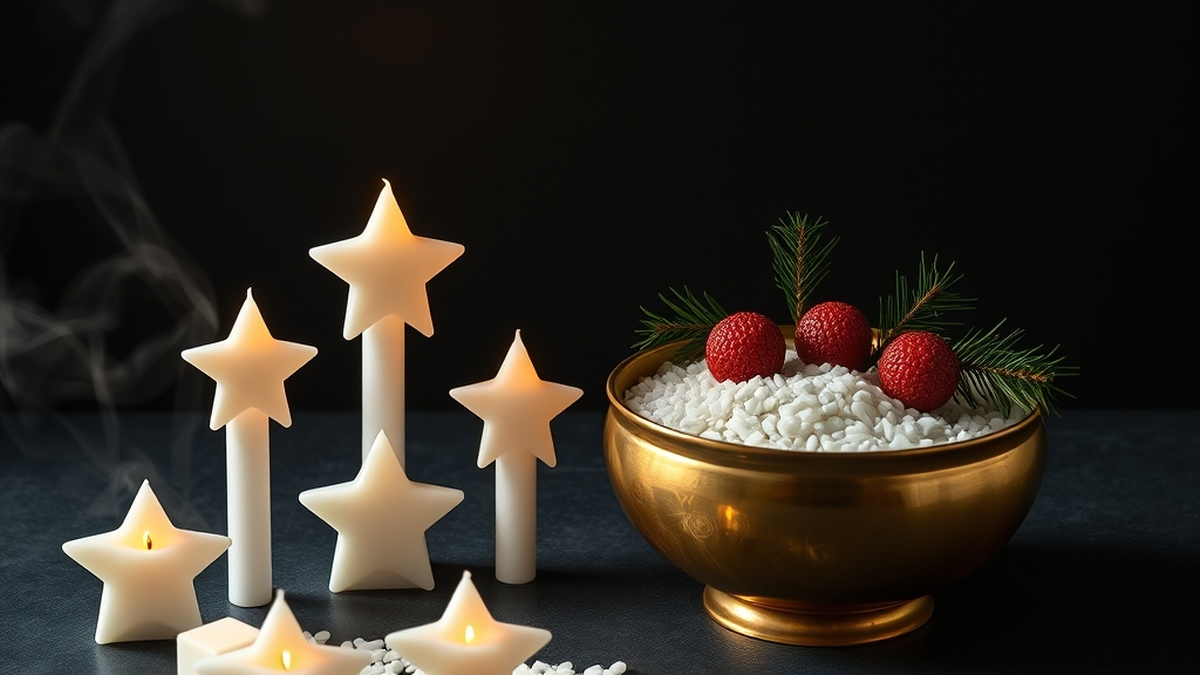
The Seven Stars and Samsin Halmeoni: The Goddesses of Childbirth and Destiny
In the traditional Korean home, the hearth was far more than a place to cook. It was the physical center of the household, a sacred space where the boundaries between the human and the spirit world were considered thin. As the nights grow longer in November and the chill sets in, the history of Korean folk belief reminds us of a time when every corner of the house was thought to be occupied by a protective deity. Among these, none were more vital to the survival and future of a family than Samsin Halmeoni (Grandmother Samsin) and the Chilseong (The Seven Stars).
These figures are not distant, unreachable deities of a far-off pantheon. In the context of Korean shamanic tradition, they are intimate, domestic entities—guardians who watched over the most precarious and precious transition of all: the arrival of a new life.
The Grandmother of Three Spirits
Samsin Halmeoni is perhaps the most recognizable figure in Korean folk belief regarding the domestic sphere. The name Samsin (Three Spirits) refers to her role as the goddess who governs the three stages of a child’s early existence: conception, childbirth, and early development.
In traditional Korean households, a small space in the corner of the primary bedroom—often called the Samsin-bang (Samsin room)—was dedicated to her. This was not a temple, but a corner of the home where a small bowl of rice or a bundle of straw might be placed as an offering. She was envisioned as an elderly woman, a grandmother figure who possessed the wisdom of ages and the gentle, watchful eyes required to guide a soul into the world.
The role of Samsin Halmeoni was to protect both the mother and the infant from malevolent spirits during the vulnerable period surrounding birth. After a child was born, it was common practice to offer her a bowl of warm seaweed soup (miyeok-guk) and fresh rice. This offering was not a grand sacrifice, but a humble acknowledgment of her presence, thanking her for the safe delivery and asking for her continued protection as the infant grew. Even today, you might see families offer miyeok-guk to the Samsin after a successful birth, a practice that bridges the gap between ancient ritual and modern family tradition.
The Seven Stars and the Fabric of Destiny
While Samsin Halmeoni manages the physical process of birth, the Chilseong—the Seven Stars—are the celestial architects of a person’s lifespan and destiny. In Korean mythology, these stars correspond to the Big Dipper, or the Great Bear constellation.
For many centuries, Koreans looked to the night sky to understand the threads of fate. The Chilseong were believed to hold the “book of life,” determining exactly when a person would be born and, eventually, when they would depart from the world. Because they governed the length of a life, they were frequently invoked alongside Samsin Halmeoni.
The relationship between the two is complementary. If Samsin is the midwife who ensures the child enters the world safely, the Chilseong are the celestial scribes who write the child’s story. In old shamanic chants, the Chilseong are often depicted as seven brothers or seven celestial beings who descend to oversee the household. They represent the connection between the human microcosm and the cosmic macrocosm. To honor the Chilseong was to ask for longevity and health, ensuring that the child protected by Samsin would also be granted a long and prosperous journey through life.
Symbols of Protection in the Household
To recognize these figures in culture, one must look for the symbols associated with them. Because these deities were considered household spirits, their influence was woven into the everyday objects of the home.
The most prominent symbol of Samsin is the geumjul (forbidden rope). When a child was born, a straw rope was hung across the gate of the house. This rope was adorned with pieces of charcoal, pine needles, and sometimes dried chili peppers or white paper. The geumjul served two purposes: it signaled to outsiders that a birth had occurred and that the household was in a state of sacred purity, and it acted as a spiritual barrier to keep away illness and misfortune. If you see a depiction of a traditional house in a historical drama or a folk painting and notice a rope draped across the entrance, that is the geumjul at work—a clear sign that the household is under the protective watch of the Samsin.
The Chilseong, meanwhile, are often represented in folk paintings as seven figures in flowing robes, sometimes holding fans or scrolls. Unlike the domestic Samsin, they are celestial, and their imagery is often found in the back sections of Buddhist temples in Korea, known as the Chilseong-gak (Seven Star Hall). Even in a modern temple visit, you might find a quiet, separate building tucked away at the back of the complex. That is where the Chilseong are honored, standing as a testament to how deeply these ancient beliefs were integrated into the broader religious landscape of Korea.
Recognizing the Folklore in Everyday Life
The influence of these deities is not limited to dusty archives or remote shrines. It persists in the nuances of Korean social life, often in ways that are subtle enough to go unnoticed by the uninitiated.
For instance, the emphasis on eating miyeok-guk (seaweed soup) on one’s birthday is a lingering, secularized echo of the offerings made to Samsin Halmeoni. While it is now a standard birthday meal, its origins lie in the post-birth nourishment provided to the mother, which was also shared with the Samsin as a sign of gratitude. When a modern Korean person eats seaweed soup on their birthday, they are participating in a tradition that once served to acknowledge the grandmother spirit who ushered them into existence.
Furthermore, the language used to describe luck and fate often draws from this well of belief. Phrases that talk about “the stars aligning” or the “destiny written at birth” are not just metaphors; they are cultural remnants of the time when the Chilseong were considered the active authors of a person’s lifespan.
When you see a family celebrating a child’s 100th day (baegil) or their first birthday (dol), you are witnessing a modern manifestation of the desire to ensure the child’s safety. These events are designed to surround the child with joy and community, effectively serving the same function as the ancient rituals that sought the favor of Samsin and the Chilseong. The fear of the “evil eye” or the need to ward off bad luck during these milestones is a direct descendant of the belief that a new life is precious, fragile, and in need of divine guardianship.
A Legacy of Watchful Care
In the modern era, the domestic deities of Korea have shifted from being literal, daily presences in every home to being cultural symbols that represent the sanctity of life. The transition from a shamanic, spirit-filled world to a secular one has not erased these figures; rather, it has folded them into the fabric of social customs.
The Samsin Halmeoni and the Chilseong represent an ancient, deeply human impulse: the desire to provide a protective shield around the most vulnerable members of the community. Whether through the hanging of a geumjul in a historical village or the simple act of preparing a bowl of seaweed soup for a birthday celebration, the underlying sentiment remains the same.
As the nights grow long and the household hearth becomes a place of warmth, these myths offer a window into how earlier generations understood their place in the world. They saw the house not as a lonely structure, but as a space shared with unseen guardians who cared as much about the child’s future as the parents did. By recognizing these symbols—the seaweed soup, the rope across the gate, the quiet respect for the transition of life—one begins to see the layers of history that still inform the way life is celebrated in Korea today. It is a quiet, enduring legacy of care, written in the stars and whispered by the grandmother in the corner of the room.