Blending Heritage and Modernity in Korean Weddings
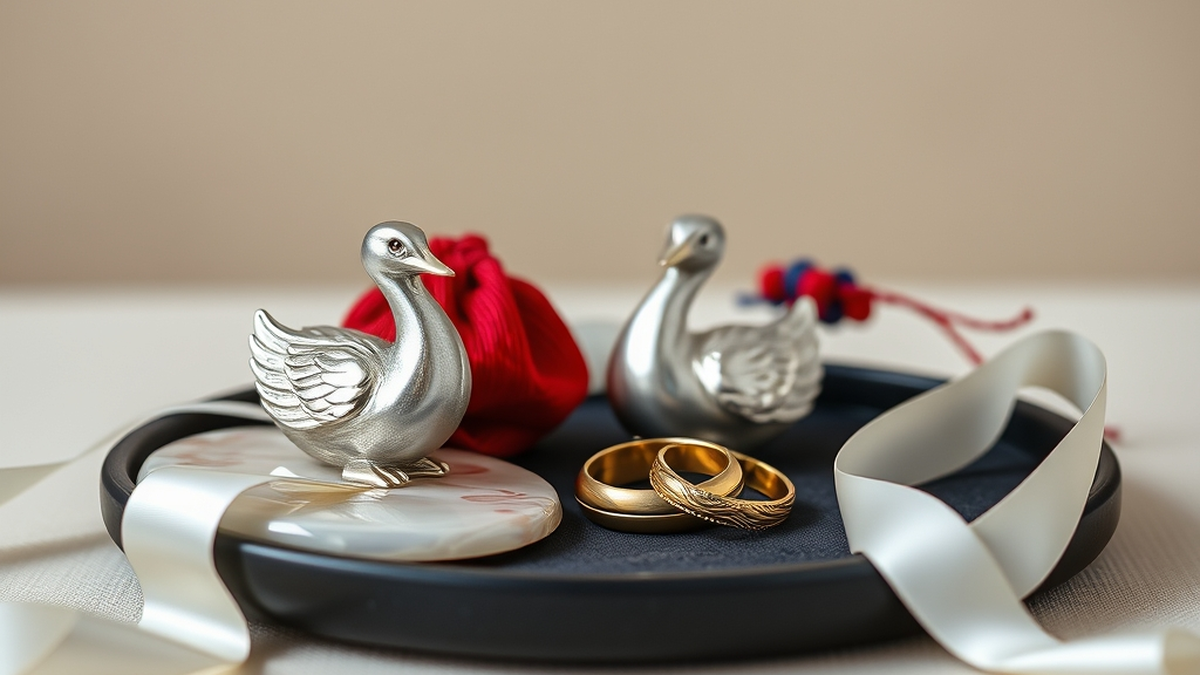
The Rituals of Wedding Culture in Modern Korea
If you walk past a large, glass-fronted building in Gangnam or a major hotel in central Seoul on a Saturday afternoon in October, you will notice a specific kind of organized chaos. Streams of people in dark suits and elegant, muted-tone dresses are moving toward the lobby. There is a distinct rhythm to the day: the sound of a professional wedding singer warming up, the sight of a bride sitting in a brightly lit room surrounded by assistants adjusting her veil, and the steady hum of guests grabbing white envelopes from a communal table.
In Korea, the wedding is not merely a private milestone for a couple; it is a significant social event that functions as a cornerstone of one’s professional and familial network. As the autumn breeze turns crisp, the “wedding season” hits its peak. To understand modern Korean life, one must understand how these rituals—a blend of ancient Confucian roots and fast-paced, high-pressure modern logistics—actually play out in the daily lives of Koreans.
The Morning Ping: The Digital Invitation
The first sign that wedding season has arrived is not a card in your mailbox, but a notification on your smartphone. In the digital era, the mobile cheong첩jang (mobile wedding invitation) has become the standard.
You might be sitting at your desk at work when a colleague sends you a link via KakaoTalk. You tap it, and a sleek, animated webpage opens. It features a curated slideshow of the couple’s professional studio photographs—often showing them in three or four different outfits, ranging from traditional attire to high-fashion evening wear. The page includes a map to the venue, a countdown timer, and, increasingly, a button to send a congratulatory monetary gift directly via bank transfer.
This digital shift has changed the social landscape of the office. There is a delicate etiquette involved here. If you are a junior staff member, receiving an invitation from a senior manager is a subtle signal. You are expected to show up, or at least acknowledge the invitation with a polite message. The “mobile invitation” makes the scale of the season feel immediate; you can look at your calendar and see three different notifications for the same Saturday in October. It turns the wedding into a scheduled appointment, almost like a business meeting, where you must balance your personal weekend plans against the necessity of maintaining professional ties.
The Envelope and the Table: The Economics of Attendance
When you arrive at the wedding hall, the first stop is the chugui-deungrok (congratulatory money registration) desk. This is the most visible ritual of the day. You approach a table where family members of the couple are sitting, often with a ledger and a stack of white envelopes.
You pull out a fresh, crisp bill from your wallet—newly withdrawn from an ATM to ensure it looks respectful—and place it inside the envelope. You write your name on the back so the family can track who attended and how much they contributed. This is not seen as a transaction, but as a reciprocal social contract. If you attend a wedding, you give money; in return, the couple provides you with a meal.
This process is remarkably efficient. Large wedding halls in Korea are designed for high-volume turnover. A wedding ceremony typically lasts about 30 to 60 minutes, followed immediately by the pyeon-yeon (wedding feast) in a separate dining hall. As a guest, you are often handed a meal ticket as soon as you drop off your envelope. The transition from the ceremony hall to the buffet line is seamless, often involving hundreds of people moving in a synchronized flow. It is a social environment where you might find yourself sitting at a table with people you haven’t seen in years—distant cousins, former classmates, or colleagues from a previous job—all brought together by the ritual of the day.
The Studio Ritual: The Pre-Wedding Industry
If the wedding day itself is a social performance for the guests, the seutudio chwaryeong (studio photoshoot) is the private, intensive labor of the couple. Months before the actual date, couples spend days in specialized photo studios.
To an outsider, the level of detail is striking. These studios are essentially film sets. You might be walking through a quiet neighborhood and see a couple stepping out of a black sedan, the bride wearing a heavy, elaborate gown, followed by an assistant carrying a portable fan, makeup kit, and multiple garment bags.
The goal of these photos is to create a visual narrative of the “ideal” couple. They are not just candid shots; they are highly stylized, often involving dramatic lighting and elaborate backdrops that mimic European gardens or minimalist art galleries. These photos are then displayed at the entrance of the wedding hall on a large easel. When you walk into the lobby, you are greeted by these portraits. It is a common social ritual for guests to stand in front of these frames, admire the aesthetic, and perhaps take a photo of the photo to send to the couple as a sign of approval.
The Pye-baek and the Modern Compromise
One of the most distinct traditional elements remaining in the modern ceremony is the pye-baek. Historically, this was a ritual held after the main ceremony where the bride would formally greet the groom’s family, offering tea and receiving advice or gifts in return.
In the modern context, this has transformed into a specialized performance. Many wedding halls now have a dedicated room designed to look like a traditional Korean house, complete with low tables and floor cushions. Because this ritual is strictly for family, most guests never see it. However, it represents the tension between tradition and convenience. Some couples choose to skip it entirely to save time or costs, while others keep it as a way to honor the elders.
When you see a bride and groom changing out of their Western-style wedding dress and tuxedo into hanbok (traditional Korean clothing) in the middle of a bustling, modern hotel, it highlights the dual nature of the day. The modern Korean wedding is a constant negotiation between the expectations of the older generation and the desire for efficiency and personal style among the younger generation.
The “Wedding Hall” Phenomenon
Unlike in many Western countries where weddings might take place in churches, gardens, or community halls, the vast majority of weddings in Korea take place in specialized “Wedding Halls” (wesik-jang). These are purpose-built venues that host multiple weddings in a single day, often back-to-back.
This environment dictates the pace of the event. Because there is another couple waiting to use the room, the ceremony must start and end on time. The music, the lighting, and the pacing of the vows are managed by professionals who run the event like a clock. For the guests, this means the experience is predictable. You know exactly what to expect: the entrance of the mothers in their respective blue or pink hanbok, the lighting of the candles, the bow to the parents, and the quick march down the aisle.
This predictability is, in many ways, a relief. It removes the stress of planning and provides a structured environment where social obligations can be met without ambiguity. You show up, you sign the book, you watch the ceremony, you eat the meal, and you leave. It is a well-oiled machine that sustains the social fabric of the city.
Recognizing the Ritual
Once you understand these moving parts, the wedding season in Korea starts to look less like a series of private parties and more like a massive, interconnected social engine. You will start to recognize the signs: the formal attire on the subway, the way a friend suddenly has a new profile picture taken in a studio, or the polite, slightly awkward conversation you have with a coworker while standing in line at a buffet.
These rituals are not just about the couple getting married. They are about the people surrounding them. When you see a group of friends laughing over a meal at a wedding hall, or a family member carefully recording the amount of money given by each guest, you are seeing the way Korean society maintains its connections. It is a blend of the ancient and the modern, performed with a level of dedication that keeps the social calendar moving, one Saturday at a time.