A Guide to Korean Cold Noodles: Pyongyang vs. Hamhung Style
The Refreshing World of Naengmyeon: Cold Noodles
When the humidity of a Korean summer peaks, the streets of Seoul often become a quiet battlefield for the soul—or at least for the appetite. As the temperature climbs, local restaurants begin to draw long queues that stretch out the door. The destination for these patient crowds is rarely a heavy barbecue or a steaming stew. Instead, everyone is waiting for a simple metal bowl filled with ice-cold broth, long chewy noodles, and a few slices of chilled vegetables. This is Naengmyeon (cold noodles), the undisputed champion of the Korean summer diet.
To the uninitiated, Naengmyeon might look like a single dish, but it is actually a broad category of culinary experiences. If you walk into a traditional noodle house, you are almost always choosing between two distinct regional legacies: the understated, delicate Pyongyang-style and the bold, fiery Hamhung-style. Understanding the difference isn’t just about avoiding a surprise; it is the key to enjoying one of the most iconic table experiences in Korea.
The Pyongyang Style: The “Flavor of Nothing”
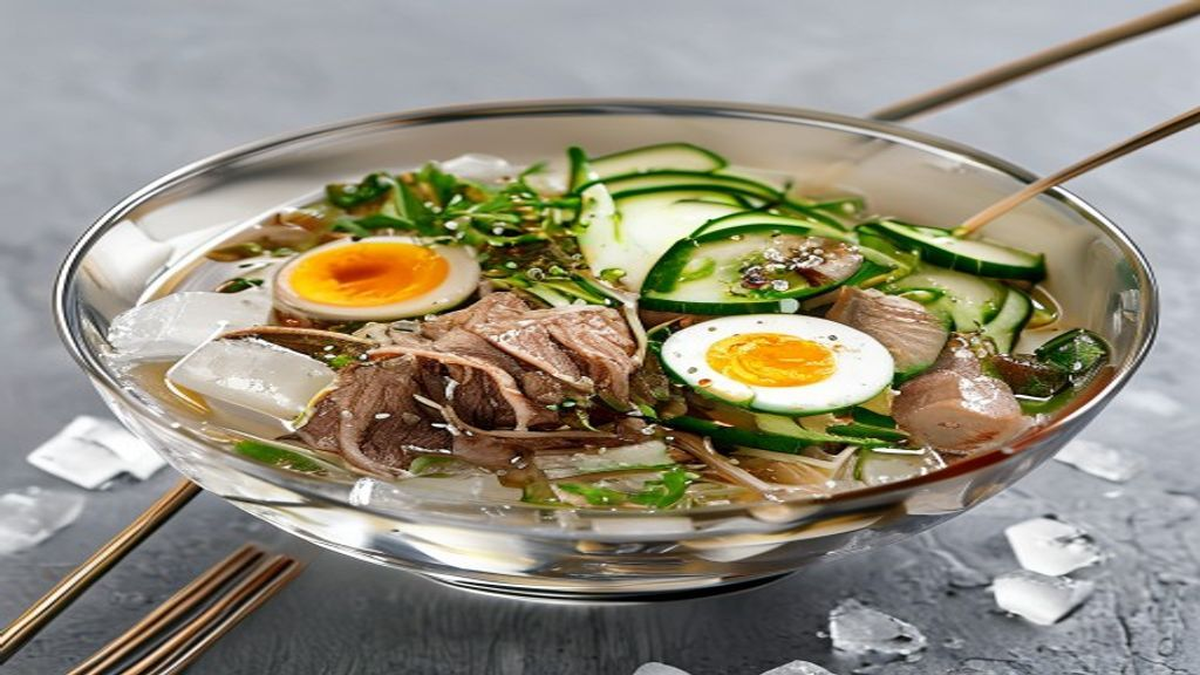
The Pyongyang-style Naengmyeon is characterized by its simplicity. If you order this, you will receive a large stainless steel bowl filled with a translucent, chilled beef or pheasant broth. The noodles, made primarily from buckwheat, are long and earthy in flavor.
There is a common, slightly humorous trope among Korean foodies that the first time you eat Pyongyang Naengmyeon, you will be confused. It is often described as having the “flavor of nothing.” Because the broth is so subtle—delicate, clean, and barely seasoned with salt or soy sauce—it can feel like a letdown to a palate accustomed to the aggressive spice of other Korean dishes.
However, there is a distinct art to eating it. Before you reach for the vinegar or mustard on the table, take a sip of the broth exactly as it is served. You will notice the faint, nutty aroma of the buckwheat noodles mingling with the chilled, meaty base. It is a slow-burn experience. The more you eat, the more the nuances emerge.
In a social setting, if you are dining with Korean friends, you might see them refrain from cutting the long noodles with scissors. Traditionally, these long strands represent longevity, so cutting them is sometimes considered a break in tradition, though it is perfectly acceptable if you find them too difficult to manage. Many locals eat it by lifting the noodles directly from the bowl, using the cold broth to cleanse the palate between bites of boiled beef or sliced radish.
The Hamhung Style: A Spicy Kick
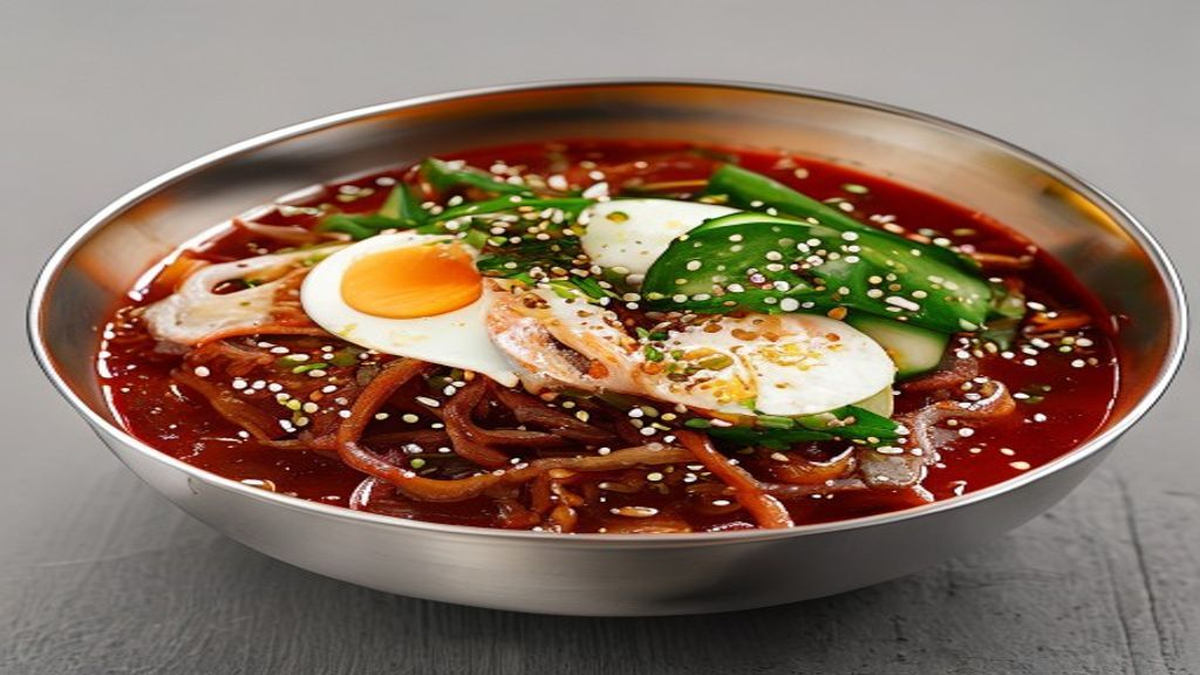
If the Pyongyang style is a calm meditation, the Hamhung-style Naengmyeon is a jolt of energy. This style relies on noodles made from potato or sweet potato starch, giving them a much firmer, chewier, and more elastic texture than their buckwheat counterparts.
Hamhung Naengmyeon is typically served as Bibim-naengmyeon (mixed cold noodles), meaning it is served without a large pool of broth. Instead, the noodles are tossed in a vibrant, deep-red spicy sauce made from Gochujang (red chili paste). It is often topped with Hoe (raw, marinated fish), creating a texture that is simultaneously crunchy, spicy, and chewy.
This is the version to order if you want an immediate sensory impact. The sauce is sharp, sweet, and spicy enough to make you reach for a glass of cold water. Because of this, it is frequently served alongside a small cup of warm, savory beef bone broth. This might seem counterintuitive—drinking something hot while eating a cold, spicy meal—but it serves a vital purpose. The hot broth prepares your stomach for the cold noodles, and it provides a comforting, savory contrast to the heat of the chili paste.
How to Navigate the Table
Regardless of which style you choose, the dining table for Naengmyeon usually features a standard set of “tools” designed to help you customize your meal.
First, there are the scissors. Unless you are at a very high-end establishment that treats the noodles as a delicate art piece, you will almost always be handed a pair of kitchen scissors. Do not feel intimidated; it is standard practice to cut the long noodles once or twice in a cross-shape to make them manageable. Without this, the noodles can be so long and elastic that they become difficult to pull from the bowl without splashing broth on yourself.
Then, there are the canisters of vinegar and mustard. For the Pyongyang style, use these sparingly. A single swirl of vinegar can brighten the broth, but too much will mask the subtle beef notes. For the Hamhung style, the mustard is a key component; it cuts through the sweetness of the chili sauce and adds a sharp, nasal heat that clears the senses.
Another staple of the table is the side of Mu-saengchae, or thinly sliced, pickled radish. This provides a necessary crunch. Many diners add a portion of these radishes directly into their bowl to provide texture contrast to the soft noodles.
Finally, consider the timing. Naengmyeon is not a meal meant to be lingered over for hours. It is a functional, refreshing lunch. Because the broth is served icy, the noodles maintain their “chew” for only a short window before they begin to soften or clump together. Eat it while it is at its coldest.
Beyond the Seasons
While Naengmyeon is definitively a summer food—a dish designed to cool the body down when the humidity index is high—it holds a unique place in the Korean winter as well. There is a tradition of eating cold noodles in the middle of winter, a practice often linked to the idea that the ice-cold temperature of the dish is most enjoyable when contrasted with the warmth of a heated floor, or Ondol.
You might see a group of friends finishing a heavy, greasy meal of grilled meat and, rather than opting for a hot stew, finishing the night with a shared bowl of Naengmyeon. The sharp, clean taste of the cold broth acts as a perfect digestive finish to a rich, fatty meal. It cleanses the palate and leaves you feeling refreshed rather than weighed down.
When you are out in Korea and the sun is beating down, you won’t need a guidebook to find the right spot. Just look for the place with the busiest entrance and a menu divided clearly between the mild, buckwheat-based noodles and the spicy, potato-starch varieties. Whether you choose the quiet, savory depth of Pyongyang or the energetic, spicy bite of Hamhung, you are participating in a cooling ritual that has sustained Koreans through countless hot summers. It is a simple, satisfying slice of the local culture, served in a stainless steel bowl and finished with a cold, clear sip of broth.