Jeju Island's Seolmundae Halmang: The Creator Giantess
The Myth of Jeju Island’s Seolmundae Halmang: The Creator Giantess
When you stand at the base of Hallasan, the massive shield volcano that dominates the center of Jeju Island, the scale of the landscape feels almost impossible. The mountain rises abruptly from the sea, a singular, towering presence that dictates the island’s weather, its agriculture, and its very geography. For the people of Jeju, this isn’t merely a geological formation. It is the work of Seolmundae Halmang, a primordial giantess whose life—and death—shaped the island into the volcanic wonderland travelers visit today.
In the tapestry of Korean folklore, where mountain spirits and water deities are often depicted as wise, elderly men or ethereal hermits, Seolmundae Halmang stands apart. She is a titan, a creator figure whose sheer physicality is reflected in every crater, islet, and basalt formation on the island. To understand Jeju is to understand her story.
The Giantess Who Sculpted an Island
According to the oral traditions of Jeju, Seolmundae Halmang was a giantess of immense proportions. Her strength was so great that she could carry earth in her apron to build the land itself. The legend goes that she scooped up soil and rocks from the mainland and carried them to the sea, dropping them strategically to form the island of Jeju.
The most famous aspect of her creation story involves the formation of Hallasan Mountain. It is said that she piled up earth to create the mountain, but because it was too tall, she reached up and snapped the peak off with her hands. That peak fell into the sea, forming the various islets that dot the coastline of Jeju today.
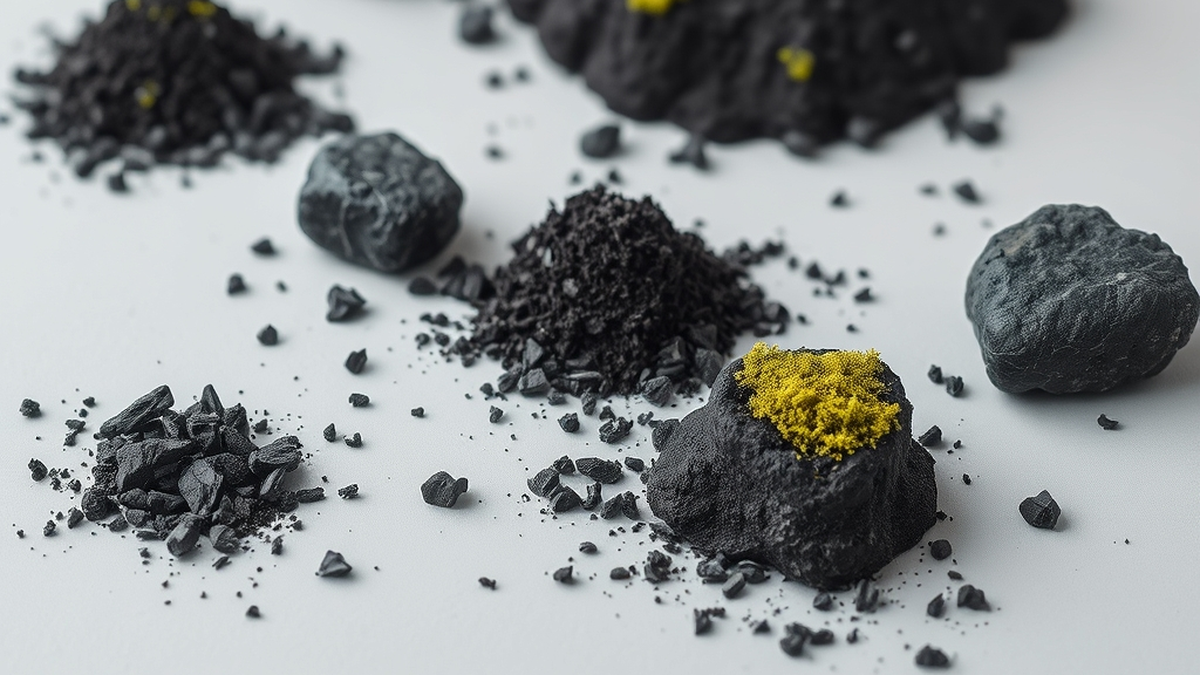
But her influence didn’t stop at the mountain. The many “oreum” (volcanic cones) that stud the Jeju landscape—there are over 360 of them—are said to be the piles of dirt that fell from her apron as she walked across the island. The craters at the tops of these cones are the marks left by her feet. Even the vast, rugged coastline, with its jagged basalt cliffs, is often attributed to her movements. She was a landscape architect of mythic proportions, and the island remains her permanent, physical legacy.
The Tragic End: A Mother’s Sacrifice
While Seolmundae Halmang is remembered as a creator, her story is also one of profound sorrow. Like many foundational myths, the tale ends not with a celebration of power, but with a selfless sacrifice.
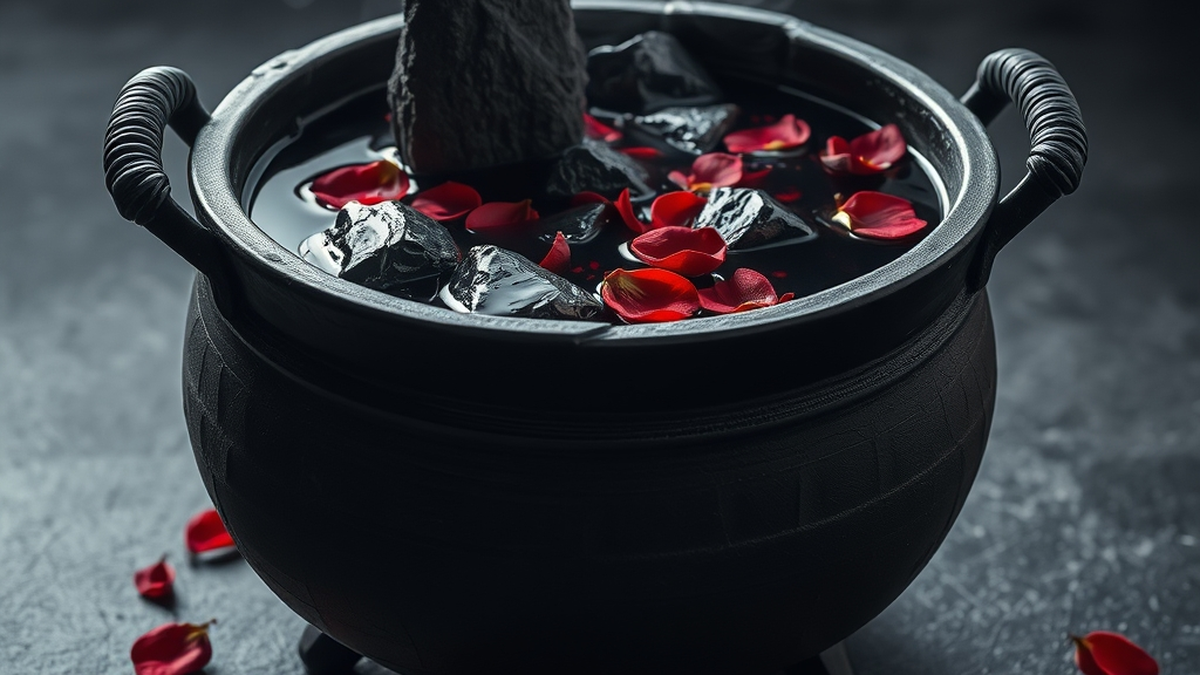
The story goes that Seolmundae Halmang had a deep love for her children. In some versions of the myth, she had five hundred sons. During a time of severe famine, she went out to gather food to feed them. Exhausted and hungry herself, she fell into a large cauldron of boiling porridge—or, in other versions, a deep pit—and perished.
Her sons, unaware of what had happened, continued to eat the porridge. It was only when the youngest son reached the bottom of the pot and discovered her remains that the truth was revealed. Overcome with grief, the five hundred sons wept so bitterly that they turned into stone, becoming the five hundred “janggun” (general) rocks that can be seen on the slopes of Hallasan today. This connection to the landscape is central to the Jeju identity; the rocks are not just geological features, but physical manifestations of a shared, ancestral grief.
Cultural Role: Why She Still Matters on Jeju
For the international visitor, Seolmundae Halmang might seem like a distant fairy tale. However, in the context of Jeju culture, she is a living presence. You will see her influence in how locals discuss the island’s unique topography. When a guide points out the distinct shape of a volcanic cone or explains why the soil is so rich and dark, they are often referencing the “mother” of the island.
This myth serves a distinct purpose. Unlike the mainland Korean tradition, which is heavily influenced by Confucian hierarchy and state-sponsored history, Jeju’s mythology is deeply matriarchal and tied to the raw, untamed nature of the island. Jeju has historically been a place of resilience, shaped by its isolation from the mainland and its harsh maritime environment. The figure of a giant mother who provides for her children—even at the cost of her own life—resonates with the island’s history of strong, independent women, particularly the haenyeo (female free-divers) who have been the primary breadwinners of Jeju families for generations.
When you visit the Jeju Stone Park, you will find a space dedicated to this very history. The park doesn’t just display rocks; it frames the island’s geology through the lens of Seolmundae Halmang. It is a place where the barrier between the scientific study of volcanic activity and the cultural memory of the people dissolves. Visitors who engage with the site find that the “geology” they are looking at is actually a story of family, sacrifice, and the physical endurance of a mother figure.
Recognizing the Myth in the Wild
If you are traveling through Jeju in November, the shoulder season brings a crispness to the air that makes hiking the oreum particularly pleasant. As you stand on the ridge of an oreum, looking out over the patchwork of stone-walled fields and the deep blue of the Pacific, you might find yourself thinking about the scale of the landscape.
When you see a sign explaining the formation of a specific volcanic cone, look for the local name. You will often see references to “Halmang” (Grandmother). If you find yourself in a conversation with a local resident about the island’s history, don’t be surprised if they mention the giantess. It is a common cultural shorthand.
You might hear a local remark, “The wind is strong today because Halmang is moving her apron,” or “The peak of that mountain looks just like the spot where she left her mark.” It isn’t that they believe in a literal giantess in the modern, scientific sense; rather, it is a way of acknowledging the island’s wild, volcanic spirit. It is a way of humanizing the landscape, turning a cold geological fact—that Jeju is a volcanic island formed by tectonic activity—into a warm, storied home.
Modern Misunderstandings
A common mistake international readers make is viewing Seolmundae Halmang as a mascot or a simplistic “mother nature” trope. In modern marketing, we are used to seeing mythological figures flattened into cartoonish logos. However, the story of Seolmundae Halmang is inherently serious and melancholic.
She is not a cheerful deity of abundance; she is a figure of labor and loss. Her story is not about the “magic” of the island, but about the struggle to survive on it. When you encounter her image in art or sculpture on the island, note the stoicism in her expression. She is portrayed as a woman who has worked hard, who has suffered, and who remains the foundational pillar of the island’s identity.
Treating her story with respect means understanding that for the people of Jeju, the landscape is not a backdrop for tourism; it is a monument. The volcanic peaks are not just scenic viewpoints; they are, in the collective memory of the islanders, the remnants of a mother’s labor.
A Quiet Legacy
As you move across the island, from the volcanic craters to the basalt-lined shorelines, you are tracing the path of a giantess. Whether you are trekking up the slopes of an oreum or simply observing the unique, dark stone walls that protect Jeju’s citrus orchards, you are witnessing the physical world through the lens of a myth that has defined this place for centuries.
Seolmundae Halmang is a reminder that even in a world governed by science and modern infrastructure, there is still room for the stories that make a place feel like a home. She is the giant who built the island, the mother who fed her children, and the spirit that remains etched into the very soil of Jeju. The next time you find yourself standing in the shadow of Hallasan, look closely at the peak. You might just recognize the mark of the grandmother who carved an island out of the sea.