The Moon Rabbit: Korean Folklore of the Harvest Moon
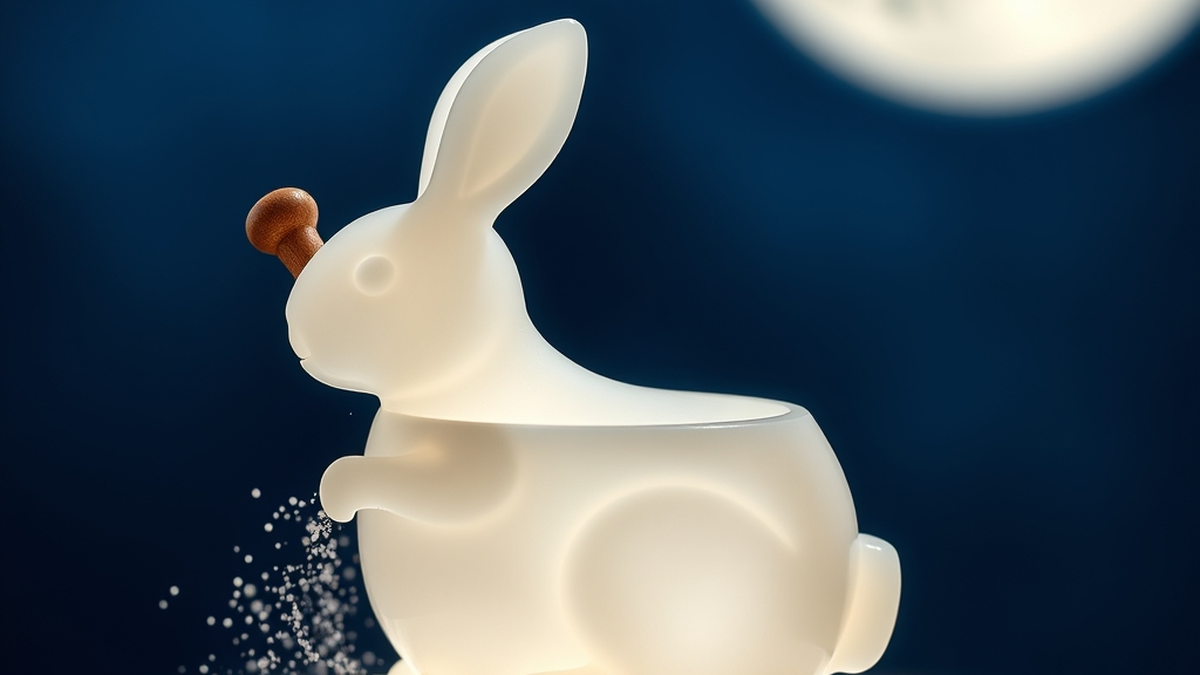
The Moon Rabbit: Korean Folklore in the Night Sky
When the autumn air turns crisp and the Harvest Moon rises, full and luminous, many people in Korea look up and see more than just a satellite. They see a scene frozen in the craters of the lunar surface. While observers in other parts of the world might see a human face or a set of shadows, the traditional Korean gaze identifies a small, diligent creature: the Moon Rabbit, or Dal-tokki (달토끼).
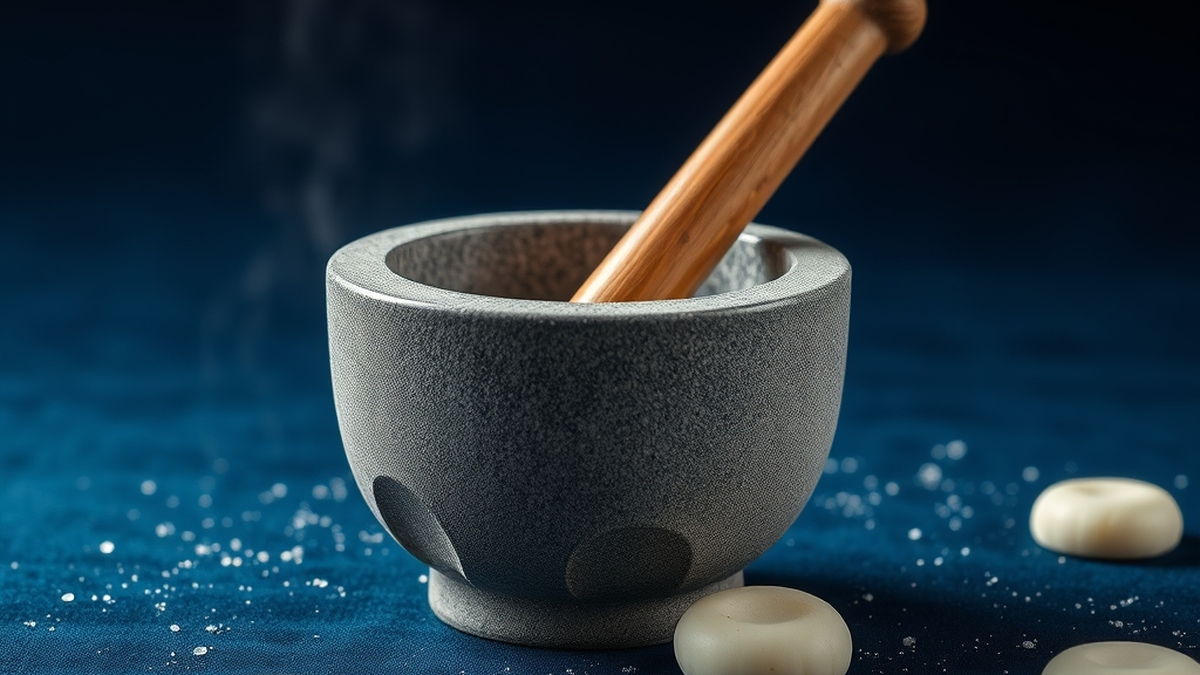
In Korean folklore, the rabbit is not merely sitting on the moon; it is actively working. If you look closely at the light and dark patches of the full moon during the Chuseok holiday, you might be able to make out the silhouette of a rabbit standing on its hind legs, rhythmically pounding a mortar and pestle. This imagery is deeply woven into the fabric of Korean cultural life, appearing in traditional songs, folk art, and the seasonal festivities that define the lunar calendar.
The Story of the Moon Rabbit
At the heart of the Korean belief is a story of self-sacrifice and divine reward. Legend tells of a rabbit who lived on Earth and was chosen to be taken to the heavens by a deity. Once on the moon, the rabbit was tasked with a specific, noble duty: to prepare the “elixir of life” or “immortality medicine,” known in Korean as bullo-yak (불로약).
The rabbit uses the mortar, known as a jeolgu (절구), to grind medicinal herbs. This imagery of the rabbit as a pharmacist of the heavens elevates the creature from a simple woodland animal to a figure of industry, purity, and benevolence. It is a quiet, steady kind of magic. Unlike tales of cosmic battles or grand mythological heists, the Moon Rabbit story focuses on the virtues of patience and constant effort.
In traditional Korean thought, the moon is often associated with the feminine principle, cooling light, and the cycles of growth. By placing a rabbit—a creature associated with quickness, sensitivity, and fertility—in the center of this lunar cycle, the folklore bridges the gap between the chaotic, fleeting nature of life on Earth and the eternal, steady nature of the sky.
The Cultural Role of the Moon Rabbit
The Moon Rabbit is most prominent during Chuseok, the mid-autumn harvest festival. During this time, families gather under the brightest moon of the year to share food, honor ancestors, and express gratitude for the harvest. The presence of the Moon Rabbit in the sky serves as a backdrop for these celebrations.
You will see the rabbit motif everywhere during this season. It appears on the packaging of gift sets, in the patterns of seasonal paper fans, and in the decorations at public cultural centers. It is a symbol that evokes a sense of comfort and home.
In popular culture, the rabbit is often depicted as a lovable, busy assistant to the Moon Goddess. You might see drawings of the rabbit wearing a small apron or holding a wooden mallet, its ears perked up in concentration. This lighthearted, anthropomorphized version of the myth is how it persists in the daily lives of modern Koreans. It is not viewed as a rigid religious doctrine, but rather as a cherished cultural icon that makes the night sky feel more personal and inhabited.
Recognizing the Rabbit in Modern Settings
Because the Moon Rabbit is such a recognized figure, you will notice it appearing in various, low-key ways across Korea. Recognizing these instances can change how you experience the landscape of Korean design and storytelling.
Consider the aesthetic of tteok (떡), or Korean rice cakes. During the autumn season, you may find rice cakes shaped like small, round rabbits. These treats are not just snacks; they are edible symbols of the legend. When you see a dessert shop or a street vendor selling rabbit-shaped sweets in the weeks leading up to the harvest, you are witnessing the folk belief in action.
The image also shows up in stationery, children’s book illustrations, and digital media. If you look at the logos of certain cultural festivals or the patterns on traditional hanbok (한복) textiles designed for children, you might spot a stylized rabbit leaping or pounding a mortar. It is a shorthand for “autumn,” “harvest,” and “well-wishes.” If you find yourself in a bookstore in Seoul, you might see children’s storybooks retold with the Moon Rabbit as the protagonist, often focusing on the theme of helping others or finding joy in one’s daily work.
Furthermore, the language itself reflects this connection. You might hear the phrase “moon rabbit” used metaphorically to describe someone who is working tirelessly, often behind the scenes, to accomplish a goal. It is a gentle way of acknowledging effort, much like the rabbit who labors in the moon to keep the elixir of immortality flowing.
Distinguishing the Korean Lunar Tradition
It is important to understand the specificity of the Korean interpretation of the moon. While there are other cultural lunar myths in East Asia involving animals—such as toads or different variations of rabbits—the Korean version remains distinct in its focus on the rabbit’s role as an apothecary.
In Korean folklore, the rabbit is almost exclusively defined by the mortar and pestle. You will not find the rabbit engaging in unrelated, high-stakes drama; the narrative stays focused on the medicine-making. This simplicity is what allows it to endure. By maintaining this consistent imagery, Korean culture avoids conflating the rabbit with other zodiac symbols or unrelated mythic figures.
When you see a rabbit in a Korean context—particularly one associated with the moon—you are looking at a symbol of medicinal grace. It is the idea that nature is working in harmony with the heavens to provide healing. By looking for the jeolgu (mortar) in the shadows of the moon, you are participating in a tradition that links the observer on the ground to the lunar cycle above.
A Quiet Presence
The next time you find yourself in Korea during the cooler autumn months, take a moment to step outside when the sky is clear. Even if the city lights are bright, the full moon often cuts through the haze.
As you look up, you won’t need to search for a hidden meaning or a complicated historical lesson. The Moon Rabbit is simply a part of the scenery. It is a reminder that even in the vastness of the night sky, there is a sense of domesticity and order. The rabbit continues its work, the medicine is prepared, and the cycle of the seasons continues as it has for generations. It is a small, steady piece of folklore that turns a distant celestial body into a companion, one that waits patiently in the sky, night after night.