Hanok: How Traditional Architecture Harmonizes with Nature
The Meaning of Hanok: Living Spaces and Nature in Traditional Architecture
If you have ever visited a traditional Korean house, or Hanok, on a sweltering August afternoon, you have likely experienced a moment of sudden, cool relief. The air inside shifts the moment you step off the stone courtyard and onto the elevated wooden floor. It isn’t air conditioning; it is physics.
In Korea, the architecture is not something that sits on the landscape; it is a conversation with the landscape. With Korea’s four distinct seasons—brutally humid, sweltering summers and freezing, biting winters—the traditional house was engineered to be a living, breathing machine. By balancing two core elements, the Ondol (underfloor heating system) and the Maru (raised wooden floor), Korean ancestors managed to live comfortably regardless of whether the thermometer was hitting thirty-five degrees Celsius or minus fifteen.
Understanding these two systems is the key to spotting why Korean interior spaces—even in modern apartments—feel the way they do today.
The Cooling Magic of the Maru
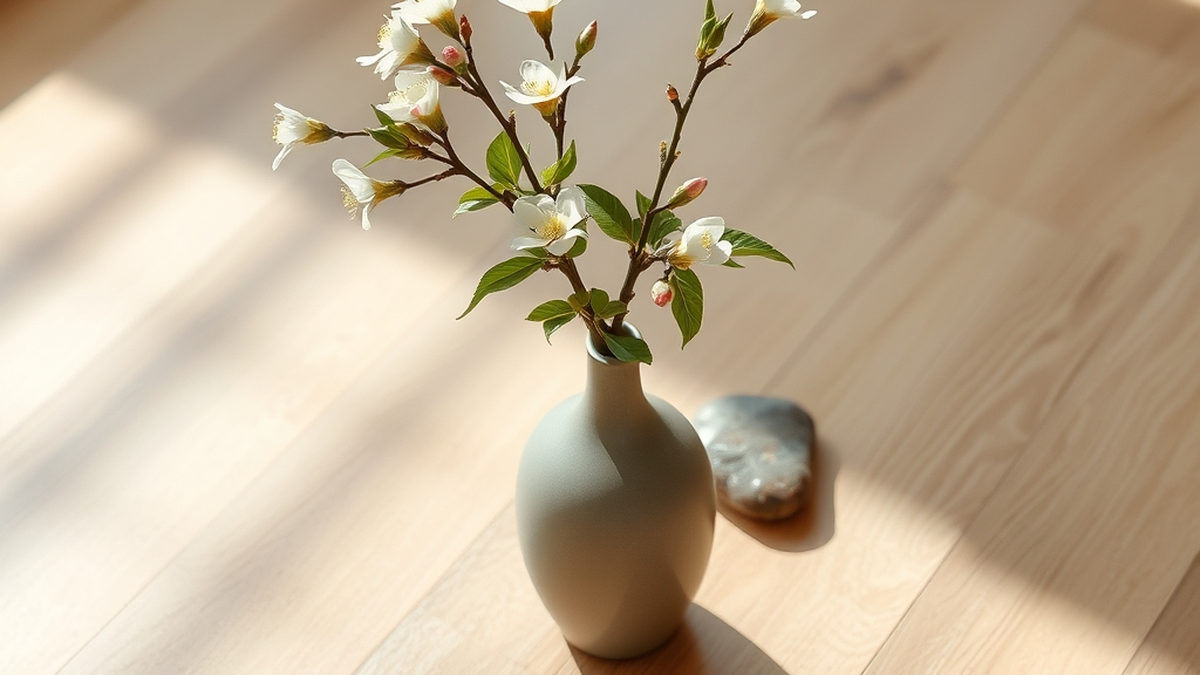
In the heat of an August day, the Maru—the raised, slatted wooden floor—is the hero of the house. Because the floor is elevated off the ground, cool air can circulate underneath the structure. When you see a Hanok with a wide, open wooden porch, you are looking at a space designed to invite the breeze.
You can see the remnants of this logic in everyday life throughout Korea.
- The Park Bench Effect: Have you ever noticed how many public parks or riverfronts in Seoul feature wooden platforms (Pyeong-sang) where elderly people sit to fan themselves? These are essentially portable, mini-versions of the traditional Maru. They are elevated to catch every bit of cross-breeze, turning a hot sidewalk into a breezy resting spot.
- The “Feet-Up” Culture: When you enter a traditional-style restaurant or a heritage site, there is an immediate, almost instinctual urge to sit cross-legged on the wooden floor. You’ll notice that friends who visit these spots often end up discarding their shoes and sitting directly on the wood, feeling the temperature difference immediately. It isn’t just about decor; it’s about physically feeling the house breathe.
- The Breezeway Architecture: In some traditional-style cafes, you will notice that the sliding doors are designed to be removed or tucked up into the ceiling. This allows the building to turn from a closed room into an open-air pavilion. It is a lesson in airflow that makes you realize why modern Korean apartments often emphasize cross-ventilation—designers are still trying to recreate that same natural “draft” that a Maru provides.
The Invisible Heat of the Ondol
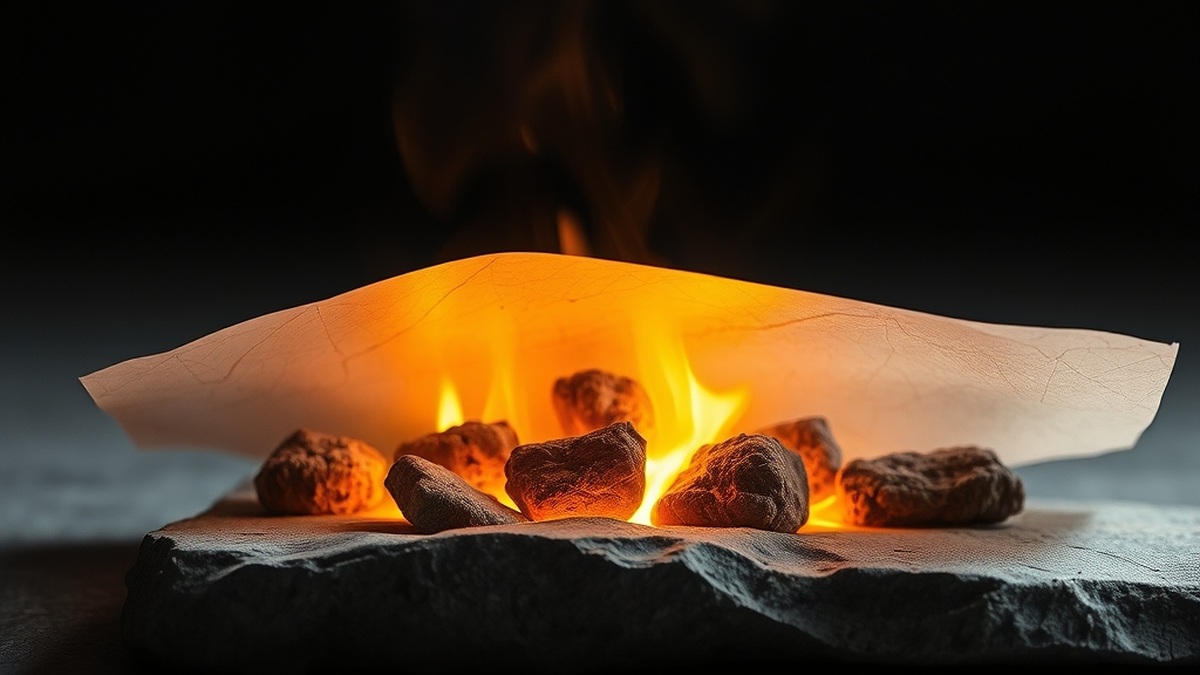
If the Maru is for the summer, the Ondol is the absolute king of the winter. Unlike Western systems that heat the air, Ondol heats the floor. A fire was traditionally built outside the house, and the smoke and hot air were channeled through stone flues beneath the floorboards before exiting through a chimney.
This system is why, even in the most modern high-rise in Gangnam, you will never find wall-to-wall carpeting.
- The “Floor-Living” Habit: If you are invited to a Korean colleague’s home, you will almost certainly be asked to take your shoes off at the door. You might notice that the floor is surprisingly warm to the touch. This is the modern version of Ondol. Because the heat radiates from the ground up, the most comfortable place to be in a Korean home is sitting directly on the floor. It’s why you see families gathered around a low table for dinner rather than sitting on a sofa. The floor isn’t just for walking; it’s for living.
- The School Nap: If you’ve ever seen students at a school or a university library during a break, you might catch them laying their heads down on the floor or leaning against a warm radiator-free wall. Because the floor is the source of warmth, it becomes the most comfortable place to rest. It’s a habit that starts in childhood and continues well into adulthood.
- Messaging and “Warmth”: You might notice your Korean friends messaging you about “staying warm” during the winter, often emphasizing the state of their floor. It’s common for a host to say, “The floor is nice and toasty today,” which is the Korean equivalent of saying, “It’s cozy in here.” The warmth of the floor is a universal marker of hospitality.
Why Modern Spaces Still “Feel” Traditional
You might wonder why these architectural choices persist in a country full of glass skyscrapers and high-speed internet. It is because the climate of the Korean peninsula hasn’t changed, even if the building materials have.
- The Restaurant Entrance: Even in modern restaurants, the transition from the “outside” (street level) to the “inside” (dining area) is almost always marked by a small step up. This is a subtle nod to the traditional Hanok floor height. By stepping up, you are entering a space where the floor has been treated differently—usually by being warmed or kept meticulously clean because that is where people sit.
When you walk through a historical village like Bukchon in Seoul, you are not just looking at old houses. You are looking at a climate-responsive logic that has dictated Korean social behavior for centuries. The reason people take off their shoes, the reason they sit on the floor, and the reason they appreciate wide-open windows in the summer is all part of this architecture.
The Hanok isn’t a stagnant relic; it is an approach to living that prioritizes the interaction between the person and the ground beneath them. Whether it’s the way the wooden Maru pulls a cool breeze into the house during a humid summer, or the way the Ondol keeps the floor warm enough for a nap in the dead of winter, these elements are the true heartbeat of Korean architecture.
Next time you find yourself at a restaurant where you have to leave your shoes at the entrance, or you sit on a wooden bench at the park to escape the heat, take a moment to notice the floor. You aren’t just sitting in a space; you are participating in a tradition that has kept Koreans comfortable for generations. It is a simple, effective design language—one that says that sometimes, the best way to live with nature is to let your house do the heavy lifting for you.