The Art of Ssam: A Guide to Korea’s Communal Dining Tradition
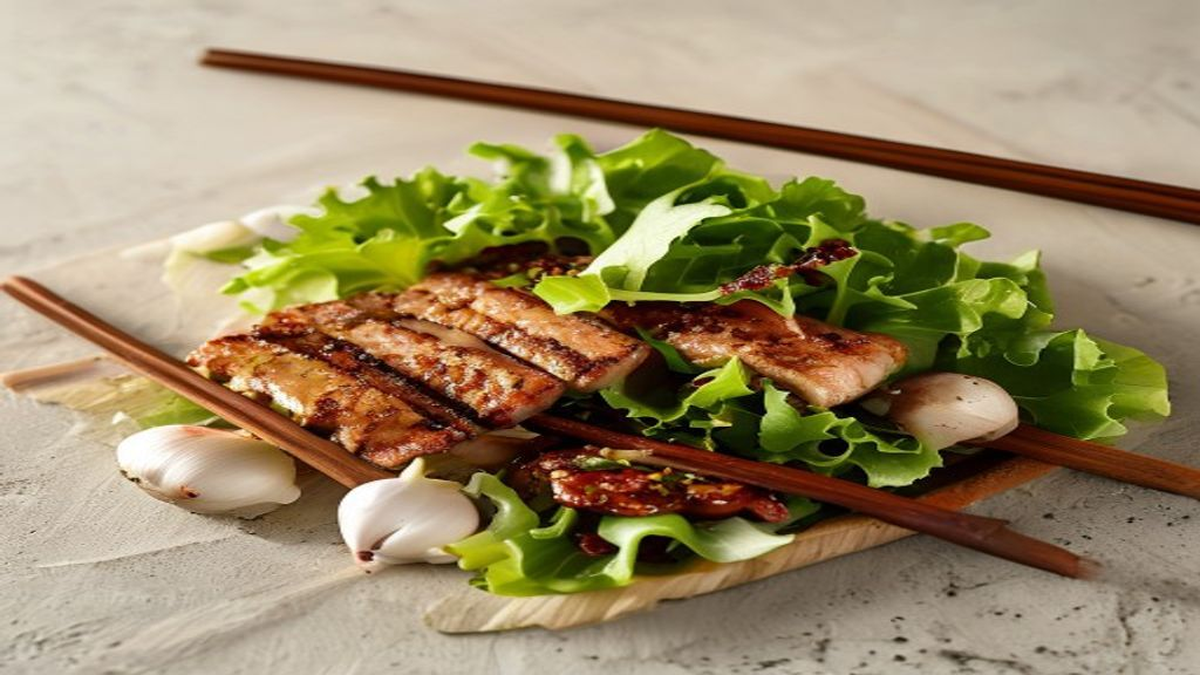
The Art of Ssam: More Than Just a Lettuce Wrap
If you walk into a neighborhood restaurant in Seoul during the spring months, you will notice a distinct shift in the table settings. Alongside the familiar metal bowls of rice and spicy stews, large wicker baskets laden with vibrant, dew-kissed greens begin to dominate the center of the table. You might see red leaf lettuce, dark green perilla leaves, or even more robust, bitter stems like dandelion or crown daisy. This is the season of ssam (wrapping).
While many international diners encounter ssam only as an accessory to Korean barbecue, the tradition is far older and more nuanced than a side of grilled meat. It is a way of eating that prioritizes the texture and flavor of fresh, seasonal vegetables, turning the act of dining into a tactile, interactive experience.
The Seasonal Rhythm of the Table
In Korean food culture, ssam is fundamentally a seasonal practice. While supermarkets make greens available year-round today, the traditional dining calendar links the intensity of ssam to the cycle of the soil. As the winter frost recedes, the earth offers up the first tender leaves, which are prized for their crispness and mild, earthy profiles.
A traditional ssam spread is not just about dumping a piece of protein into a leaf. It is a structured arrangement of flavors. You will typically find sangchu (lettuce), which offers a light, refreshing crunch, paired with kkaennip (perilla leaves), which have a distinct, minty, almost basil-like fragrance. In early spring, you might also find minari (water dropwort) or gomchi (fischer’s ragwort), which bring a slight bitterness that cuts through the saltiness of fermented sauces.
When you sit down to a ssam-heavy meal, the preparation is simple but intentional. The leaves are washed thoroughly and served in a way that allows each diner to customize their bite. The “sauce” is almost as important as the vegetable; ssamjang—a thick, savory paste made from a blend of fermented soybean paste (doenjang) and chili paste (gochujang)—serves as the anchor. It provides the necessary salt and complexity to balance the raw, garden-fresh quality of the greens.

The Architecture of the Wrap
To eat ssam is to engage in a bit of manual engineering. The goal is to create a bite-sized packet that is substantial enough to be flavorful but compact enough to fit entirely into one’s mouth. There is a common cultural lightheartedness about this: if your wrap is too large, it becomes a messy, awkward ordeal, which often leads to laughter around the table.
The process typically follows a standard sequence:
- The Base: Lay a leaf—or two, if you want a firmer structure—flat in your palm. Many experienced diners will stack a perilla leaf on top of a lettuce leaf for a contrast in both color and flavor.
- The Foundation: Place a small amount of rice in the center. In many households, this is a modest pinch, not a full spoonful.
- The Accent: Add your protein or main dish. This doesn’t have to be meat; it could be grilled fish, stir-fried mushrooms, or even a spoonful of savory banchan (side dishes).
- The Binder: Dab a small amount of ssamjang on top, or add a slice of raw garlic or a small green chili (gochu) for a sharp, clean heat.
- The Seal: Fold the edges of the leaf inward to create a neat, bite-sized bundle.
The “bite-sized” rule is not just about etiquette; it is functional. Because ssam is meant to be eaten in one go, the interplay of the warm, salty interior against the cool, crisp leaf is the intended sensation. If you try to bite a wrap in half, it tends to fall apart, which is why people are often encouraged to keep their proportions modest.
Ssam as a Gesture of Affection
Perhaps the most unique social element of the ssam tradition is the practice of passing a wrap to another person. While this is less common in formal business settings, it is a frequent sight at family meals or among close friends.
When a host or an elder prepares a particularly well-constructed ssam and offers it to a guest, it is a gesture of warmth and care. It essentially says, “I have combined these ingredients into the perfect bite for you.” There is a specific kind of trust involved here—it is an intimate act of sharing food that has been handled by someone else’s hands.
If you are on the receiving end of a ssam, it is polite to accept it gracefully. You don’t need to worry about the social pressure of having to reciprocate immediately, though it is common to see friends exchange these bites throughout a long dinner. It transforms the meal from a series of individual portions into a collective, shared experience.
Navigating the Table
If you find yourself in a Korean restaurant and aren’t sure where to start with the mountain of greens provided, here are a few things to keep in mind to help you navigate the situation naturally:
- Don’t overthink the combinations: While there are traditional pairings, most people simply choose the greens that look freshest to them. If you prefer a milder taste, stick to the lettuce. If you want a more herbal, aromatic experience, go for the perilla leaves.
- The “Double” approach: A common technique to prevent the leaves from tearing is to use two different types of leaves stacked together. The sturdier leaf acts as a support, while the more delicate one provides the flavor.
- Keep it clean: The table can get cluttered with various small plates of banchan. It is perfectly acceptable to build your ssam on your own small plate rather than holding it in the air, especially if you are concerned about bits of sauce falling.
- It’s not just for meat: If you order a set menu centered on fermented soybean stew or grilled vegetables, try using the greens as a wrap for those dishes instead. You will find that the greens are just as effective at highlighting the flavors of a salty stew as they are with barbecue.
Ultimately, ssam is a reminder of the value placed on raw, seasonal ingredients in the Korean diet. It takes a humble leaf and elevates it to a central component of the meal, demanding that the diner slow down and engage with their food. It is a quiet, rhythmic part of daily life—an essential skill for anyone looking to understand the mechanics of a Korean dinner table. Whether you are at a backyard barbecue or a simple neighborhood eatery, the act of wrapping, folding, and sharing remains one of the most grounded experiences you can have in Korea.