Korean Street Food: The Warmth of Roasted Goguma and Bam
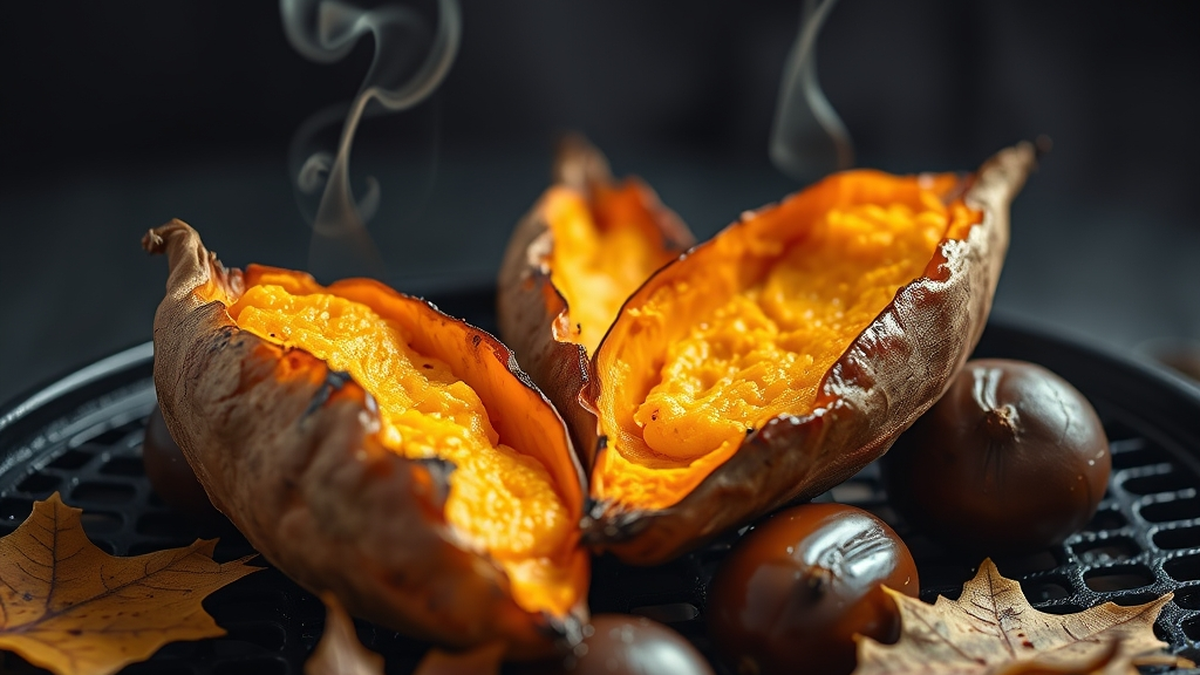
Sweet Potato and Chestnut Roasting: The Ultimate Korean Street Food of Chilly November
As the biting wind of November begins to sweep through the alleyways of Seoul and the quiet lanes of rural towns, the city landscape undergoes a subtle but unmistakable transformation. The transition is marked not by a calendar change, but by a scent: a thick, caramelized, earthy aroma that hangs in the air near subway exits and neighborhood intersections. It is the smell of Goguma (sweet potato) and Bam (chestnut) roasting inside tall, cylindrical metal drums.
For those navigating a Korean autumn, these snacks are the unofficial heralds of the colder months. When the temperature dips, the sight of a soot-stained metal barrel—often venting steam into the crisp evening air—signals that the season of comfort has arrived. This is not a gourmet affair or a curated culinary experience; it is the quintessential, rugged street food culture that defines the Korean approach to warming up when the mercury drops.
The Barrel and the Flame: The Art of the Roast
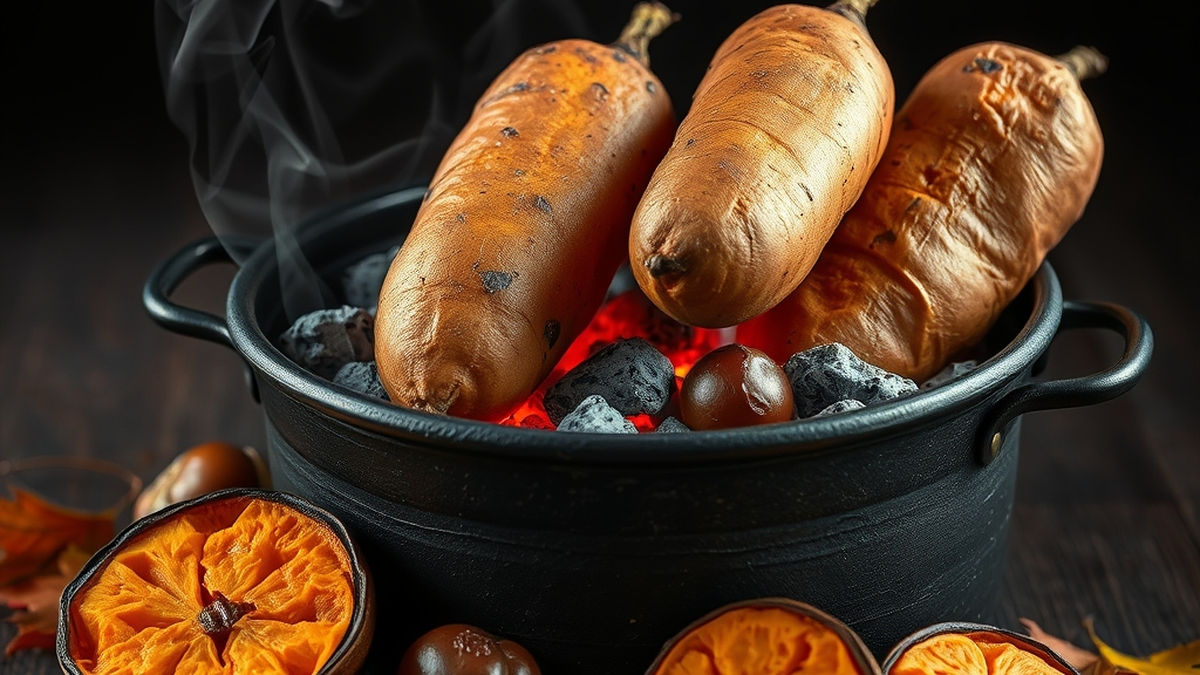
The machinery behind this tradition is as iconic as the food itself. You will often see a rusted, upright metal drum—essentially a modified oil barrel—standing on the sidewalk. Inside, a charcoal fire glows, providing a steady, intense heat that turns these simple tubers and nuts into something far more indulgent than their raw forms.
The Goguma used in these barrels are typically the yellow-fleshed variety, known for their dense, honey-like sweetness when roasted. Unlike the large, orange-fleshed yams common in other parts of the world, these Korean sweet potatoes have a firm, chestnut-like texture that softens into a creamy, almost custard-like consistency under the intense heat of the barrel.
The Bam, or chestnuts, are treated with equal care. A vendor will often slice a small cross into the shell of each chestnut before tossing it into the drum. This prevents the nut from bursting under the pressure of the heat and allows the interior to roast evenly. When you buy a bag of roasted chestnuts, the shells are already split, making them easy to pry open with your fingernails, revealing the golden, nutty morsel inside.
The roasting process is slow and requires constant attention. Vendors frequently rotate the iron grate inside the barrel to ensure an even char. This method imbues the food with a faint, smoky quality that you simply cannot replicate in a standard home oven. If you see a crowd gathering around a barrel, wait your turn—the best batch is always the one that has been sitting in the drum just long enough to caramelize the sugars on the surface of the skin.
A Social Ritual of the Street Corner
In Korea, street food is rarely consumed while walking briskly to a destination. Instead, it creates a momentary pause in the day. You will often see office workers, students, or elderly neighbors huddled around a vendor’s cart, shielding their faces from the wind while waiting for their paper bag of snacks.
There is a specific etiquette to this experience. When you purchase a bag of Goguma, it is common to receive it in a simple brown paper bag. The heat radiating from the bag is often the primary draw—it serves as a portable hand-warmer during the walk to the bus stop or the subway entrance. In many cases, people will hold the hot bag against their coat or in their pockets to keep their hands warm while they commute.
The setting is inherently informal. These vendors are rarely found in high-end shopping districts, but rather on the fringes of residential areas, near university campuses, or just outside the exits of major subway stations. It is a functional snack. When the wind is sharp and you have a fifteen-minute walk ahead of you, the combination of a hot snack and the warmth it provides is a practical necessity.
You might notice that vendors often provide a small, thin plastic glove or a piece of tissue to help you handle the hot skins. The skin of a roasted Goguma is meant to be peeled away, leaving the steaming, vibrant yellow interior exposed. Eating it on the street is a messy, unpretentious affair, but it is one of the most reliable ways to stave off the November chill.
The Seasonal Shift: From Harvest to Hearth
The availability of these snacks is strictly seasonal. You will rarely see these metal drums in the heat of summer or even the mild days of early autumn. They appear as if by magic when the first frost hits and disappear once the deep winter gives way to spring. This seasonality creates a sense of anticipation. By the time November arrives, there is a collective craving for the specific sweetness of a roasted Goguma.
In rural areas, this tradition is often an extension of the harvest season. Chestnuts, in particular, are a staple of the Korean autumn harvest. While urban street vendors source their supplies from wholesalers, the experience of eating them remains tethered to the idea of the harvest cycle. It is a way of consuming the season’s bounty in its most direct form: roasted over fire, consumed immediately, and shared with whoever happens to be standing by the barrel.
There is also a regional nuance to how these are enjoyed. While Goguma and Bam are universal across the country, the experience of buying them in a bustling metropolis like Seoul—where the contrast between the freezing wind and the glowing heat of the drum is stark—feels different than in a smaller, quieter town. In the city, the vendor’s cart is a beacon of warmth in a landscape of concrete and glass. In the countryside, it is a continuation of the slower, more deliberate pace of life that respects the seasonal changes of the earth.
Recognizing the Culture in Real Time
If you are visiting or living in Korea during late autumn, you will likely encounter these vendors without even looking for them. You will hear the sound of a metal scoop rattling against the side of the drum, or you will smell that distinct, sweet-charred aroma before you see the stall.
When you walk up to a vendor, you do not need to ask for a complicated menu. You simply point to the Goguma or the Bam. Most vendors have a set price for a bag, and they will fill it to the brim. If you want to blend in, remember that this is a snack meant to be shared or enjoyed on the go. There is no need for a table or a formal dining setting.
You might also notice the contrast in how these snacks are consumed compared to other Korean foods. Unlike a meal of Kimchi-jjigae (kimchi stew) or Samgyeopsal (grilled pork belly) that requires a table, chairs, and multiple side dishes, the roasted snack is a solitary or semi-social event. It is the food of the “in-between” moments—the time between leaving work and arriving home, or between classes on a cold afternoon.
Understanding this culture is less about learning a recipe and more about recognizing a rhythm. It is about acknowledging that in a country that is often associated with high-speed technology and rapid development, there is still a deep, enduring appreciation for the simplest, most primitive way of preparing food: fire, a metal drum, and the natural sweetness of the earth.
As the November evenings grow longer and the air loses its lingering warmth, the sight of a steam-venting barrel on a street corner becomes a reliable comfort. It is a reminder that no matter how cold the night, there is always a way to find a little bit of heat, one roasted sweet potato at a time. It is a modest, quiet tradition, but for those who live through the Korean autumn, it is the only way to properly welcome the winter.