Sik-hye: The Science and Tradition of Korea’s Rice Digestif
Sik-hye: The Sweet Rice Punch of the Harvest
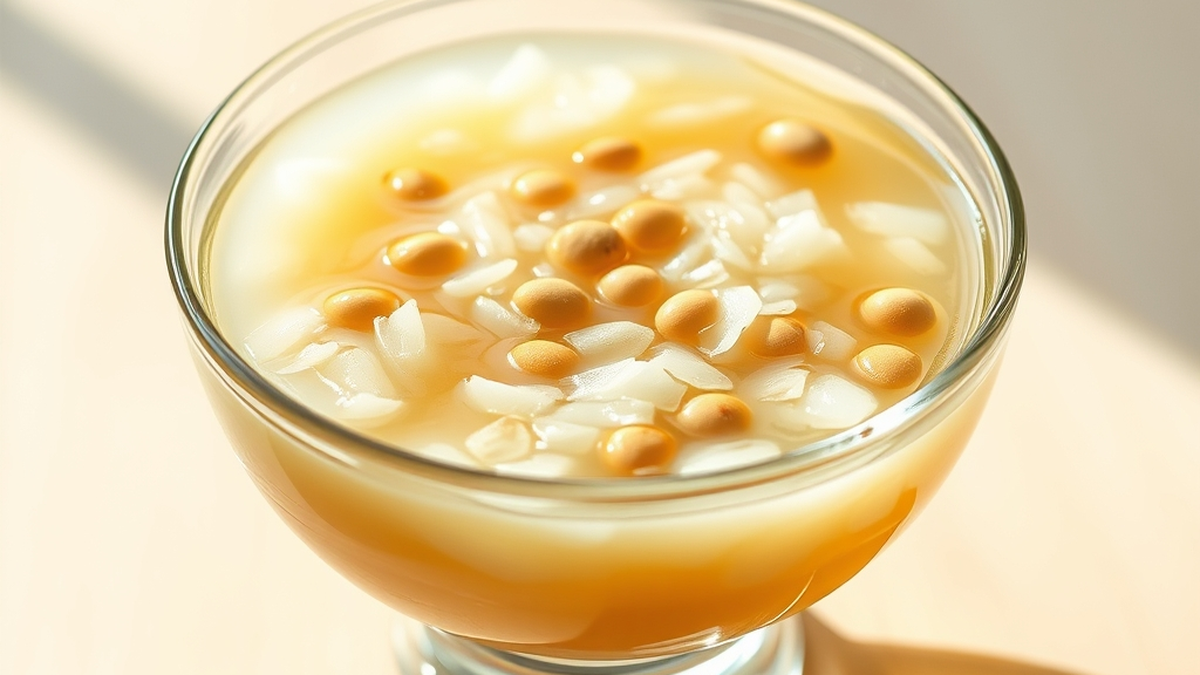
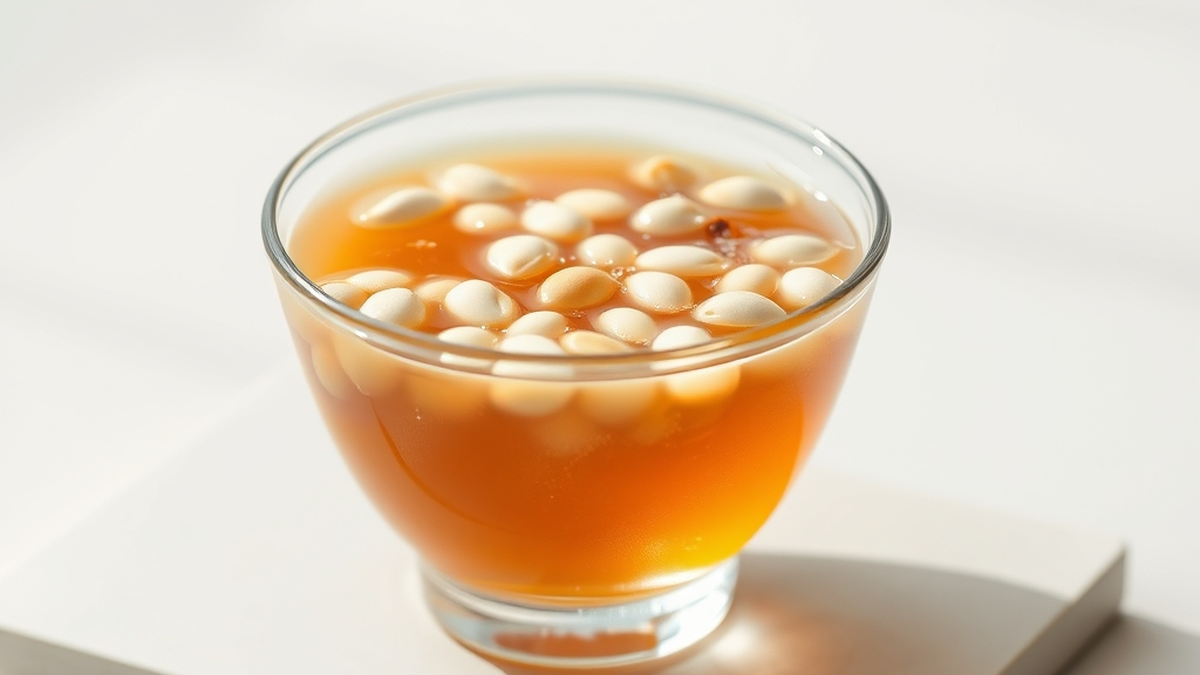
If you have ever been invited to a Korean home for a holiday meal or visited a traditional Korean sauna, you have likely encountered a clear, amber-colored liquid served in a chilled glass. At the bottom, a small cluster of soft, cooked rice grains rests like a soft sediment. This is Sik-hye (식혜), a traditional Korean beverage that is as central to the experience of a holiday feast as the turkey is to a Thanksgiving dinner in the West.
While it is often categorized as a “punch,” Sik-hye defies easy Western classification. It is not an alcohol, nor is it a simple fruit juice or tea. It is a malted rice drink that sits in its own category, defined by a delicate, mellow sweetness that bridges the gap between a snack and a palate cleanser. As the Chuseok (Korean Harvest Festival) season approaches, Sik-hye becomes the essential conclusion to the heavy, oil-rich meals that define the holiday table.
The Chemistry of Sweetness: Understanding the Malt
To understand Sik-hye, you have to look at the process, which is rooted in the science of fermentation. The drink begins with yeot-gireum (엿기름), or malted barley powder. This powder is the engine of the entire process.
When the barley is soaked in water and then added to steamed rice, the enzymes in the malt act upon the starches in the rice. Through a slow period of keeping the mixture at a warm temperature—traditionally in a heated ondol (floor heating) room or a modern rice cooker on the “keep warm” setting—these enzymes break the complex starches down into simple sugars.
This is why Sik-hye is never cloyingly sweet like a soft drink or a juice. Its sugar content is derived entirely from the grain itself. Unlike modern beverages that rely on refined cane sugar or high-fructose corn syrup, the sweetness of Sik-hye is nuanced and floral, derived from the natural conversion of rice starch.
Because the process relies on malted barley, it is sometimes confused by outsiders with Makgeolli (막걸리), the milky, fermented rice wine. The distinction is critical: Sik-hye is a non-alcoholic beverage. While Makgeolli is subjected to yeast fermentation to create alcohol, Sik-hye is stopped before that stage occurs. It is purely an enzyme-driven sweetening process. If you serve Sik-hye to a child, you are offering a traditional dessert drink, not an intoxicant.
The Post-Meal Ritual: Why It Appears at the Table
In the context of a Korean holiday feast—often characterized by jeon (savory pancakes fried in oil), galbi-jjim (braised short ribs), and various heavy, savory side dishes—the palate can quickly become overwhelmed by salt and oil.
Sik-hye acts as a natural post-meal digestif. Because it is light and contains mild, non-carbonated sugars, it serves to cleanse the mouth. In many Korean households, a host will bring out a large pitcher of chilled Sik-hye after the guests have finished their meal. It is served in small, glass bowls or clear cups, often with a few pine nuts (jat) floating on the surface to add a slight earthy, nutty contrast to the sweetness of the malt.
You will see this transition happen naturally: the savory plates are cleared away, the table is wiped, and the glasses are filled. It is not a drink you sip throughout the meal; it is a signal that the heavy eating is over and the socializing period has begun. Because it is served ice-cold, it is particularly refreshing in the late summer and early autumn heat that usually accompanies the Chuseok harvest season.
Recognition in the Wild: From Saunas to Supermarkets
Once you know what to look for, you will start seeing Sik-hye in environments where you might not expect a traditional drink.
The most iconic location outside of a home kitchen is the jjimjilbang (Korean sauna/bathhouse). In the sweltering heat of the sauna rooms, people are often seen holding a large plastic cup of Sik-hye with a straw. The logic is simple: the sauna causes significant fluid loss, and the natural, malted sweetness of the drink provides a quick, cooling hit of energy without the aggressive spike of a modern energy drink. If you are ever at a jjimjilbang and want to blend into the local routine, ordering a Sik-hye from the snack bar is the classic move.
You will also find it in the beverage aisles of any major Korean grocery store. It is sold in canned and bottled forms. While these industrial versions are often slightly sweeter to cater to mass-market tastes, they retain the signature rice grains at the bottom.
If you are buying it, look for the sediment. If the liquid is perfectly clear without any rice particles, it is likely a mass-produced version that may lack the texture of the traditional drink. A proper Sik-hye should have those soft, cooked rice grains settled at the bottom of the container. If you find yourself holding a can, give it a gentle shake before opening to ensure you get a few grains with every sip.
Serving and Etiquette: A Modest Conclusion
If you are ever tasked with serving Sik-hye to guests, the presentation is quite straightforward. It is meant to be served chilled, ideally after the main course has been removed. There is no elaborate ceremony involving complicated pouring techniques; simply ensure the glasses are clean and that each guest gets a fair share of the rice grains.
Adding a few pine nuts is the standard way to dress it up for a more formal or holiday setting, but the drink is perfectly acceptable on its own. It is a beverage defined by its utility and its modesty. It doesn’t claim to be a health elixir or a luxury item; it is simply a cooling, sweet, and effective way to round out a long, heavy meal.
The next time you see that amber liquid with the soft grains at the bottom of a glass, you will recognize it not as a mystery, but as the quiet, reliable staple of the Korean table. It is the taste of a harvested field, the product of a patient, quiet fermentation, and the perfect cool finish to a warm, shared meal.