Shaman Mythology: The Soul of Korea
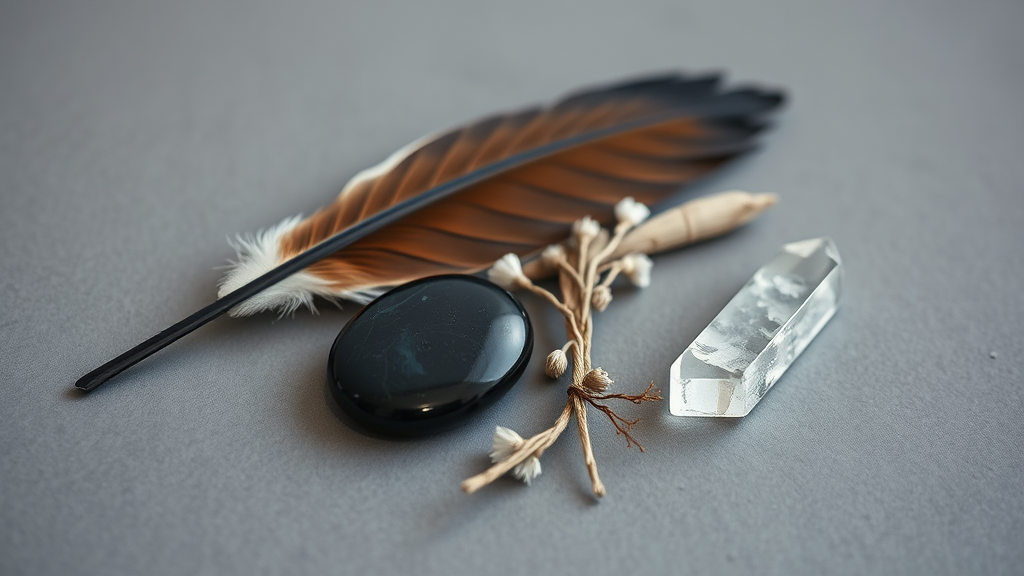
Hey K-VIBE fam! Have you ever wondered about the ancient, mystical heart of Korea, beating strongly beneath the modern cityscape? Today, we’re diving deep into the fascinating world of Korean Shaman Mythology (한국 무속신앙 신화), a vibrant spiritual tradition that has shaped the Korean psyche for millennia. Far from being a relic of the past, this unique belief system continues to influence everything from our daily superstitions to our contemporary art, offering a window into the soul of a nation.
Prepare to journey into a realm where gods walk among us, spirits linger in every corner, and dedicated shamans bridge the gap between the visible and invisible worlds. This isn’t just a dry history lesson; it’s an exploration of Korea’s living, breathing spiritual tapestry.
The Grand Pantheon: Gods, Spirits, and Ancestors in Korean Shaman Mythology
At the core of Korean Shaman Mythology, also known as Muism (무속신앙), is a remarkably diverse and dynamic pantheon. Unlike monotheistic religions, Korean shamanism embraces a multitude of gods, goddesses, and spirits, each with their own domain and influence. This isn’t a static hierarchy but a fluid community of divine beings who interact constantly with humans, demanding respect, offerings, and sometimes, appeasement.
The Heavenly Realm: From Hanulnim to the Sanshin
High above, ruling the celestial sphere, is the ultimate divine being: Hanulnim (하늘님), the Heavenly Lord. While not always directly worshipped in daily rituals, Hanulnim represents the supreme cosmic order and the source of all blessings and misfortunes. Think of Hanulnim as the overarching principle, the sky itself, vast and all-encompassing.
Closer to earth, and perhaps more directly involved in human affairs, are the powerful nature spirits. Among them, the Sanshin (산신), or Mountain Spirit, holds a particularly revered position. Korea is a mountainous country, and traditionally, mountains were seen as sacred spaces, homes to ancient spirits who could grant fertility, wealth, and protection – or wreak havoc if displeased. You’ll often find small shrines, or even dedicated Sanshin-gak (산신각), within Buddhist temples, demonstrating the seamless integration of beliefs. People would visit these shrines to pray for health, safe journeys, or success in their endeavors. The Sanshin is often depicted as an old man accompanied by a tiger, a powerful symbol in Korean culture.
Beyond the mountains, countless other nature spirits inhabit the Korean landscape: spirits of ancient trees, mighty rivers, the vast sea, and even unique rocks or unusually shaped stones. These beings represent the animistic roots of Korean Shaman Mythology, where every element of nature possesses a spirit and a consciousness.
Guardians of Hearth and Home: Village and House Deities
But the divine isn’t just found in grand natural landscapes; it resides in the most intimate spaces of our lives – our homes and villages. Korean Shaman Mythology provides a rich tapestry of guardian spirits who protect families and communities.
Inside the home, a myriad of deities ensure daily well-being. The Seongju (성주) is the House God, the most important guardian of the dwelling, presiding over the main beam of the house and ensuring the family’s overall prosperity. The Jowangshin (조왕신), the Kitchen God, resides by the hearth and is responsible for fire, food, and family harmony. Offerings were traditionally made to Jowangshin to ensure warmth, health, and sufficient provisions. Then there’s the Eopshin (업신), the God of Wealth and Storage, often associated with serpents or weasels, ensuring bountiful harvests and financial stability. The Jeseoksin (제석신), a deity often linked with fertility and fortune (and showing clear Buddhist influences, which we’ll discuss later!), might be found overseeing the family’s prosperity and lineage.
Beyond the individual household, the entire village is protected by its own set of guardians. You might have seen Jangseung (장승) – tall, carved wooden or stone poles resembling totem poles with grotesque, smiling, or fierce faces – standing at the entrance to villages. Often paired with Sotdae (솟대) – tall poles topped with carved birds – these guardians mark the village boundaries, ward off evil spirits, and pray for good harvests and protection from misfortune. They are powerful symbols of community solidarity and the collective desire for peace and prosperity within the local sphere of Korean Shaman Mythology.
Ancestors and the Realm Beyond: Honoring the Departed
One of the most profoundly important aspects of Korean Shaman Mythology is the reverence for ancestors, known as Josangsin (조상신). Unlike some cultures where the dead are simply gone, in Korea, ancestors remain an active part of the family unit, residing in the spirit world but maintaining a strong connection to their living descendants.
It is believed that ancestors, if properly honored and remembered, can bestow blessings, protection, and good fortune upon their families. However, neglected or unhappy ancestors can cause illness, bad luck, or even tragedy. This belief underpins the elaborate ancestral rites (jesa) that are still widely practiced in Korea today, blurring the lines between Confucian tradition and shamanic belief. These rites are not merely acts of remembrance; they are sincere attempts to communicate with and appease the Josangsin, ensuring their peace and continued benevolence. This focus on ancestral reverence highlights the cyclical nature of life and death within Korean Shaman Mythology, where the past continually influences the present and future.
A Spiritual Melting Pot: Shamanism’s Syncretic Soul
What makes Korean Shaman Mythology truly unique is its incredible ability to absorb and integrate elements from other major religions without losing its core identity. Over centuries, Buddhism, Taoism, and indigenous folk beliefs have interwoven, creating a rich, multi-layered spiritual landscape that is distinctly Korean. This syncretic nature is a testament to the resilience and adaptability of Muism.
Buddhism’s Embrace: Shared Deities and Rituals
Buddhism arrived in Korea over 1,700 years ago, and rather than completely supplanting indigenous shamanism, it often found ways to coexist and even merge. Many Buddhist temples, especially those nestled in mountains, contain dedicated shrines to the Sanshin (산신각), acknowledging the pre-existing mountain spirits. You might also find images of Dokseong (독성), the Solitary Saint, or Chilseong (칠성), the Big Dipper constellation deities, in temple compounds – figures deeply rooted in Korean folk belief and Taoism, not canonical Buddhism.
The Jeseoksin (제석신) deity mentioned earlier is a prime example of this fusion. While revered in shamanic rituals for fertility and fortune, Jeseoksin is often conflated with Indra (帝釋天 - Jeseokcheon in Korean Buddhism), a powerful guardian deity in the Buddhist pantheon. This blurring of lines allowed both faiths to flourish, appealing to different aspects of people’s spiritual needs. Shamans (무당) might incorporate Buddhist mantras or iconography into their gut (굿) rituals, further illustrating this harmonious blend. The concept of karma and reincarnation, central to Buddhism, also found its way into some shamanic understandings of fate and destiny.
Taoist Influences: Immortality and Elemental Harmony
Taoism, with its emphasis on harmony with nature, longevity, and the pursuit of immortality, also left an indelible mark on Korean Shaman Mythology. Concepts like the Five Elements (Ohaeng - 오행) – wood, fire, earth, metal, water – and their cyclical interactions are often found in shamanic divination and ritual planning, influencing auspicious dates and directions.
The Taoist quest for immortality and spiritual purity resonated with the shamanic desire for long life, health, and a harmonious existence. Figures like the Mountain Spirit often carry attributes that hint at Taoist immortals, and the use of talismans and symbolic colors in shamanic practice can be traced to Taoist influences. The idea of balancing yin and yang, critical to Taoist philosophy, also permeates shamanic understanding of health and cosmic equilibrium. Korean Shaman Mythology, therefore, drew upon these external philosophies to enrich its own deep understanding of the cosmos.
Indigenous Roots: The Bedrock of Folk Beliefs
Despite these powerful external influences, the heart of Korean Shaman Mythology remains rooted in ancient indigenous folk beliefs. Before the arrival of Buddhism or Taoism, early Koreans practiced animism – the belief that all natural objects, phenomena, and the universe itself possess a spirit or soul. This is evident in the reverence for trees, rocks, rivers, and mountains as living entities with powers and personalities.
Totemism, where a community identifies with a particular animal ancestor (like the bear in the foundational Dangun myth of Korea), also plays a role. Local guardian spirits, often known as Dangsan Halmeoni (당산 할머니) or Dangsan Harabeoji (당산 할아버지) – Village Grandmother or Grandfather – exemplify the deep connection people felt to their specific localities. These local deities protected specific villages, and their worship solidified community identity and interdependence. This bedrock of indigenous faith is what gives Korean Shaman Mythology its distinct flavor and enduring power, making it a unique cultural phenomenon that continues to resonate today.
The Shaman’s Path: Mudang and the Power of Gut
At the very heart of Korean Shaman Mythology are the mudang (무당), the shamans who serve as intermediaries between humans and the spirit world. These remarkable individuals are not merely religious figures; they are healers, counselors, diviners, and performers, embodying the dynamic energy of Korean spiritual life. Their primary tool for interacting with the divine is the gut (굿) – a ritual performance that is as much a spiritual ceremony as it is a vibrant cultural spectacle.
The Mudang (무당): Intermediaries Between Worlds
Becoming a mudang is rarely a matter of choice; it’s typically a divine calling. Many mudang experience what is known as shinbyeong (신병) – a “spirit sickness.” This intense spiritual and physical illness, often characterized by anxiety, unexplained pains, insomnia, and hallucinations, can only be cured by accepting the calling to become a shaman and undergoing an initiation ritual. This profound experience transforms an ordinary person into a vessel for the spirits.
There are primarily two types of mudang:
- Gangshinmu (강신무): These are “possessed shamans” who gain their spiritual powers through direct divine possession. They receive spirits during their initiation, allowing them to channel divine messages and perform healing. This is the more common type in central and northern Korea.
- Seseupmu (세습무): These are “hereditary shamans” whose spiritual role is passed down through family lines. While they do not experience direct possession, they perform rituals based on inherited knowledge and traditions, particularly prevalent in the southern regions.
Regardless of their type, mudang are vital figures. They are distinguished by their colorful traditional attire, often adorned with mirrors, bells, and fans. During a gut, they use a variety of instruments, including drums (janggu - 장구), gongs (kkwaenggwari - 꽹과리), and flutes, to induce trance states and communicate with the spirits. They serve as psychopomps, guiding the dead, and as spiritual doctors, diagnosing the root cause of illnesses (often attributed to displeased spirits or ancestral grievances) and prescribing spiritual remedies. Their unique role is central to the practice of Korean Shaman Mythology.
The Gut (굿): A Dynamic Spectacle of Healing and Blessing
The gut (굿) is the most iconic ritual in Korean Shaman Mythology – a multifaceted ceremony that is lively, dramatic, and deeply spiritual. Far from a solemn, quiet affair, a gut is an energetic performance involving music, dance, chanting, and dramatic storytelling, often lasting for hours or even days.
The purposes of a gut are diverse and pragmatic:
- Healing: To cure illnesses, both physical and mental, by appeasing malevolent spirits or retrieving lost souls.
- Protection: To ward off evil spirits, bad luck, and misfortune from individuals, families, or entire villages.
- Prosperity: To pray for good harvests, financial success, safe journeys, or fertility.
- Guidance for the Dead: To guide the spirits of the deceased safely to the afterlife, resolve any lingering grievances, and ensure their peaceful transition. The Jinjinogui (진진오귀) is a famous type of gut performed specifically for the dead.
- Village Rites: To ensure the well-being of an entire community, such as the Dorimgo (도림굿), a significant village protection rite.
A gut is typically structured into several distinct parts, each dedicated to a different deity or spirit, and performed with specific costumes, music, and offerings. The mudang performs spirited dances, channels messages from the spirits (often in ancient, poetic language), and sings muga (무가) – shamanic songs that narrate myths, legends, and the stories of the gods. The drumming and gong playing are intense and rhythmic, creating an immersive atmosphere that draws participants into the spiritual realm. The emotional intensity of a gut can be profoundly moving, offering a cathartic experience for both the performers and the audience, making it a powerful expression of Korean Shaman Mythology.
Shamanism in Modern Korea: A Living Tradition
Despite rapid modernization, urbanization, and the rise of other religions, Korean Shaman Mythology has shown remarkable resilience. While its visible presence might be less ubiquitous than in past centuries, it continues to thrive, adapting to the contemporary landscape.
In modern Korea, mudang often serve as spiritual counselors, offering psychological comfort and guidance to individuals struggling with life’s challenges. They provide a unique service that conventional medicine or modern psychotherapy might not address – connecting personal struggles to spiritual causes and offering culturally familiar solutions. They might be sought out for business advice, family problems, or even political matters.
Furthermore, shamanism is increasingly recognized as an important part of Korea’s intangible cultural heritage. The music, dance, and storytelling traditions embedded in gut rituals are being preserved and celebrated through cultural performances, academic research, and even integration into contemporary art and film. You might see elements of gut aesthetics in K-dramas, movies, or art installations, demonstrating its enduring impact on Korean creativity. The belief in Korean Shaman Mythology, while sometimes practiced discreetly, remains a vibrant thread in the fabric of Korean society, reminding us that ancient traditions can indeed coexist with a cutting-edge modern identity.
Conclusion: The Enduring Heartbeat of Korea’s Shaman Mythology
From the majestic peaks guarded by the Sanshin (산신) to the bustling kitchens watched over by Jowangshin (조왕신), Korean Shaman Mythology offers a rich, dynamic, and incredibly human spiritual landscape. It’s a world where the divine is not distant but intimately woven into the everyday, where ancestors remain cherished family members, and where dedicated mudang (무당) continue to bridge the gap between worlds through the powerful spectacle of the gut (굿).
This unique belief system, shaped by centuries of interaction with Buddhism, Taoism, and the deep roots of indigenous folk belief, is more than just ancient history. It’s a living, breathing testament to the Korean people’s enduring connection to nature, community, and the unseen forces that guide our lives. The resilience of Korean Shaman Mythology in the face of modernity is truly remarkable, reflecting a profound spiritual depth that continues to inform and enrich Korean culture.
So, the next time you’re exploring Korea, look a little closer. You might just catch a glimpse of a jangseung (장승) standing sentinel, hear the distant beat of a janggu (장구), or feel the ancient whispers of the spirits in a quiet mountain grove. Understanding Korean Shaman Mythology isn’t just about learning about the past; it’s about gaining a deeper appreciation for the unique soul and spiritual heartbeat of Korea today.
What aspects of Korean Shaman Mythology fascinate you the most? Have you ever witnessed a gut or seen a Jangseung? Share your thoughts in the comments below! Let’s keep exploring the incredible cultural richness of Korea together!