Sanshin: Understanding Mountain Spirit Shrines in Korea
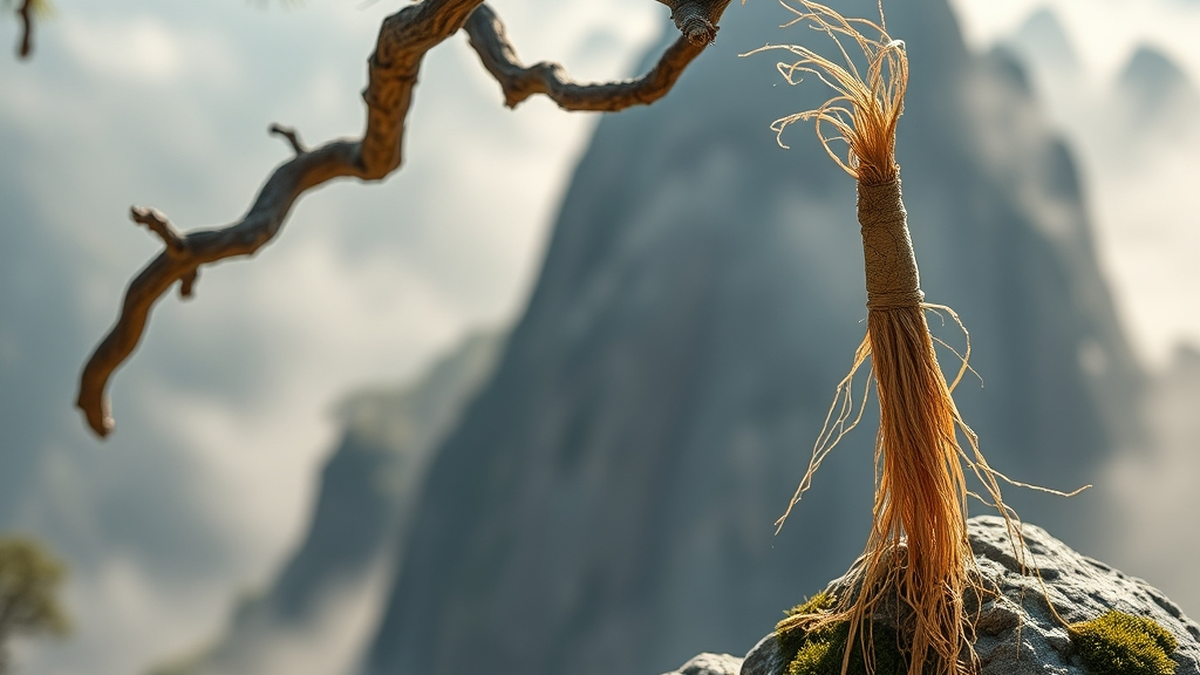
Sanshin: The Mountain Spirit Protectors
If you have spent any time hiking in Korea, you have likely encountered them. You might be deep into a trail on a weekend morning, weaving through granite boulders and dense pine forests, when you stumble upon a small, quiet stone structure tucked into a crevice or standing under the shade of an ancient tree. It is usually a humble, single-room building, often painted in muted reds and greens, sitting slightly apart from the main temple complex. Inside, if you peer through the screen door, you will not find the grand, gilded statues of the Buddha. Instead, you will see a painting of an elderly man with a long white beard, often accompanied by a majestic, sometimes comical-looking tiger.
This is the home of the Sanshin (산신), or the Mountain Spirit.
For the international traveler in Korea, these figures can be puzzling. They do not fit neatly into the typical categories of organized religion, nor are they merely aesthetic decorations. They are remnants of a deep-seated, indigenous form of nature worship that predates the arrival of Buddhism, Taoism, and Confucianism. Understanding the Sanshin is key to understanding the Korean landscape itself, as these figures serve as the mythological bridge between the wild, untamed peaks and the human settlements nestled in the valleys below.
The Architecture of the Peaks
To understand the role of the Sanshin, one must first appreciate the geography of the Korean Peninsula. Korea is roughly seventy percent mountainous. Because of this, life in Korea has historically been lived in the shadow of the mountains. The peaks were not just beautiful backdrops for scenery; they were the source of water, the providers of wood and herbs, and the protectors against the harsh winds of winter.
In the folk tradition, it was believed that every significant mountain had a spirit who acted as its guardian. These spirits were not viewed as unreachable deities in the sky, but as local administrators of the land. Because the mountains were alive with this presence, the people built shrines—known as Sanshingak (산신각)—to appease and honor them.
When you are hiking, you can often spot these shrines by their location. They are rarely built at the base of a mountain near the city streets. Instead, they are strategically placed at high altitudes, often near a mountain ridge or a hidden spring. If you find a small, isolated structure that sits higher than the main temple buildings, you are almost certainly looking at a Sanshingak. The placement is intentional: the spirit resides at the peak, watching over the terrain. By building the shrine at a higher elevation, the faithful were physically moving closer to the spirit’s domain.
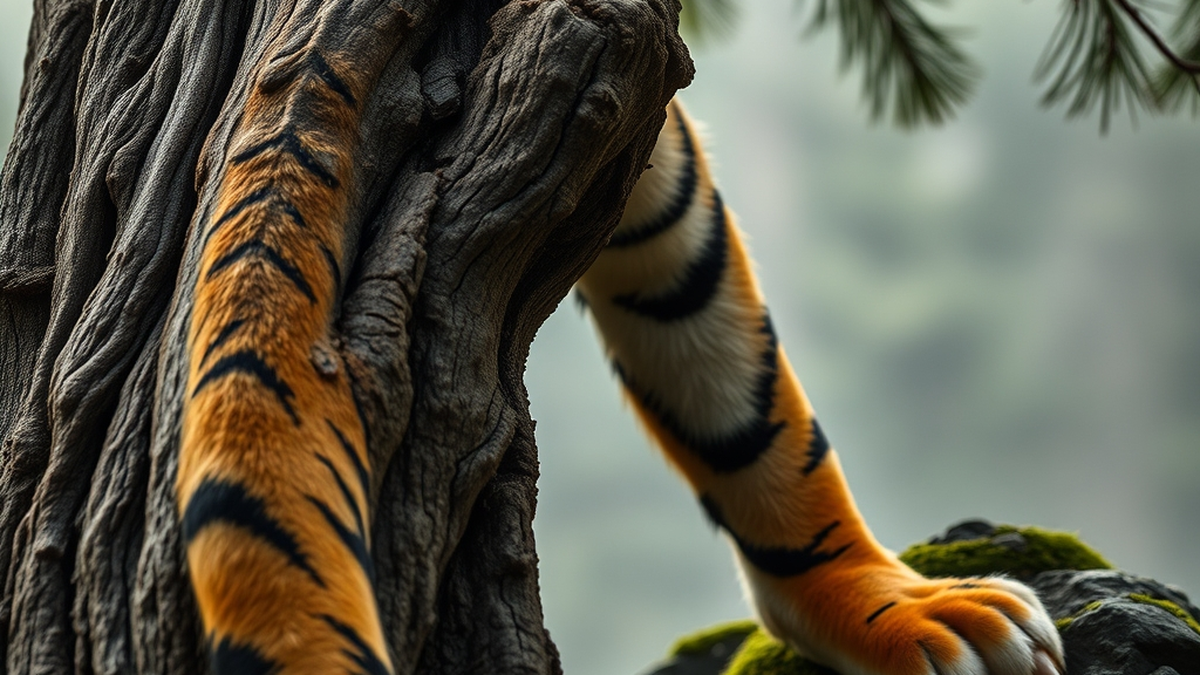
Reading the Imagery: Men and Tigers
The iconography of the Sanshin is highly standardized, which makes it easy to identify once you know what to look for. The central figure is invariably an elderly man. In Korean folklore, age is synonymous with wisdom and proximity to the spirit world. This figure is depicted as a kindly, grandfatherly presence—a far cry from the terrifying, wrathful gods often found in other mythologies. He is the “Mountain Grandfather,” a steward of the woods.
The most iconic companion of the Sanshin is the tiger. In Korean mythology, the tiger is the messenger of the mountain spirit. It is not uncommon for visitors to find the tiger paintings to be slightly whimsical or stylized, with wide, human-like eyes and a playful stance. This is because, in the local imagination, the tiger represents the raw, unpredictable power of the mountain, while the Sanshin represents the intelligence that tempers that power.
You might also notice the Sanshin holding a fan or sitting under a pine tree. The pine tree is a symbol of longevity and endurance in the harsh climate of the peninsula, and the fan is a traditional tool for cooling, suggesting the spirit’s command over the shifting winds of the mountain. If you look closely at these paintings, you will notice they lack the rigid, somber aesthetic of formal religious portraiture. There is a sense of groundedness—the Sanshin is a local personality, a neighbor to the mountain itself.
The Role of the Spirit in Daily Life
The Sanshin are not worshiped because they are thought to be all-powerful creators. Rather, they are regarded as local protectors who hold sway over the immediate environment. Historically, if a village was suffering from a drought, the people might perform a ritual to the Sanshin of the neighboring mountain to ask for rain. If someone went missing in the woods or if a hunter needed protection from the perils of the terrain, they would offer a silent prayer to the local spirit.
This relationship is essentially transactional and respectful. It is a acknowledgement that humans are guests in the mountain’s house. This is why you will often see small piles of stones, known as seonangdang (서낭당), near paths and mountain passes. These are humble shrines where travelers place a stone to ensure safe passage. It is a way of saying, “I am passing through, and I acknowledge your territory.”
For the modern hiker, this manifests in the quiet atmosphere surrounding these shrines. Even on a busy hiking day, when the trails are crowded with people in professional-grade outdoor gear, the area around a Sanshingak usually remains quiet. People may stop to bow briefly, offer a coin, or simply pause for a moment of silence. It is not a heavy, dramatic ritual; it is a routine acknowledgment of the mountain’s presence. It is a way of slowing down to match the pace of the landscape.
Misconceptions and Modern Context
A common mistake for visitors is to categorize the Sanshin as “gods” in the way the word is used in Western theology. If you ask a local, they might use the term “spirit” or “grandfather,” but they would rarely describe them as omnipotent deities. They are closer to a personification of the mountain’s own character.
Another misconception is that these shrines are “abandoned” or “forgotten” simply because they look small or weathered. In truth, the aging appearance of a shrine is often a sign of respect for the natural passage of time. A freshly painted, bright new structure might seem out of place in an ancient forest. The weathered wood and the moss-covered stone walls are part of the aesthetic; they suggest that the spirit has been there for centuries, indifferent to the brief lifetimes of the humans who visit.
You will also find that these shrines are not exclusive to one religion. Because the belief in the Sanshin is so deeply ingrained in the Korean psyche, they have been incorporated into the grounds of Buddhist temples throughout the country. It is a unique aspect of Korean religious history: the local folk spirits were not replaced by imported belief systems; they were given a seat at the table. When you see a temple with a small shrine off to the side, it is a testament to the idea that no matter how much the culture has evolved, the connection to the mountain—and the spirit that guards it—remains at the core.
When you are out on the trail this season, take a moment to look for these markers. If you see a small stone building, listen for the sound of the wind through the pines or the creak of a wooden door. You don’t need to be a scholar of mythology to appreciate the intent behind these spaces. They are simple, enduring reminders that the mountains in Korea have always been seen as more than just physical space; they are homes to a long-standing, quiet presence that has watched over the landscape for generations.
The next time you find yourself standing before a painted portrait of the grandfather and his tiger, you are seeing a piece of Korea that has remained largely unchanged by the pace of the world outside the treeline. It is just another part of the hike—a brief, respectful nod to the owner of the house.