Sanshin: Understanding Korea’s Sacred Mountain Spirits
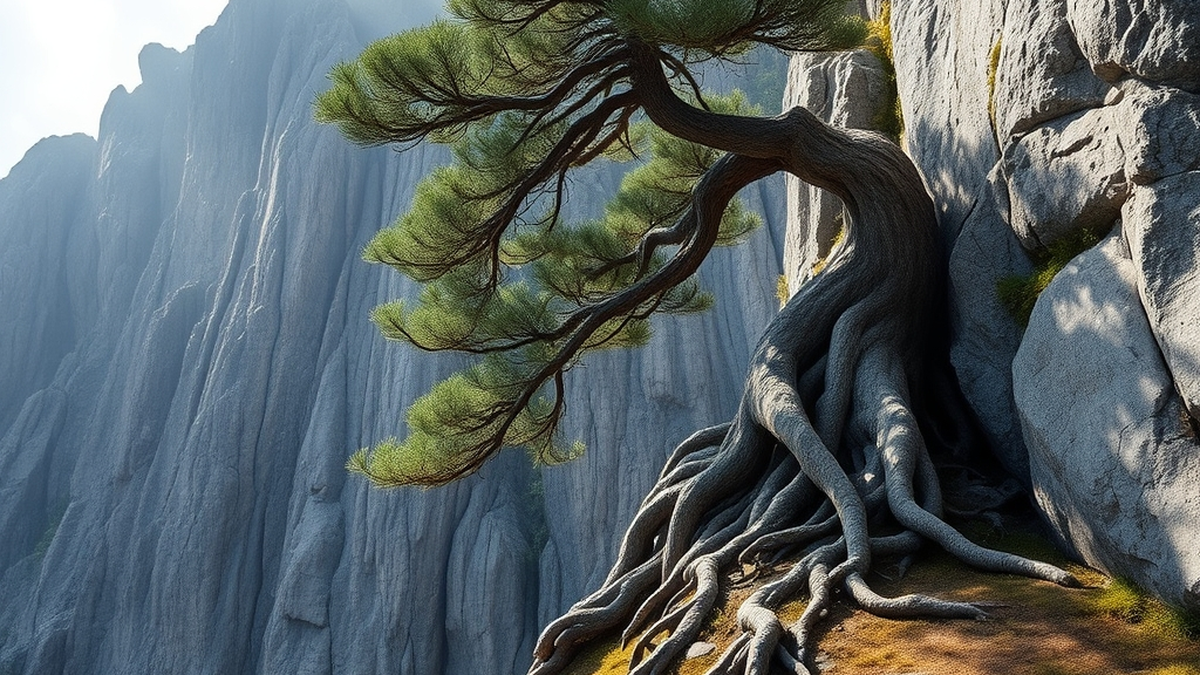
Sanshin: The Mountain Spirit in the Korean Landscape
If you spend any time hiking in Korea—whether you are trekking the granite slopes of Bukhansan in Seoul or wandering the forested paths of Seoraksan—you will eventually find yourself at a Buddhist temple. If you walk past the main hall, usually dedicated to the Buddha, and follow a narrow path slightly higher up the mountainside, you will inevitably stumble upon a small, quiet structure.
This is the Sanshin-gak (Mountain Spirit Shrine). Inside, you will find a painting of an elderly man with a long white beard, often accompanied by a tiger. He looks less like an enlightened deity and more like a grandfather who has lived on that specific peak for centuries. This is Sanshin (the Mountain Spirit), and his presence is the key to understanding how Koreans view the natural world.
The Mountain as a Living Entity
To understand Sanshin, one must first understand the Korean landscape. Korea is a mountainous peninsula, with roughly 70 percent of its landmass covered by craggy, steep terrain. Historically, these mountains were not just scenery; they were viewed as formidable, living entities that dictated the success of a village. A mountain could provide clean water and fuel, or it could unleash landslides and withhold rain.
In this context, the mountain became a guardian. The belief in Sanshin predates the formal arrival of Buddhism in Korea. It is a form of indigenous folk belief rooted in the reality that humans are mere guests in the domain of the mountain. Before a temple was ever built on a site, the mountain was already there, “presided over” by a spirit. When Buddhism arrived on the peninsula, it did not replace these local beliefs; instead, it practiced a unique form of cultural accommodation.
When you enter a temple, you are essentially entering a partnership. The Sanshin-gak acknowledges the original landlord of the peak. By enshrining the Mountain Spirit on the temple grounds, the monks show respect for the environment and the ancient spirits of the land. This is why you will see the shrine tucked into the highest point of a temple complex—it is a physical acknowledgment that the mountain itself is the foundation of the sanctuary.
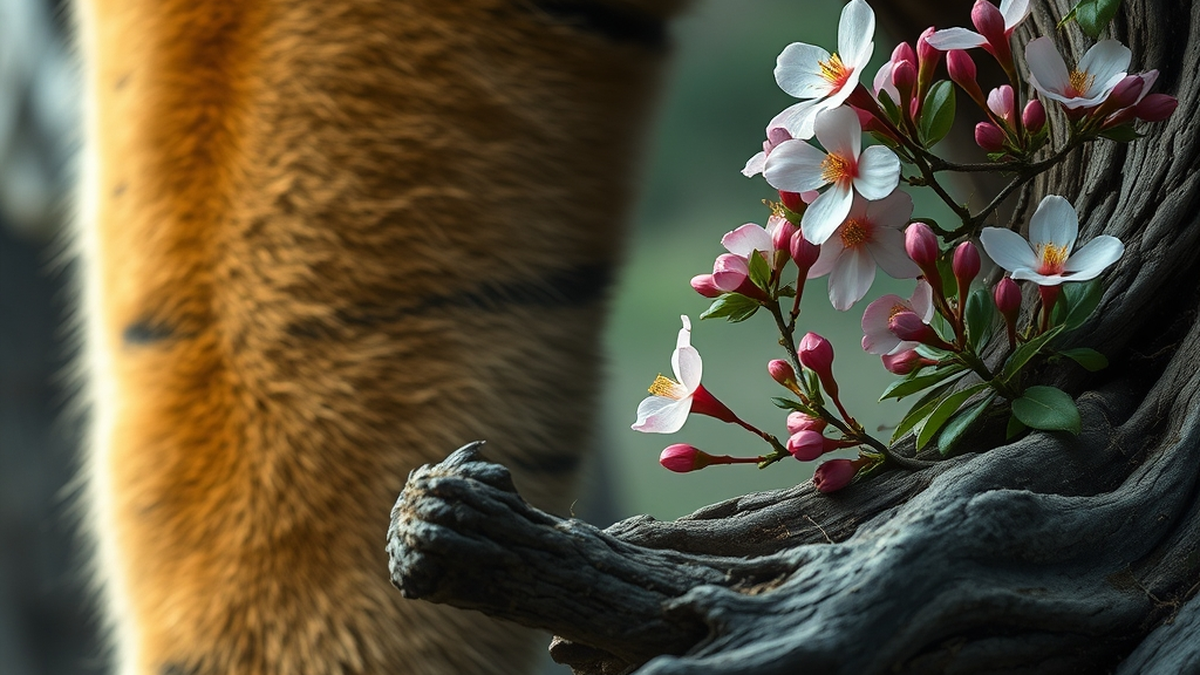
Recognizing the Symbols: The Tiger and the Elder
If you start looking for Sanshin on your weekend hikes, you will notice a consistent visual language. Sanshin is rarely depicted alone. He is almost always accompanied by a tiger.
In Korean folklore, the tiger is a powerful, protective, and sometimes mischievous figure. In paintings, the tiger is often depicted with a human-like, slightly humorous expression, sitting faithfully beside the old man. Sometimes the tiger is even seen carrying the spirit on its back. This pairing is deliberate: Sanshin represents the spirit of the mountain, while the tiger represents the raw power and untamed nature of the wilderness.
The paintings follow a distinct style. The spirit is usually dressed in traditional scholar’s robes, sitting under a pine tree—a symbol of longevity and steadfastness. In his hands, he might hold a fan or a fly-whisk, suggesting he is a person of leisure and wisdom.
When you spot these images, do not be surprised if they look different from the more formal, rigid Buddhist icons found in the main hall. Sanshin is a folk deity, and the paintings often reflect local character. Some shrines feature a stern, imposing spirit, while others portray him with a friendly, almost jovial appearance. This is because every mountain has its own Sanshin. The spirit of Bukhansan is distinct from the spirit of Jiri-san. They are local custodians, tied to the geography of their specific slopes.
Why Every Temple Has a Shrine
International visitors often ask why a religion focused on the Buddha would dedicate space to a folk spirit. The answer lies in the pragmatic and inclusive nature of Korean Buddhism.
Korean Buddhism is famous for its “syncretism,” the blending of different beliefs. When temples were built in remote, mountainous areas, they existed in isolation from the village centers. The monks needed to coexist with the surrounding nature and the existing spiritual traditions of the local population. By creating a Sanshin-gak, the temple creates a bridge between the spiritual goals of the Buddha and the daily, earthly needs of the villagers.
In the past, villagers would trek to these shrines to pray for rain during a drought, for the safety of a family member, or for a successful harvest. Even today, you might see elderly hikers or local residents stopping at the Sanshin-gak to offer a small bow or a few coins. They are not necessarily “Buddhists” in a formal sense; they are participating in a tradition that views the mountain as a source of protection and blessing.
For the hiker, recognizing these shrines changes the way you experience the climb. It transforms a workout into a conversation with the landscape. When you reach the shrine, you are not just looking at a piece of art; you are looking at an artifact of a belief system that respects the mountain as an authority.
Modern Nuance and Everyday Interactions
You do not need to be a devotee to appreciate the role of Sanshin in daily life. In contemporary Korea, this tradition has shifted from a desperate plea for rain to a quiet, meditative acknowledgement of the natural world.
If you are hiking and see a hiker pausing at a small stone cairn—a stack of rocks—and placing one more stone on top, that is a related practice. They are offering a gesture of respect to the spirit of the mountain, hoping for a safe journey. The Sanshin-gak at a temple is simply the more formal version of this very human desire to say, “I am here, and I respect the mountain I am walking on.”
You might also notice that the architecture of these shrines is intentionally simple. They are usually small, one-room wooden buildings, sometimes weathered by the mountain wind. They do not compete with the grandeur of the main halls. They sit quietly, often under a large tree or against a cliff face, blending into the surrounding rock and forest.
The next time you are out on the trail, keep an eye out for that specific roofline as you approach a temple. When you walk into the small, incense-filled room and see the painted tiger and the elderly guardian, you are seeing a piece of Korea that has remained unchanged for centuries. It is a reminder that in this culture, the mountains are not just things to be conquered or photographed—they are neighbors, guardians, and the silent witnesses to the history of the land.
It is a quiet, unassuming tradition, but once you learn to look for these shrines, you will find them everywhere. It is a way of seeing that turns a standard hiking trip into a glimpse into the heartbeat of the Korean landscape.