Samshin Halmoni: The Korean Goddess of Birth and Lineage
Samshin Halmoni: The Grandmother Goddess of Birth
In the quiet, early days of a new arrival in a Korean household, the atmosphere often shifts into something akin to a silent, collective reverence. While modern medicine dictates the reality of labor and delivery, the cultural pulse of Korea still beats to an older rhythm—one that acknowledges the invisible hands that guide a life into the world. At the center of this traditional consciousness is Samshin Halmoni, or the “Grandmother Goddess of Three.”
To understand the Korean approach to family, lineage, and the sanctity of a newborn, one must look toward this figure. She is not merely a deity of a bygone era; she is the personification of the profound respect Koreans hold for the transition from non-existence to being. She is the invisible guardian at the bedside, the unseen grandmother who protects the bridge between the spirit world and the earthly one.
The Myth and the Weaver of Fate
In Korean folklore, Samshin Halmoni is believed to be the goddess who governs childbirth, the postpartum health of the mother, and the initial stages of a child’s development. The name “Samshin” (meaning “three spirits” or “three gods”) reflects her multifaceted nature, often interpreted as the union of three divine forces that oversee the lifecycle of a person: birth, life, and death. However, in the domestic sphere, she is most affectionately and consistently addressed as a singular, nurturing grandmother figure.
Unlike deities in many other mythologies who might be distant, wrathful, or demanding, Samshin Halmoni is perceived as an intimate, household-dwelling presence. She is said to be the one who decides when a soul enters a body and chooses the timing of a child’s birth. The myth suggests that she “sews” the fate of the child, essentially weaving the fabric of their destiny before they even draw their first breath.
Because she is the guardian of the mother and the infant, her presence is sought throughout the pregnancy. Families would traditionally create a space for her within the home—often a small, clean corner or a specific shelf—to ensure she felt welcome. By inviting the goddess into the domestic space, the family was not practicing a rigid dogma, but rather expressing a deep, collective hope that the fragile threshold of birth would be crossed safely.
Traditions of the Inner Room
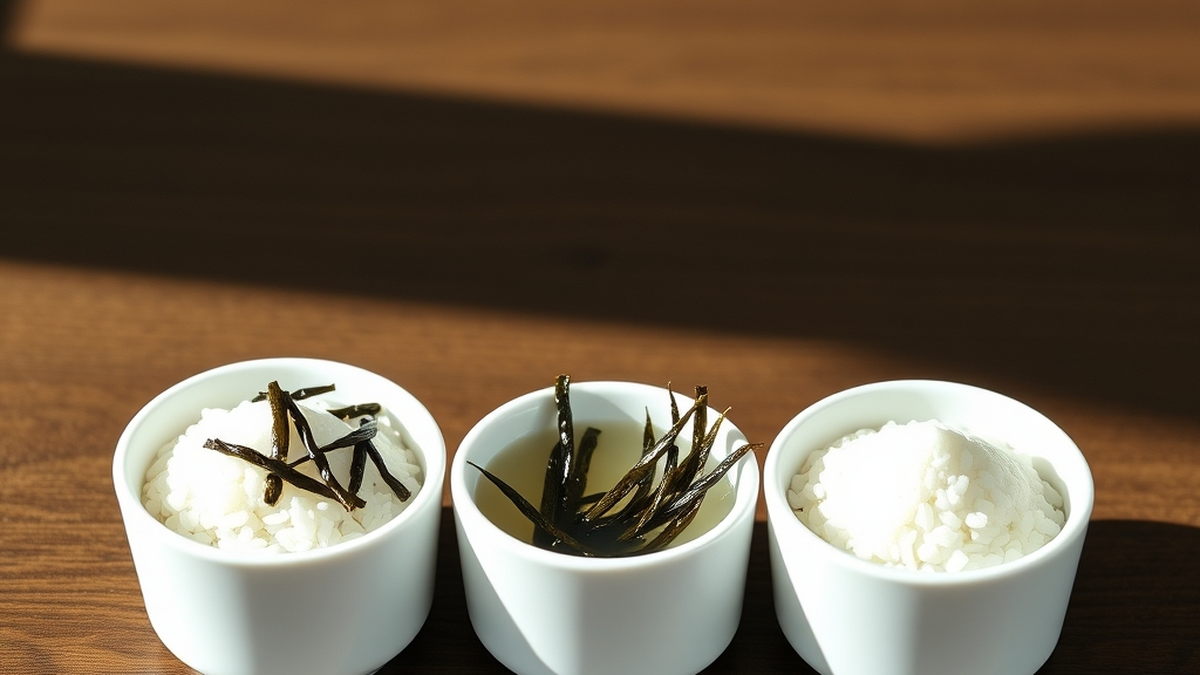
The influence of Samshin Halmoni is most visible in the Anbang (the inner room, historically the women’s quarters) during the first few weeks of a baby’s life. The traditional ritual offerings known as Samshin-sang (the Samshin table) serve as the most direct expression of this belief.
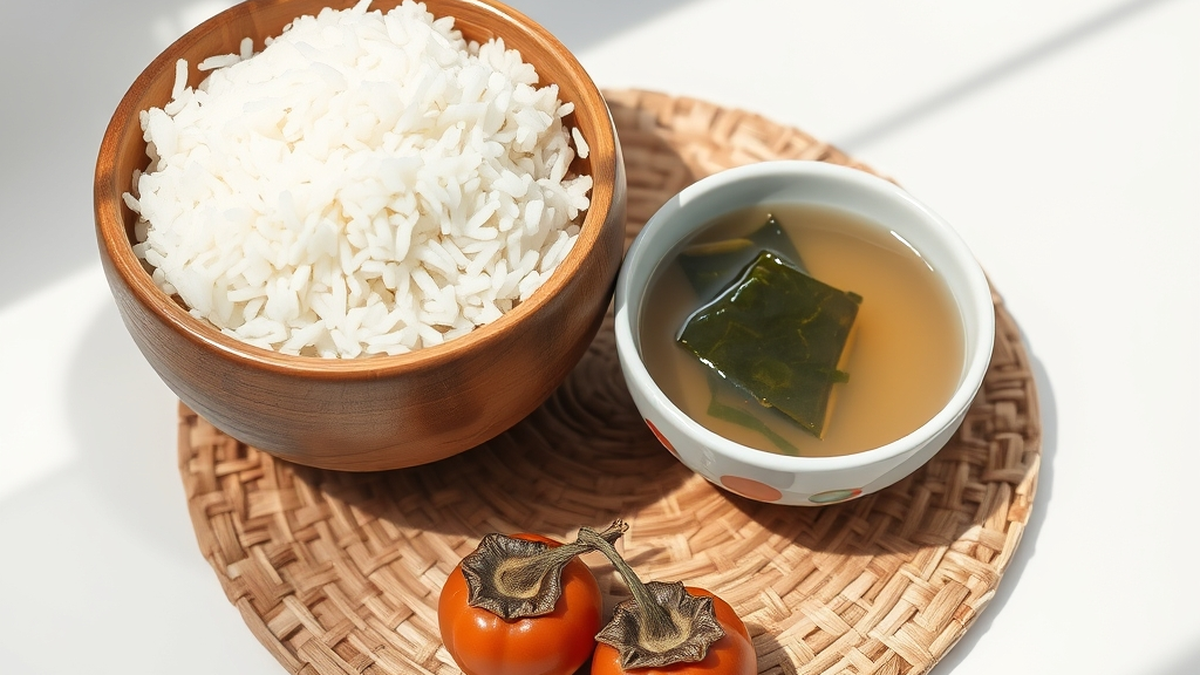
Shortly after birth, the family prepares a simple table for the goddess. This is rarely a grand, public affair. Instead, it is a modest, intimate act of gratitude. The table typically includes steamed white rice (bap), seaweed soup (miyeok-guk), and perhaps a splash of clean water or soy sauce. The choice of miyeok-guk is deeply significant; it is the traditional dish consumed by mothers to aid in recovery after childbirth. By offering this same soup to Samshin Halmoni, the family is acknowledging a reciprocal, almost familial relationship with the goddess. They are feeding her as she has “fed” the family with a new life.
These offerings are placed in the room where the mother and child are resting. The room is treated with extreme care—visitors are often restricted, and a geumjul (a straw rope hung across the doorway, adorned with pine needles, charcoal, and chili peppers) is traditionally placed to ward off malevolent spirits or external impurities. This is not just a superstition; it is a manifestation of the societal belief that the newborn is currently under the direct, exclusive protection of Samshin Halmoni. Any disruption to this environment is viewed as a disruption to the goddess’s work.
Recognizing the Cultural Echoes
For an international observer, understanding Samshin Halmoni helps unlock why certain customs persist in modern Korea, even when the theological roots have faded.
For instance, you might notice that in many Korean homes, there is an intense focus on the warmth and hygiene of the mother’s recovery period. This is often referred to as sanhu jori (postpartum care). While this is medically rooted, the cultural expectation of keeping the mother warm and shielded from drafts is inextricably linked to the idea that the mother and child are in a delicate state, still under the watchful, protective eye of the grandmother goddess.
Another example is the way Koreans speak about the personality or “destiny” of a child. If a baby is exceptionally calm, or if a child manages to overcome a difficult start, older generations might whisper that they have been “blessed by the Grandmother.” It is a way of attributing the child’s character to a higher, benevolent source rather than mere genetic chance.
Even the way birthdays and the passing of milestones like the Baekil (the 100th day after birth) are celebrated carries this scent of antiquity. The 100-day milestone is considered the first major hurdle a child clears, signifying that they have successfully transitioned out of the most dangerous, ethereal stage of infancy. Families will often share rice cakes (tteok) with neighbors during this time. While today it is a festive occasion, its roots lie in the belief that the child has been safely shepherded through their most vulnerable phase by the grace of the goddess.
Beyond Superstition: The Value of Lineage
The most important takeaway for those new to Korean culture is that the reverence for Samshin Halmoni is less about “worshipping a deity” and more about “respecting the continuity of the family.” In the Korean worldview, a child is not merely a new individual; they are the continuation of a long, unbroken lineage.
When you see a family being incredibly careful with a newborn, or when you notice the quiet, persistent practice of offering food or keeping a space “pure” for the mother, you are seeing a culture that prioritizes the gravity of birth. It is a way of saying: This life is precious, and we are merely the stewards of this soul that has been entrusted to us by forces beyond our control.
Misunderstandings often arise when outsiders label these traditions as “superstitions.” To do so misses the point entirely. If a family leaves a bowl of rice for a goddess, they are not acting out of a fear of bad luck; they are acting out of a desire for connection and recognition. They are participating in a tradition that has allowed generations of Koreans to navigate the uncertainty of childbirth with a sense of structure, dignity, and collective support.
Samshin Halmoni remains a powerful, if quiet, presence in the Korean imagination. She represents the idea that the most important events in life are not the ones we control with technology or planning, but the ones we prepare for with humility and an open heart. When the nursery is quiet and the mother is resting, the grandmother goddess is considered the final visitor, the one who watches over the cradle to ensure that the future of the family remains secure.