Samjok-o: Understanding the Symbolism of the Three-Legged Crow
Samjok-o: The Three-Legged Crow of Ancient Skies
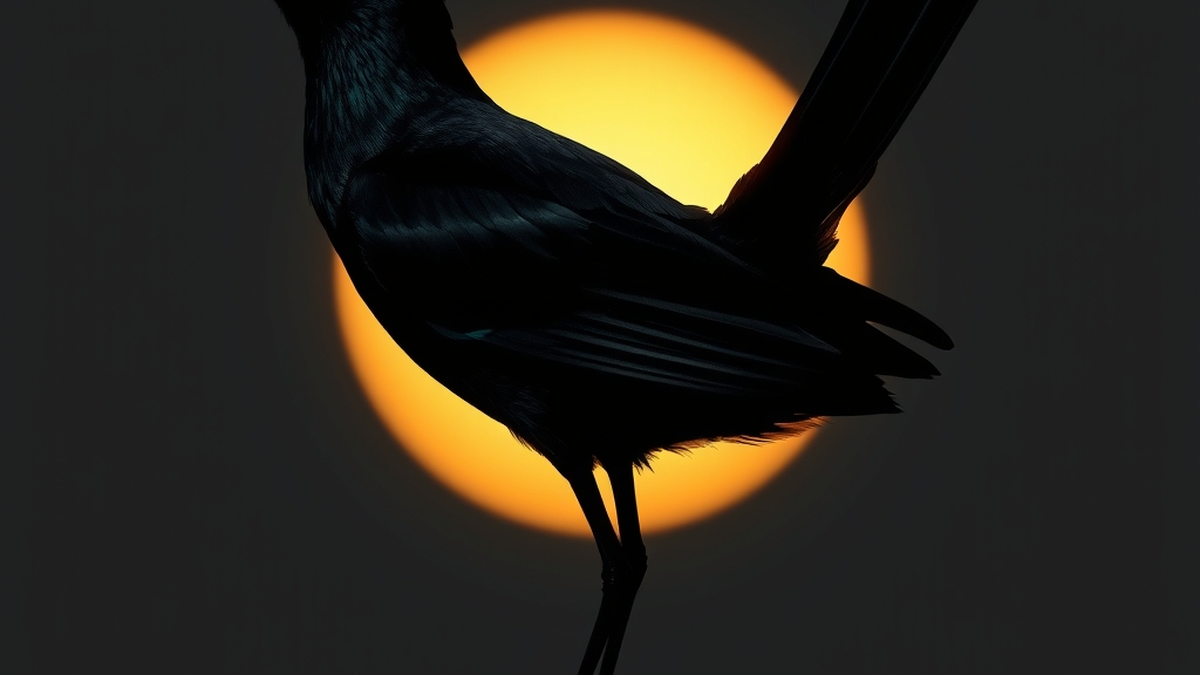
If you find yourself wandering through a historic site in South Korea—perhaps a tomb complex in Gyeongju or an exhibition hall in Seoul—you may eventually encounter an image that gives you pause. It is a bird, coal-black and sharp, soaring against the backdrop of a flaming sun. But upon closer inspection, you notice something distinctly unconventional: the bird has three legs.
This is the Samjok-o, the legendary three-legged crow. Far from being a common scavenger, this avian figure is a powerful emblem rooted in the bedrock of ancient Korean mythology. As you explore the country’s cultural landscape, especially during the late-summer and early-autumn exhibition season when museums often rotate their collections of ancient funerary art and metalwork, you will likely spot this creature again. Recognizing the Samjok-o is not just about identifying a bird; it is about understanding how ancient Korean civilizations perceived their relationship with the heavens.
The Mythological Origins of the Sun Crow
The Samjok-o (three-legged crow) is an inhabitant of the sun. In early East Asian cosmology, the sun was not merely a celestial body but a home to a divine messenger. The three legs are the creature’s defining feature, distinguishing it from any terrestrial bird you might encounter in a city park.
In mythology, each of these three legs represents a specific aspect of the cosmos: heaven, earth, and humanity. By connecting these three realms, the Samjok-o acts as a bridge between the divine and the mortal. It is a symbol of power, light, and the sun’s vitality.
During the period of the ancient kingdom of Goguryeo (37 BCE – 668 CE), this symbol was particularly prominent. You can see it vividly preserved in the murals of the Goguryeo tombs, such as those found in the Anak Tomb No. 3 or the Muyongchong Tomb. These murals are often dimmed by time, but the silhouette of the Samjok-o remains sharp, depicted amidst swirling clouds and stylized solar flames. For the people of Goguryeo, who were known for their martial spirit and expansionist history, the Samjok-o represented the radiant strength of the sun and the legitimacy of their rulers, who were seen as stewards of a divine order.
Distinguishing the Symbol from Common Birds
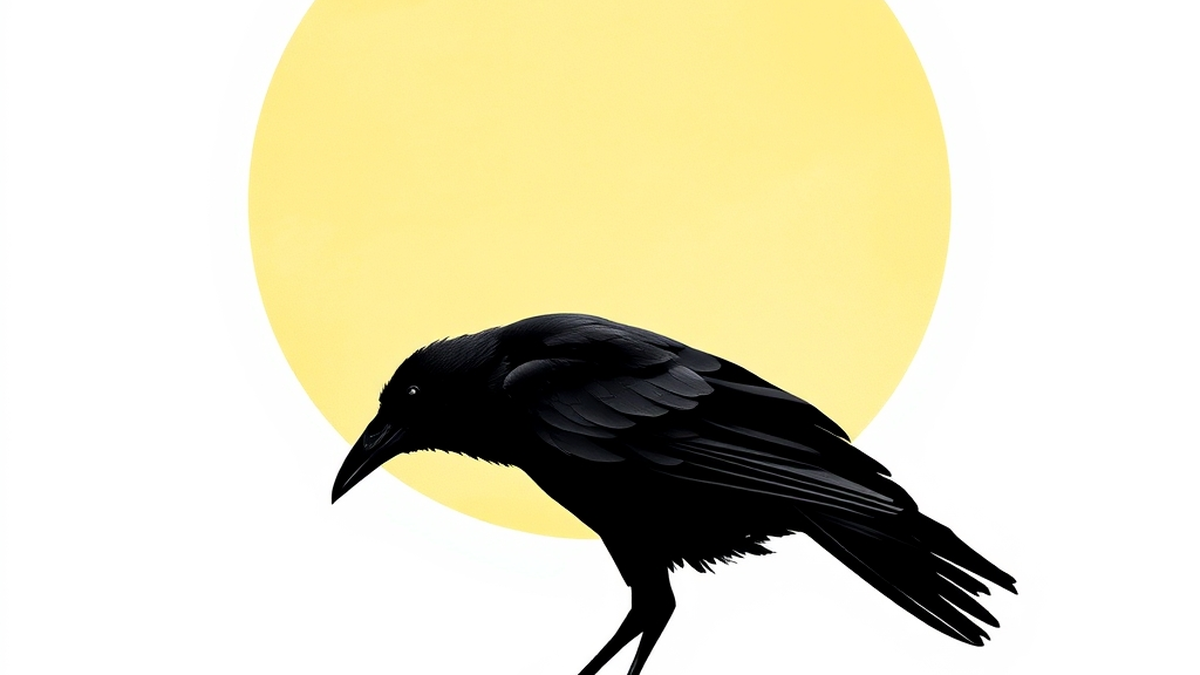
One of the most frequent mistakes made by international visitors is to conflate the Samjok-o with the common crow or raven. In many cultures, crows are associated with omens, gloom, or misfortune. However, the Samjok-o carries an entirely different cultural weight.
To identify the Samjok-o, look for three specific markers:
- The Third Leg: If you are looking at a carving, a painting, or a pattern on a roof tile, count the limbs. If the artist has clearly articulated a third leg—sometimes tucked up, sometimes extended—you are looking at the Samjok-o.
- The Context of Flame: The Samjok-o is almost always depicted within a circular motif representing the sun, often surrounded by flickering, jagged lines that signify solar rays or fire. It is rarely flying alone in a blank sky.
- The Stance: The creature is typically rendered with a majestic, upright posture. It does not look like it is scavenging; it looks like it is commanding the sky.
When you walk through a historical site like the National Museum of Korea or the Gwangju National Museum, you might see small metal ornaments or ceramic tiles featuring this bird. It is never depicted in a context of decay or death; rather, it is always depicted in a context of brilliance and cosmic authority. If you find yourself looking at a black bird on a historical artifact and you find yourself unsure, check the feet. If there are only two, it is simply a bird; if there are three, you have found the mythic sun-crow.
The Samjok-o in Ancient Architecture and Art
Beyond tomb murals, the Samjok-o appears in the fine details of architectural ornaments. In some of the older temple architectures or palace sites, you might find roof end-tiles, known as su-mak-sae, that feature auspicious animals. While the dragon or the phoenix are more common, the Samjok-o occasionally appears as a symbol of protection against darkness.
Think of it as the spiritual equivalent of a beacon. By placing the image of the sun-crow on a building, ancient architects were invoking the power of the sun to bring light and clarity to the structure. This is why you will often see it in displays of metalwork, such as sword fittings or horse trappings from the ancient kingdoms. These objects were used by the elite, and the presence of the Samjok-o was a way to imbue the wearer or the owner with the endurance of the sun.
During the late-summer season, when museums curate exhibitions focusing on the “Ancient Skies” or “Cosmology in Korean Art,” look for the sections dedicated to burial goods. You will often find bronze mirrors or gilded bronze belt buckles. The Samjok-o is frequently etched into these items, sometimes so small that it requires a magnifying glass to see the third leg clearly. This attention to detail reflects the high status of the myth; it was a closely held belief that required careful, deliberate artistic representation.
Why the Symbol Endures in Modern Sightseeing
You might wonder why a symbol from a kingdom that dissolved over a millennium ago still resonates in the contemporary visual culture of Korea. It is not because the myth is “used” by current entities, but because it is a staple of Korean art history.
When you visit a tourist site today, the Samjok-o is often used in displays to help visitors understand the religious, non-Buddhist aspects of early Korean history. It serves as a reminder that before and alongside the later dominance of Buddhist iconography, there was a rich, indigenous tradition of star-worship and solar mythology.
If you are visiting a site and you see a souvenir shop selling bookmarks, fans, or stationery featuring a bird in a circle, take a second look. If the design is intended to be historical or traditional, it is almost certainly a stylized Samjok-o. It has become a shorthand for “ancient Korea.” It is a cultural marker that says, “This place connects to the legacy of the Three Kingdoms era.”
Recognizing this icon adds a layer of depth to your visit. Instead of simply seeing an abstract pattern on a piece of pottery, you will see a creature that, in the minds of the people living fifteen hundred years ago, was the literal engine of the sun. You will see it on the walls of reconstructed ancient houses, in the illustrated panels explaining how tomb paintings were created, and on the plaques describing the remnants of early iron-working techniques.
The Samjok-o does not demand your worship, and it does not offer a fortune-telling service. It simply exists as a persistent, watchful silhouette in the history of the peninsula. Once you learn to look for the three legs—a detail that breaks the pattern of nature—the creature shifts from being a mere decoration to being a recognizable, distinct part of the Korean cultural vocabulary. Next time you stand in a museum, surrounded by the gold and bronze of the ancients, scan the artifacts for the sun-crow. It is a quiet, rewarding moment of recognition that makes the vast timeline of Korean history feel just a little bit more personal.