Samgyetang: Ancient Roots, Modern Health
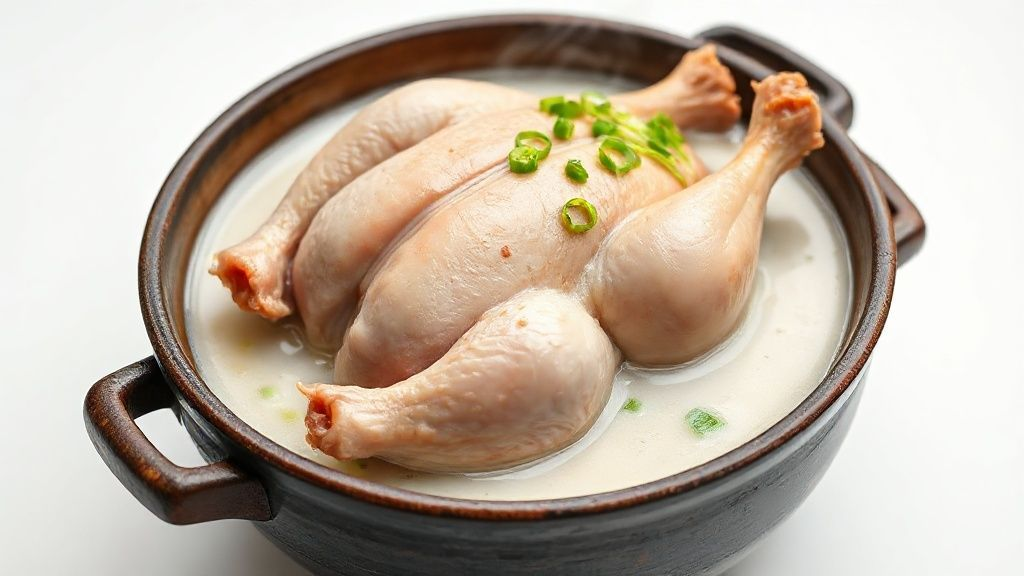
Beat the Heat the Korean Way: The Timeless Charm of Samgyetang
When the scorching summer heat descends upon Korea, you might expect Koreans to reach for icy treats and cold beverages. But surprisingly, one of the most beloved remedies for the sweltering ‘Ibok’ (이복) days – the three hottest days of summer – is a steaming hot bowl of Samgyetang (삼계탕). This isn’t just any chicken soup; it’s a culinary masterpiece, a symbol of health, and a centuries-old tradition that reveals the deeply rooted Korean philosophy of nourishing the body from within. Join me as we delve into the rich history, profound ingredients, and modern evolution of this iconic Korean dish, exploring how ancient wisdom and contemporary science intertwine in every comforting spoonful of Samgyetang.
The Historical Roots of Samgyetang (삼계탕): A Taste of Tradition
Korean culture places immense value on health and well-being, a concept deeply ingrained in the seasonal rhythm of life. For centuries, Koreans have practiced ‘Ibok’ (이복) tradition, actively combating the summer’s draining energy by consuming ‘boyangsik’ (보양식), or nourishing foods. Samgyetang stands at the forefront of this tradition, embodying a unique approach to health that might seem counterintuitive at first glance: fighting fire with fire.
Beating the Heat, Korean Style: The ‘Ibok’ (이복) Tradition
The ‘Ibok’ (이복) days — Chobok (초복), Jungbok (중복), and Malbok (말복) — mark the peak of summer’s heat. These are the days when the humidity hangs heavy, and the energy saps from even the most resilient. Ancient Koreans believed that during these extreme temperatures, the body’s internal energy (기, gi) could become imbalanced, leading to fatigue and illness. The solution? A piping hot, nutrient-dense meal like Samgyetang. The logic, rooted in traditional Korean medicine (한의학, Hanuihak), is that consuming a warm dish helps the body sweat, releasing internal heat and toxins while simultaneously replenishing lost nutrients and energy. This ingenious method of revitalizing the body, rather than simply cooling it, is a cornerstone of Korean health wisdom. The act of sharing a bowl of Samgyetang on these specific days isn’t just about eating; it’s a communal ritual, a shared commitment to health that strengthens family bonds and community spirit. It’s a testament to how deeply ingrained this dish is in the seasonal consciousness and collective well-being of the Korean people.
From Simple Broth to Royal Remedy
While chicken soup has been a staple across many cultures for its restorative properties, Samgyetang as we know it today has a distinct evolution. Early forms of chicken soup in Korea were simpler affairs, often just a chicken boiled in water. However, as the understanding of medicinal herbs grew, particularly during the Joseon Dynasty, people began to incorporate beneficial ingredients into their meals. The specific combination of young chicken, ginseng (인삼, insam), and other medicinal herbs began to solidify around the early 20th century. Before this, similar dishes existed, such as ‘Takgyeopsang’ (닭계장), a spicy chicken soup, but the mild, deeply fortifying Samgyetang became popular as a specialized health food. It moved from being a simple farmer’s meal to a more sophisticated dish, eventually finding its way into the homes of the wealthy and even gaining recognition as a restorative dish for those needing a significant boost. The meticulous selection of ingredients, each chosen for its specific health benefits, elevated Samgyetang from a common meal to a revered ‘boyangsik’ (보양식) – a symbol of care and dedication to one’s health.
The Wisdom of Ancestors: Traditional Korean Medicine (한의학) Principles
The philosophy behind Samgyetang is deeply rooted in traditional Korean medicine (한의학, Hanuihak), which emphasizes balance and harmony within the body. According to Hanuihak, our bodies are influenced by internal forces (Yin and Yang) and external factors (such as seasons). During summer, the body expends a lot of ‘gi’ (기), or vital energy, through sweating, which can lead to fatigue and a weakened immune system. Samgyetang is considered a ‘warm’ food, even when served hot, meaning it helps to warm the body’s core, thereby improving circulation and digestion. This in turn helps to re-energize the ‘spleen and stomach’ (비위, biwi), which are crucial for nutrient absorption and energy production. The ingredients are carefully selected to not only replenish lost fluids and minerals but also to fortify the body’s internal defenses. This traditional approach, passed down through generations, highlights a proactive rather than reactive stance on health, positioning Samgyetang not just as a cure for illness, but as a preventative measure and a vital part of maintaining overall wellness throughout the year, especially during periods of extreme weather.
Unpacking the Powerhouse Ingredients of Samgyetang (삼계탕)
The magic of Samgyetang lies not just in its comforting warmth but in the synergistic blend of its core ingredients. Each component plays a crucial role, contributing to its distinct flavor profile and its formidable nutritional benefits. Understanding these elements is key to appreciating the profound depth of this seemingly simple dish.
Ginseng (인삼): The ‘Root’ of Vitality
At the heart of every authentic Samgyetang lies ginseng (인삼, insam), often referred to as the “king of herbs.” This knobby, aromatic root is revered in traditional Asian medicine for its adaptogenic properties, meaning it helps the body adapt to stress and maintain balance. Korean ginseng, in particular, is highly prized for its potency. It’s believed to boost energy, enhance cognitive function, strengthen the immune system, and improve overall vitality. For Samgyetang, a whole root of fresh or dried ginseng is typically stuffed inside the chicken, slowly infusing the broth with its distinctive earthy aroma and medicinal compounds. The saponins, the active compounds in ginseng, are responsible for many of its health benefits, including anti-inflammatory and antioxidant effects. The presence of ginseng elevates Samgyetang from mere chicken soup to a powerful tonic, a true ‘boyangsik’ (보양식) designed to revitalize the body from the inside out. Its inclusion is not merely for flavor but for its profound contribution to the dish’s status as a formidable health supplement.
The Supporting Cast: Jujubes (대추) & Glutinous Rice (찹쌀)
While ginseng might be the star, the supporting ingredients in Samgyetang are equally vital, each bringing their own unique benefits and flavors to the broth. Jujubes (대추, daechu), also known as Korean red dates, add a subtle sweetness and a beautiful reddish hue to the broth. In traditional medicine, jujubes are believed to calm the mind, promote sleep, and enrich the blood. Nutritionally, they are packed with vitamins, minerals, and antioxidants, contributing to the dish’s overall nourishing properties.
Glutinous rice (찹쌀, chapssal) is another essential component, typically stuffed inside the chicken with the ginseng. As the chicken simmers, the rice absorbs the rich flavors of the broth and ingredients, becoming wonderfully tender and creating a naturally thick, creamy texture to the Samgyetang. Glutinous rice provides a good source of energy, helping to replenish the body’s vitality during the draining summer months. It also acts as a binder, holding all the precious ingredients together, and contributing to the satisfying heartiness of the meal. Together, these ingredients create a holistic nutritional profile, ensuring that every spoonful of Samgyetang not only tastes delicious but actively contributes to one’s well-being.
The Science Behind the Comfort
The wisdom embedded in Samgyetang is not just folklore; it’s increasingly supported by modern nutritional science. The chicken itself provides high-quality protein, essential for muscle repair and growth, especially crucial when battling fatigue. It’s also a good source of B vitamins and minerals like iron and zinc, which are vital for energy metabolism and immune function. The long simmering process extracts collagen from the chicken bones, enriching the broth with gelatin, which is beneficial for joint health and gut lining.
Ginseng, as mentioned, is a potent adaptogen whose compounds (saponins) are extensively studied for their anti-inflammatory, antioxidant, and immune-modulating effects. Jujubes contribute fiber, vitamin C, and various polyphenols, enhancing antioxidant defense. Glutinous rice offers sustained energy release. When combined, these ingredients in Samgyetang create a nutrient powerhouse that aids hydration, replenishes electrolytes, and provides a balanced array of macro and micronutrients. The warmth of the soup itself also helps to dilate blood vessels, improving circulation and promoting detoxification through sweating, aligning perfectly with the traditional ‘fighting fire with fire’ philosophy. This convergence of ancient culinary practice and contemporary scientific understanding makes Samgyetang not just a traditional dish, but a scientifically sound meal for optimal health.
Samgyetang (삼계탕) in the Modern Era: Evolution and Innovation
While the core principles of Samgyetang remain deeply traditional, this iconic dish has not stood still. It has elegantly adapted to modern palates and preferences, demonstrating the dynamic nature of Korean food culture. Today, Samgyetang offers a fascinating blend of the classic and the contemporary, making it accessible and appealing to a wider, global audience.
From Classic to Contemporary: Varied Samgyetang Flavors
The traditional Samgyetang, with its clear, earthy broth and tender chicken, remains the beloved benchmark. However, restaurants and home cooks alike have embraced innovation, introducing exciting variations that cater to diverse tastes and specific health needs. One popular alternative is ‘Olgolgye Samgyetang’ (오골계 삼계탕), made with black-boned chicken, prized in traditional medicine for its even more potent healing properties. Another luxurious option is ‘Jeonbok Samgyetang’ (전복 삼계탕), where abalone (전복, jeonbok), a prized seafood delicacy, is added to the soup, offering a richer flavor and additional nutritional benefits, especially for stamina. For those who prefer a nuttier, richer broth, ‘Deulkkae Samgyetang’ (들깨 삼계탕) features perilla seeds, which give the soup a thicker texture and a distinct, savory aroma. Other variations might include ingredients like pine nuts, chestnuts, or various mushrooms, each adding a unique layer of flavor and health benefits. These modern iterations ensure that Samgyetang continues to be a versatile and exciting dish, constantly reinventing itself while staying true to its healthful essence.
A Global Sensation: Samgyetang’s International Appeal
In recent years, Samgyetang has transcended its origins as a seasonal Korean health food to become a global culinary sensation. As Korean culture, or ‘Hallyu’ (한류), spreads worldwide, so does the appreciation for its cuisine. Tourists flock to specialized Samgyetang restaurants in Seoul, eager to experience this unique blend of flavor and wellness. Its popularity is fueled by several factors: the growing interest in healthy eating, the increasing recognition of ginseng’s benefits, and the simple, comforting nature of a well-made chicken soup. Samgyetang appeals to those seeking an authentic cultural experience as well as gourmands looking for nourishing and delicious food. Many find its mild, clean flavor profile, distinct from other heavily spiced Korean dishes, particularly approachable. This widespread appeal has led to Samgyetang becoming a diplomatic dish, often served to international guests, and even becoming an export commodity, making it easier for people around the world to enjoy a taste of Korean health and tradition right in their own homes. The simplicity and profound goodness of Samgyetang makes it an easy entry point into the world of Korean cuisine for many first-time explorers.
Beyond the Bowl: Samgyetang’s Cultural Significance Today
Even in fast-paced modern Korea, Samgyetang retains its deep cultural significance. It’s more than just a meal; it’s an expression of care and love. Families gather to share Samgyetang on ‘Ibok’ (이복) days, reinforcing familial bonds and collective well-being. It’s often prepared for new mothers, the elderly, or anyone recovering from illness, serving as a restorative tonic. The act of cooking or sharing Samgyetang symbolizes a wish for good health and longevity. Many restaurants specializing in Samgyetang become community hubs, bustling with people seeking comfort and nourishment. When you sit down to eat Samgyetang, you’re not just consuming a dish; you’re participating in a ritual that connects you to generations of Koreans who have found strength and solace in its warmth. Accompaniments like kimchi (김치), kkakdugi (깍두기 – radish kimchi), and a shot of makgeolli (막걸리 – rice wine) often complete the experience, enhancing the flavors and adding to the convivial atmosphere. This enduring relevance underscores Samgyetang’s place not just as a culinary item, but as an integral thread in the fabric of Korean daily life and a testament to the nation’s enduring health-conscious culture.
A Bowlful of Korean Wisdom
From its ancient origins as a summer health remedy to its modern-day variations and global appeal, Samgyetang (삼계탕) is a testament to the enduring wisdom of Korean culture. It beautifully demonstrates how traditional knowledge, deeply rooted in the philosophy of ‘boyangsik’ (보양식), can meet scientific understanding to create a dish that is both profoundly delicious and incredibly beneficial. The carefully selected ingredients—ginseng (인삼), jujubes (대추), and glutinous rice (찹쌀)—are not merely elements of a recipe; they are symbols of a holistic approach to health, a culinary embrace that strengthens the body and soothes the soul. Each spoonful of Samgyetang tells a story of generations finding comfort, vitality, and well-being in its warm embrace.
So, the next time you find yourself battling the heat, or simply seeking a meal that nourishes you from the inside out, consider the humble yet mighty Samgyetang. It’s more than just a dish; it’s a taste of Korea’s heart, history, and unwavering commitment to health.
Ready to try Samgyetang? Have you ever tasted this incredible Korean health food? What’s your favorite variation? Share your thoughts and experiences in the comments below! And don’t forget to tag your foodie friends who need to discover the magic of Samgyetang!