A Beginner’s Guide to Korean Jjimjilbang Culture and Etiquette
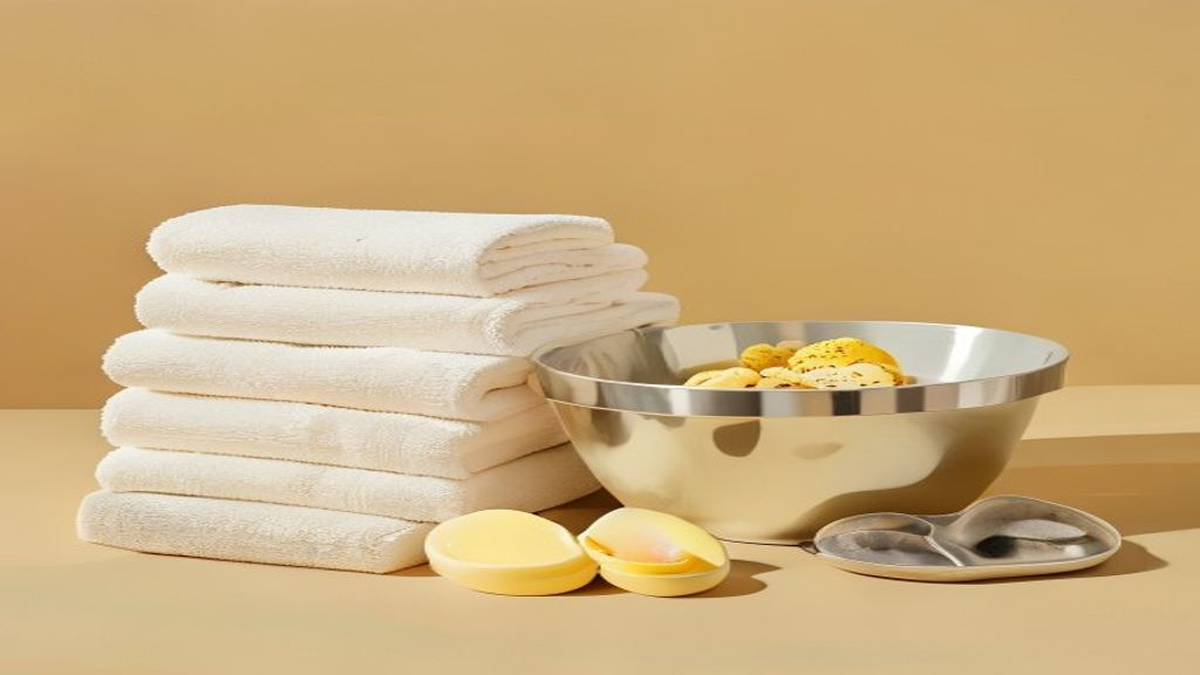
Public Bathhouse (Jjimjilbang) Culture for Beginners
If you find yourself wandering the streets of Seoul or Busan in the middle of July, you will quickly notice that the Korean summer does not apologize for its humidity. As you duck into a building to escape the heat, you might see a sign that looks like a steaming bowl of noodles or a pair of circles. You have found a jjimjilbang (Korean sauna and bathhouse).
For the uninitiated, the jjimjilbang is more than just a place to wash up; it is a sprawling, 24-hour communal space where the social barriers of the outside world are stripped away—sometimes quite literally. While the prospect of communal nudity can be daunting for first-timers, understanding the rhythm of the space makes it feel less like a clinical environment and more like a casual, suburban living room.
The Entry Ritual: From Street Clothes to Uniforms
The experience begins at the front desk. After you pay your entrance fee, you are typically handed a locker key (often attached to a wristband), a pair of shorts and a t-shirt (the jjimjilbok), and two small, thin towels.
The division of the facility is binary: the bath area (mokyoktang) and the communal area (jjimjilbang). The bath area is gender-segregated and strictly no-clothes, while the communal area is mixed-gender and requires the provided uniform.
Situation 1: The Locker Room Shuffle As you enter the locker room, you might feel a flicker of hesitation. You will see elderly regulars walking around with the complete ease of someone in their own hallway. The key here is simple: follow their lead by not overthinking it. Everyone is there for the same reason—to scrub off the grime of the city. There is no social posturing, no checking out others, and no judgment. You quickly find your locker, stow your belongings, and change into your uniform. By the time you step out into the common area, the initial anxiety usually evaporates, replaced by the relief of being in a climate-controlled sanctuary.
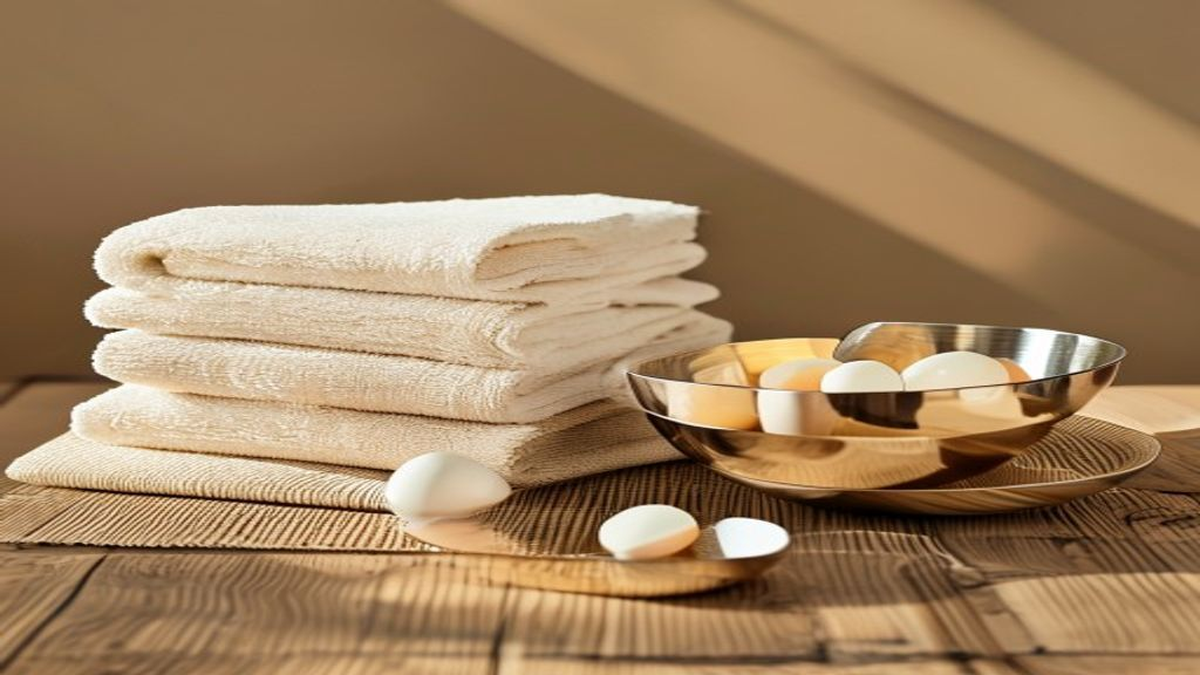
The Communal Living Room
Once you are in your jjimjilbok, you enter the heart of the facility. This is a massive, open floor, often covered in yellow or green floor mats.
Situation 2: The Family Outing On a Sunday afternoon, you will likely see families lounging here. You might spot a group of teenagers playing a card game in the corner, while their parents are napping under thin blankets a few feet away. It is not uncommon to see a family of four sharing a bowl of sikhye (a sweet rice beverage) while watching whatever is playing on the wall-mounted television.
Situation 3: The Friends’ Hangout Friends often come here to talk late into the night. Because the jjimjilbang is designed to be quiet, you will find people whispering in corners or leaning against the heated floor mats. If you have ever been in a crowded library or a quiet cafe with a group of friends, the volume level is much the same. It is a space where you can be present with someone without needing to be “on” or productive.
The Sauna Science and the ‘Sheep Head’ Look
The communal area is dotted with rooms of varying temperatures. Some are made of salt crystals, others of red clay, and some are “ice rooms” designed to cool you down after a heat session. This is where you will see the famous “sheep head” towel fold.
Situation 4: The Sheep Head (Yang-meori) You will inevitably see people walking around with towels twisted into a shape that looks like two protruding horns—a look popularized by Korean television shows. To create it, you fold the towel into thirds horizontally and then roll the ends outward until the center creates a space for your head. It is meant to keep the sweat out of your eyes while you sit in the high-heat sauna. If you manage to get it right, it’s a perfect bit of lighthearted fun. If you can’t, don’t worry; most people are just using their towels as basic headrests anyway.
Situation 5: The Snack Bar Order No trip is complete without visiting the snack bar. You will see people ordering hard-boiled eggs—known as maekbanseok-gyeran—which are often cracked against the head of a friend for a laugh. Eating these eggs with a cold, icy cup of sikhye is a quintessential part of the experience. You simply tap your wristband at the counter to pay, meaning you don’t have to carry a wallet or money anywhere.
Etiquette and Social Norms
The unspoken rules of the jjimjilbang are rooted in consideration. Because the space is shared by people trying to sleep or relax, the most important rule is volume control.
Situation 6: The “Public Space” Awareness If you are walking through the sleeping area, you will notice people lying head-to-toe in rows. You naturally learn to walk around them, not over them. Even when talking to friends, you keep your voice to a low murmur. It is a shared consciousness; everyone is aware that the person three feet away is trying to nap, so the environment stays naturally hushed.
Situation 7: The Bathing Area Protocol Before you enter any of the hot tubs in the gendered bathing area, you must scrub down at the shower stations. You will see rows of small stools and handheld showerheads. The expectation is to wash your hair and body thoroughly before entering the communal water. It is a simple matter of hygiene, and you will notice that even the busiest, most rushed regulars never skip this step. It is the one place in the facility where there is a distinct, orderly rhythm.
Closing Thoughts
A jjimjilbang isn’t a spa in the Western sense of quiet luxury or expensive treatments. It is a piece of public infrastructure—a neighborhood living room that happens to have hot tubs and heated floors.
You don’t need a formal invitation, a membership, or even a plan. You go when it is too hot, too cold, or when you simply need a place to sit for a few hours. Once you stop treating it as a performance and start treating it as a local amenity, you’ll find that it’s just another part of the texture of life here. And if you find yourself sitting on a yellow mat, nursing a cold drink while wearing a towel folded clumsily on your head, you’re already doing it right.