From Red Beans to Modern Treats: The Evolution of Patbingsu
Patbingsu: The Evolution of Shaved Ice
If you walk into a neighborhood bakery or a local cafe in Seoul during the humid months of July and August, you will inevitably hear the rhythmic whirring of an industrial ice shaver. In the sweltering heat, when the air feels heavy and the pavement radiates warmth long after the sun has set, the most popular order is not an iced Americano, but a large, overflowing bowl of Patbingsu (팥빙수).
At its core, Patbingsu is the definitive Korean summer dessert—shaved ice topped with sweetened red beans. But to call it merely “shaved ice” is to miss the nuance of how it functions in daily Korean life. It is rarely a solitary snack; it is a shared experience, a communal cooling agent, and a versatile canvas that has evolved from a humble street stall staple into a culinary category of its own.
The Anatomy of the Classic: Red Beans and Ice
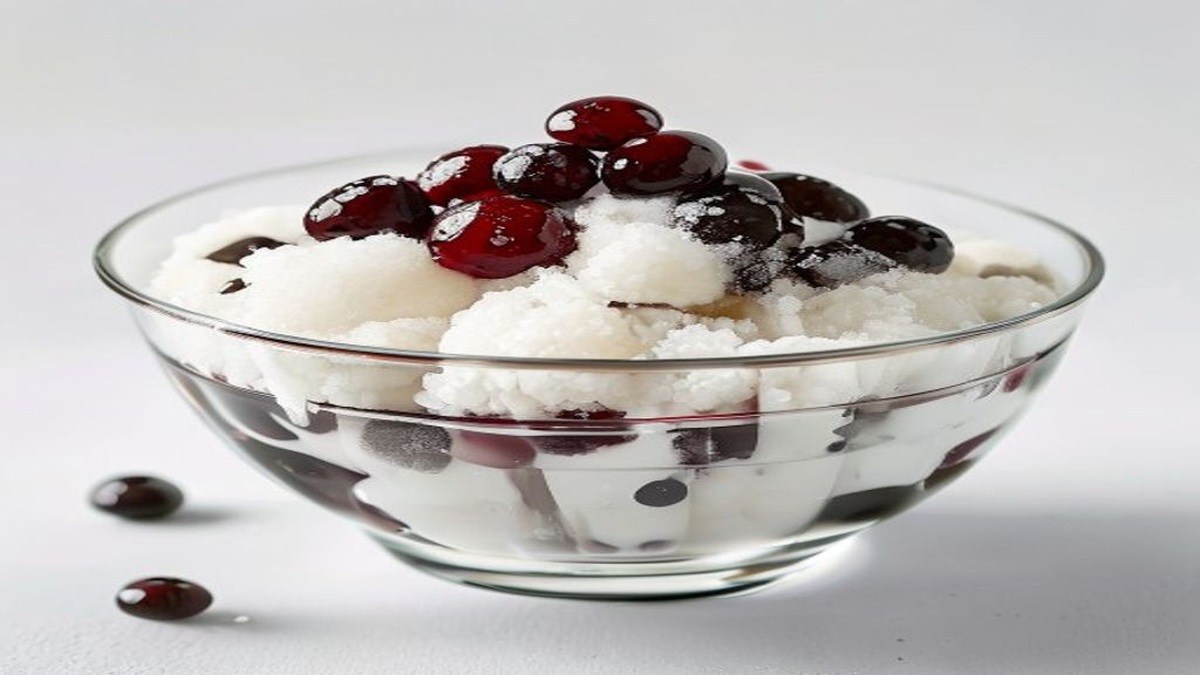
The traditional Patbingsu is defined by restraint. The base consists of finely shaved ice, which is often mixed with a generous splash of milk or condensed milk. The star, however, is the Pat (팥), or red bean. These are boiled until soft and sweetened into a thick, dark paste, often left with enough texture to provide a slight bite.
When you sit at a traditional bingsu establishment, you will notice that the presentation is functional. The ice acts as a neutral palate, while the red beans provide a deep, earthy sweetness. A sprinkle of injeolmi (인절미)—chewy, nutty soybean powder-dusted rice cakes—is almost always added to provide a contrast in texture.
For those trying it for the first time, the biggest challenge is the mixing. Unlike a parfait or a layered sundae, Patbingsu is meant to be stirred. If you attempt to eat it in strict layers, you will likely end up with flavorless ice. Using a long metal spoon, you combine the milk, beans, and ice until the bowl resembles a loose, cold slush. It is not designed to be elegant; it is designed to be refreshing.
In a typical dinner scenario, Patbingsu serves as the perfect post-meal palate cleanser. After a heavy meal of Samgyeopsal (grilled pork belly) or spicy Kimchi-jjigae (kimchi stew), a group will head to a dessert shop specifically to share one large bowl. It acts as a bridge between the intensity of a meal and the cool breeze of the evening.
From Tradition to Infinite Toppings
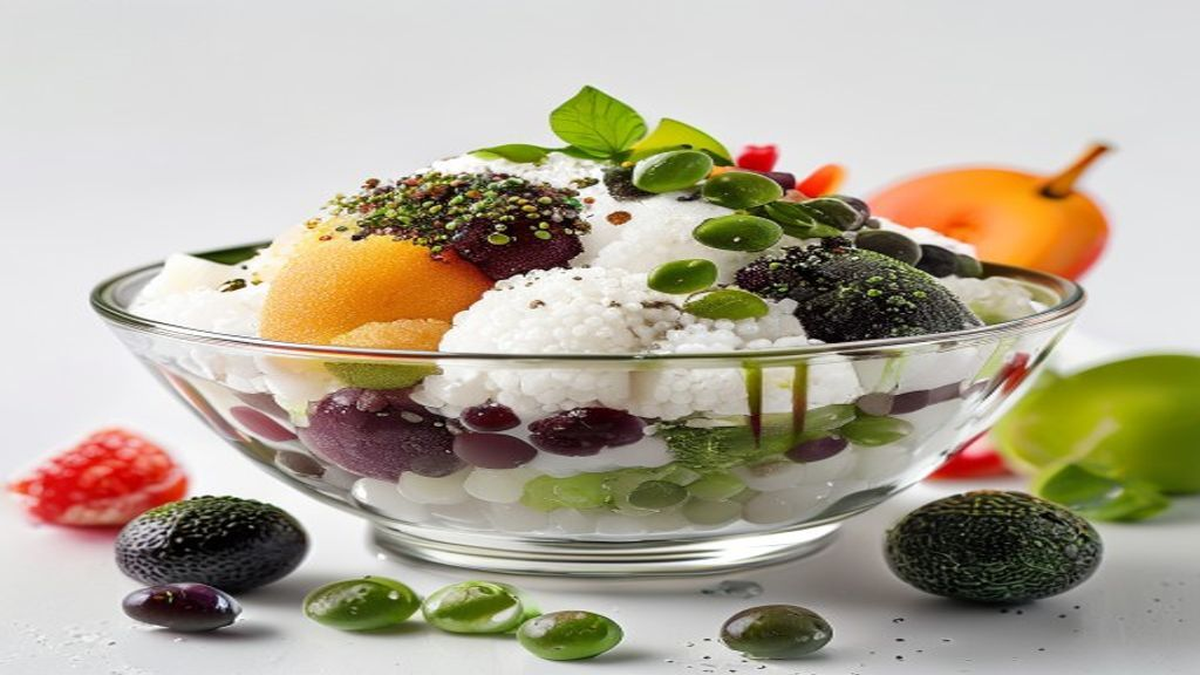
While the red bean version remains the standard-bearer, the landscape of Patbingsu has shifted significantly over the last few decades. The transition began with the simple addition of canned fruits and jellies, but today, you can find a bingsu for almost any palate.
The shift is largely structural. As the equipment used to shave ice became more sophisticated, the consistency changed from coarse, crunchy ice—resembling snow cones—to a texture as soft and fine as powder. This “snow ice” creates a completely different mouthfeel; it dissolves almost instantly, making the toppings take center stage.
In many modern cafes, the red beans are often omitted entirely. In their place, you might find bowls covered in:
- Fruit Varieties: Seasonal fresh fruit is a major driver of variety. During the summer, mango bingsu is arguably the most common alternative, featuring cubes of ripe mango and sometimes a scoop of sorbet or a drizzle of mango syrup. During the autumn or spring, strawberry or melon varieties take over.
- Dessert Hybrids: It is not uncommon to see “cake” bingsu topped with chunks of cheesecake, brownies, or crushed cookies. These varieties move away from the traditional earthy sweetness of the red bean and lean toward a richer, more indulgent profile.
- Tea Infusions: For a more subtle experience, look for Nokcha-bingsu (녹차빙수), or green tea shaved ice. These versions often incorporate green tea powder or ice cream, offering a slightly bitter, sophisticated counterpoint to the condensed milk base.
The evolution of these toppings has changed how the dish is consumed. While the classic red bean version is a nostalgic staple, the fruit and cake varieties have turned bingsu into a substitute for a full dessert course. Because these bowls are quite large—often designed for two or three people to share—choosing the right one often requires a quick survey of what is in season.
Navigating the Menu: How to Choose
If you find yourself standing in front of a menu board featuring six or seven different types of bingsu, the choice can be overwhelming. A good rule of thumb is to look at the season and the setting.
If you are at an older, traditional shop or a family-run bakery, the Patbingsu or the Injeolmi-bingsu is almost always the best choice. These places take pride in their red bean preparation, which is the benchmark of their quality. The beans should not be overly sugary; they should retain a bit of the natural, nutty bean flavor.
If you are in a modern, bustling cafe chain, look toward the fruit-heavy options. These shops often have standardized supply chains that ensure the fruit is consistently ripe and uniform.
A common misunderstanding for international visitors is the size. You will often see a party of four sharing a single bowl. This is the cultural norm. If you order one bowl per person, you will likely find yourself unable to finish, as the portion sizes are generous by design. When ordering, it is perfectly acceptable to ask the server how many people the bowl is intended for—they will usually give you a clear answer, often with a helpful gesture.
Also, be aware of the “melt factor.” Because the ice is so finely shaved, it has a high surface area and begins to melt the moment it hits the room temperature. The social etiquette is to get through the initial conversation quickly so you can start eating before the bingsu turns into a bowl of sweet, flavored milk.
The Seasonal Experience
The true beauty of Patbingsu lies in its seasonal nature. You can find it year-round in some places, but there is a distinct feeling of “summer arrival” when cafes start placing banners outside their doors advertising their bingsu menu. It marks a transition in the social calendar. It is the food you eat when the humidity hits its peak, when the fans are running at full speed, and when the prospect of a hot drink feels impossible.
Whether you prefer the classic red bean, the refreshing bite of seasonal fruit, or the indulgence of a cake-topped bowl, the experience remains the same. You are joining a local rhythm of taking a pause from the heat, sitting with friends or family, and sharing a cold, sweet moment before heading back out into the summer day. It is one of the most accessible and immediate ways to engage with the local culture—no reservations or special occasions required, just a craving for something cold and the willingness to share a spoon.