Maesil: The Korean Tradition of Harvesting Green Plums in June
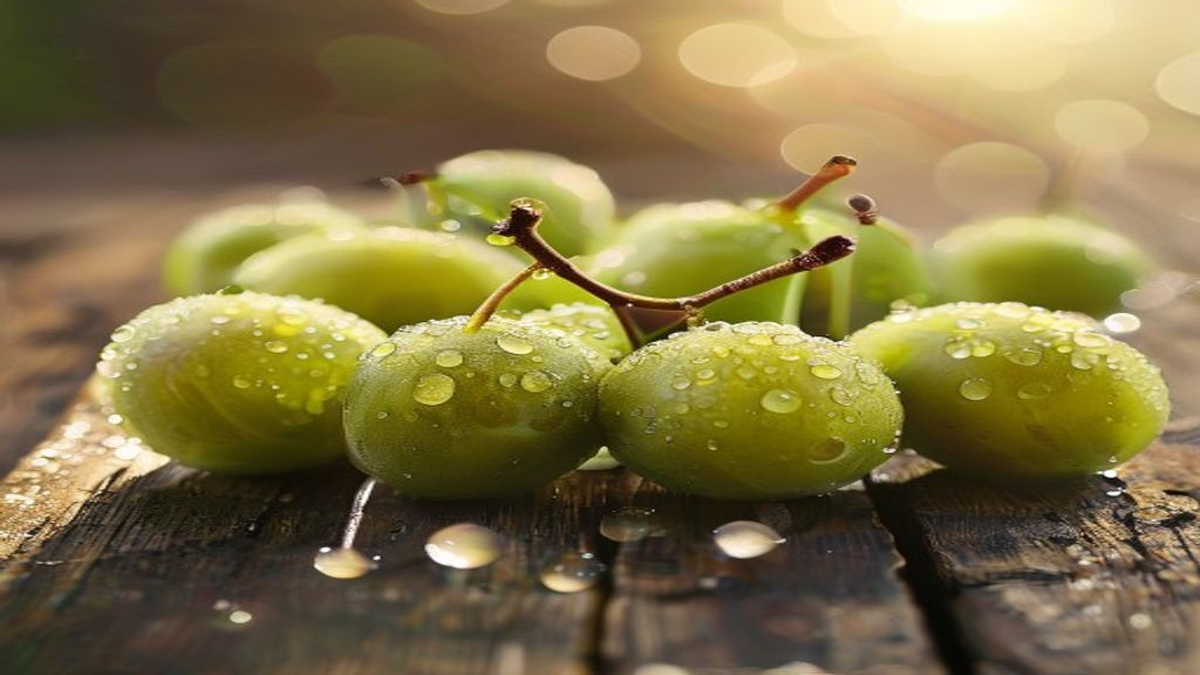
Maesil: The Seasonal Green Plum of June
If you walk past a Korean traditional market or visit a local neighborhood grocery store in early summer, you will likely encounter large crates overflowing with small, firm, vibrant green fruits. These are maesil (green plums). While they look like fruit you might pluck from a tree and eat as a snack, the maesil found in Korean homes during June are rarely consumed raw. They are the essential foundation for a specific type of kitchen alchemy that defines the Korean culinary calendar at the start of summer.
In Korea, the arrival of June signals the maesil season. This is the brief window when the fruits are harvested while still green and tart, before they ripen into softer, sweeter varieties. For many households, this marks the start of an annual ritual of preservation. Across the country, families purchase these plums in bulk—often by the five or ten-kilogram bag—to prepare their pantries for the months and even years ahead.
The Art of the Maesil-cheong
The primary way maesil enters the Korean kitchen is through maesil-cheong (green plum extract or syrup). Creating this extract is a labor-intensive but deeply ingrained domestic tradition.
The process begins by washing the firm green plums, removing their tiny stems with a toothpick or a small paring knife, and drying them thoroughly. Once prepared, the plums are layered in a large glass jar, alternating with equal parts sugar. The jar is then sealed and left to sit in a cool, dark place. Over the next hundred days or so, the sugar draws the juices out of the plums, creating a thick, syrupy liquid that is deep amber in color.
After the fermentation period, the fruit pieces are strained out, and the resulting extract becomes a versatile ingredient. You will find it in almost every corner of a Korean home kitchen. Because maesil-cheong balances a sharp acidity with a deep, rounded sweetness, it is often used as a sugar substitute in side dishes like namul-muchim (seasoned vegetable side dishes). A small splash added to the sauce for bibim-guksu (spicy cold noodles) or baechu-geotjeori (fresh kimchi salad) provides a bright, refreshing lift that cuts through the heat of the red chili pepper flakes.
When you see a Korean home cook reaching for an unmarked, unlabeled glass jar hidden in the back of the pantry to spoon out a syrupy liquid into a mixing bowl, there is a very high probability that they are working with the maesil-cheong they prepared during the previous June.

Maesil as a Refreshing Summer Staple
Beyond its use as a culinary seasoning, maesil-cheong serves as the base for a popular everyday beverage. In the heat of midsummer, when the humidity in Korea climbs, a chilled glass of maesil-cha (green plum tea) is a common sight in both homes and restaurants.
To make this, one simply mixes a small amount of the extract with cold water and ice. The result is a drink that tastes significantly more complex than a standard fruit juice. It has a bright, floral tang and a subtle woody undertone that makes it particularly refreshing after a heavy meal. In many traditional restaurants, it is common to be served a small glass of maesil-cha as a finishing drink after the main course. It is a palate cleanser, a way to signal that the dining experience is concluding on a light, clean note.
The preparation of these beverages often follows the rhythm of the seasons. Since the extract is made in June and usually left to mature for several months, it is often ready to be consumed by the following year, creating a cycle where the previous year’s harvest is enjoyed while the current year’s batch is being prepped. This long-term planning is a hallmark of the Korean pantry, where time is treated as a necessary ingredient.
Maesil-ju and the Patience of Fermentation
In addition to syrup, maesil is frequently used to make maesil-ju (green plum liquor). This follows a similar method to the syrup, but instead of relying on the osmosis of sugar to draw out the juice, the cleaned green plums are placed in a glass carboy and submerged in soju (a clear, distilled spirit).
Unlike the quick-drinking spirits found at a bar, maesil-ju is a slow-burn project. The jar is sealed and left to sit for months, sometimes years. As the plums steep in the alcohol, the liquid turns a delicate, pale golden hue. The harshness of the alcohol mellows, taking on the tart, aromatic qualities of the fruit.
You might see these large, oversized glass containers lining the shelves of a family home’s utility room or a shaded patio. They are often tucked away in corners, quietly aging. Serving homemade maesil-ju to guests is a gesture of hospitality that signifies time and effort. It is not something that can be rushed or bought at a standard convenience store, which makes the act of pouring a glass for someone a way of sharing a piece of the household’s history.
Recognizing the Culture in Real Situations
If you are traveling in Korea or dining at a traditional establishment during the summer months, you will likely encounter the influence of maesil in subtle ways. If a side dish of spinach or cucumber has a clean, sharp finish that lingers on the tongue, it is likely the touch of maesil-cheong. If you finish a meal and are handed a small, iced drink that is pale amber and tastes both sweet and sour, you are almost certainly drinking maesil-cha.
The most common misunderstanding for international visitors is mistaking these green fruits for typical plums that should be eaten off the branch. Eating a raw maesil straight from the crate is generally discouraged; they are intensely sour and firm to the point of being unpalatable. They are strictly functional fruits, designed to be transformed.
The beauty of the maesil tradition lies in this transformation. By taking a seasonal harvest and converting it into extracts, teas, and spirits, the Korean household effectively “captures” the essence of June to last throughout the year. It is a practical, repetitive, and deeply communal activity. Even in modern urban apartments where large-scale fermentation might be difficult, the presence of small bottles of maesil-cheong—often gifted by relatives who live in houses with more space—remains a staple of the kitchen.
As June concludes and the crates of green plums disappear from the markets, the jars in the cupboards remain. They wait through the heat of the summer and the chill of the winter, serving as the quiet, reliable engine of the Korean table. For those observing from the outside, noticing the glass jars, the small bottles in the fridge, or the distinct aftertaste of a summer sauce is to understand one of the quietest, yet most persistent, rhythms of Korean culinary life.