Korean Temple Food: Seasonal Flavor and Mindful Restraint
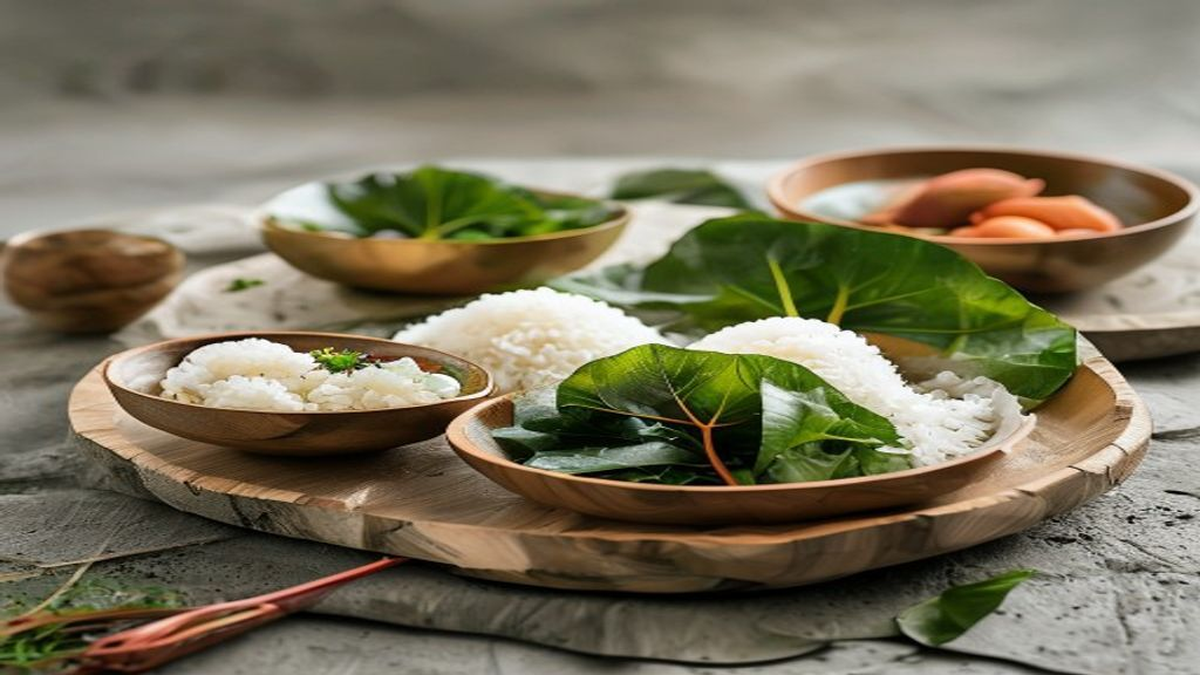
In an era where AI (인공지능 - in-gong-ji-neung) dictates our schedules and algorithms curate our cravings, the ancient wisdom of Korean Temple Food (사찰음식 - sachal eumsik) offers a radical, grounding alternative: the beauty of slowing down. While the digital world moves at the speed of a fiber-optic cable, the temple kitchen moves at the speed of the seasons, reminding us that true nourishment comes not from what we add to our plates, but from what we have the courage to leave out.
Korean Temple Food is more than just a “vegan” diet. It is a thousand-year-old culinary tradition practiced in Buddhist temples across the Korean peninsula. It represents a philosophy where the act of growing, cooking, and eating is inseparable from spiritual practice. For international readers accustomed to the bold, spicy, and often meat-heavy profile of modern K-BBQ, temple food provides a startlingly different perspective on what “Korean flavor” can be. It is a cuisine of restraint, seasonality, and profound depth.
The Philosophy of Restraint: Why Less is More
At its core, Korean Temple Food is an exercise in mindfulness. In a world where we are often told that “more is better”—more spices, more toppings, more processing—Buddhist cooking teaches us that restraint (절제 - jeol-je) actually unlocks deeper layers of flavor. This isn’t about deprivation; it’s about clarity.
The Exclusion of the Five Pungent Herbs (Osinchae)
The most striking technical aspect of temple food is the absence of the “Five Pungent Herbs,” known as Osinchae (오신채). This list includes green onions, garlic, chives, leeks, and wild chives. To a chef in the West or even a home cook in Seoul, making a savory dish without garlic or onions sounds almost impossible.
However, in Buddhist philosophy, these ingredients are believed to create excessive heat in the body. When eaten raw, they are said to cause anger; when eaten cooked, they act as an aphrodisiac. For a monk or nun seeking a calm, meditative state, these “distractions” are removed from the diet. The result is a culinary profile that doesn’t rely on the “flavor bomb” of garlic, but instead allows the delicate, earthy taste of the primary ingredients—like a single mushroom or a handful of mountain greens—to shine.
Balwoo Gongyang: The Art of Minimal Waste
The restraint isn’t just in the ingredients; it’s in the consumption. The formal monastic meal is called Balwoo Gongyang (발우공양). A Balwoo is a set of four wooden bowls that nest inside each other. During this ritualized meal, practitioners eat in total silence, receiving only as much as they need.
The most profound lesson for our modern, waste-heavy society is the conclusion of the meal. A small piece of yellow radish (danmuji) is often saved from the beginning of the meal to wipe the bowls clean at the end. After the bowls are rinsed with water, that water is consumed. Not a single grain of rice or drop of seasoning is wasted. This practice teaches that every ingredient is a gift from the universe, requiring the labor of countless beings. In the context of our current climate crisis and “disposable” culture, Balwoo Gongyang is a powerful reminder of our ecological responsibility.
The Rhythm of Seasonality: Living by the Forest Pantry
While we have become used to eating strawberries in December and pumpkins in July thanks to global logistics and AI-driven supply chains, Korean Temple Food remains strictly tethered to the Gyejeol (계절 - gye-jeol), or seasons. In a temple, the menu isn’t decided by a trend; it’s decided by what the mountain provides that morning.
Sanchae: The Riches of the Mountain
Korea is a mountainous country, and Buddhist temples are almost always located in deep, forested valleys. This has led to an incredible expertise in Sanchae (산채), or wild mountain vegetables. These aren’t the domesticated vegetables you find in a supermarket; they are hardy, bitter, and nutrient-dense plants like gosari (bracken fern), chwinamul (aster scaber), and doraji (balloon flower root).
The temple kitchen treats these ingredients with immense respect. Because many of these greens are only available for a few weeks a year, monks have mastered the art of drying and hydrating them. This process doesn’t just preserve the food; it concentrates the “umami” and changes the texture, creating a chewy, meaty mouthfeel that satisfies the palate without the need for animal products.
The Role of Jang: Flavor Through Time
If the mountain provides the ingredients, the sun and wind provide the seasoning. In place of chemical enhancers, temple food relies on Jang (장), the fermented soybean pastes and sauces that form the backbone of Korean cuisine.
In a temple setting, Doenjang (된장 - fermented soybean paste) and Ganjang (간장 - soy sauce) are often aged for years, sometimes decades. This slow fermentation creates a complex, savory depth that cannot be replicated by factory-made versions. In some famous temples, like Jingwansa or Baekyangsa, the “mother sauce” is passed down through generations of monastics. This is “slow food” in its truest sense—a collaboration between human patience and natural microbial activity.
Flavor Through Patience: The Alchemy of the Temple Kitchen
How do you make food taste incredible without meat, fish sauce, or garlic? This is the question that fascinates world-class chefs who visit Korea to study with sunims (monks or nuns). The answer lies in a concept called Yaksun (약선), which translates to “medicinal food.”
Natural Seasoning and the Power of Texture
Without the “Five Pungent Herbs,” temple cooks use natural powders made from dried shiitake mushrooms, kelp, and perilla seeds (deul-kkae). These ingredients provide a “clean” umami that lingers on the tongue without coating it in oil or heavy salt.
Texture is also treated as a flavor. A meal might include a soft, silken tofu, followed by a crisp, deep-fried lotus root (yeongeun-twigim), and finished with a chewy, fermented mountain herb. This variety keeps the eater engaged. It’s a sensory experience that requires your full attention—a stark contrast to the way many of us eat today, scrolling through our phones while mindlessly shoveling food into our mouths.
The “Empty” Flavor
There is a term in Korean aesthetics often applied to their traditional arts and food: yeobaek-ui mi (the beauty of empty space). Just as a traditional Korean painting leaves parts of the silk untouched to emphasize the subject, temple food leaves “space” in the flavor profile.
When you eat a piece of steamed pumpkin or a bowl of plain rice mixed with wild greens (Namul - 나물), you are tasting the soil, the rain, and the sun that grew that plant. It is a “quiet” flavor. International readers might find it bland at first bite, but as the palate adjusts away from the high-sugar, high-salt standard of the modern diet, these subtle flavors become incredibly vivid. It is like turning off a loud, buzzing television to finally hear the birds singing outside.
Bringing the Temple to Your Table: Practical Context
You don’t have to move to a mountain in Gangwon-do to benefit from the lessons of Korean Temple Food. While the strict monastic rules might be difficult to follow 100% of the time, the spirit of the cuisine is highly accessible and provides a much-needed “digital detox” for our bodies.
Mindful Eating in the Age of AI
We live in a time of “optimized” nutrition. We have apps that track every macro-nutrient and AI assistants that suggest recipes based on our health data. But this data-driven approach often misses the emotional and spiritual connection to food.
Korean Temple Food encourages us to move from “optimized eating” to “mindful eating.” This means:
- Eating with Gratitude (Gong-yang): Taking a moment before a meal (공양 - gong-yang) to acknowledge where the food came from.
- Seasonal Sourcing: Trying to buy produce that is currently in season in your local area, rather than relying on imported, out-of-season goods.
- Simplifying the Palate: Experimenting with meals that omit garlic or heavy spices once a week to “reset” your taste buds.
A Comparison for the International Reader
Think of Korean Temple Food as the spiritual ancestor of the modern “Farm-to-Table” movement. While Farm-to-Table focuses on the quality and origin of the ingredients, Temple Food adds a layer of “Heart-to-Table.” It’s not just about the quality of the carrot; it’s about the state of mind of the person peeling the carrot. In the temple, if the cook is angry, the food is considered “spoiled,” regardless of the ingredients. This emphasis on the energy (Gi) of the cook is something that resonates deeply with the growing global interest in holistic wellness.
Conclusion: The Soul of the Meal
Korean Temple Food is a living archive of Korean history, but it is also a roadmap for a more sustainable and peaceful future. It teaches us that restraint isn’t a lack of something; it’s the presence of something else—clarity, peace, and a profound connection to the earth.
In a world increasingly dominated by the artificial and the instantaneous, a simple bowl of mountain herbs and rice is a quiet act of rebellion. It is an invitation to put down the phone, ignore the notifications, and truly taste the world around you.
Your Turn: Have you ever tried a meal that changed the way you think about flavor? Whether it’s a simple home-cooked dish or a formal temple meal, the best food often tells a story. Share your experiences with mindful eating in the comments below, and let’s keep the conversation going.
Sources and Further Reading
- Cultural Corps of Korean Buddhism: The official body managing temple stay programs and temple food preservation. They offer extensive English-language resources on the history of Sachal Eumsik.
- The Jogye Order of Korean Buddhism: As the largest sect of Buddhism in Korea, their monastic codes provide the foundational rules for Balwoo Gongyang and the exclusion of Osinchae.
- Baekyangsa Temple (Chonnam): Specifically the work of Ven. Jeong Kwan, whose philosophy on temple food gained international recognition through the “Chef’s Table” series, highlighting the intersection of spirituality and cooking.
- Jeonju International Fermented Food Expo (IFFE): A reputable institution for research into the traditional fermentation processes (Jang) used in Korean monastic and folk traditions.
- National Institute of Agricultural Sciences (Korea): For scientific context on the nutritional value and preservation methods of Sanchae (wild mountain vegetables).