Inside Korea’s Stationery Culture and Study Spaces
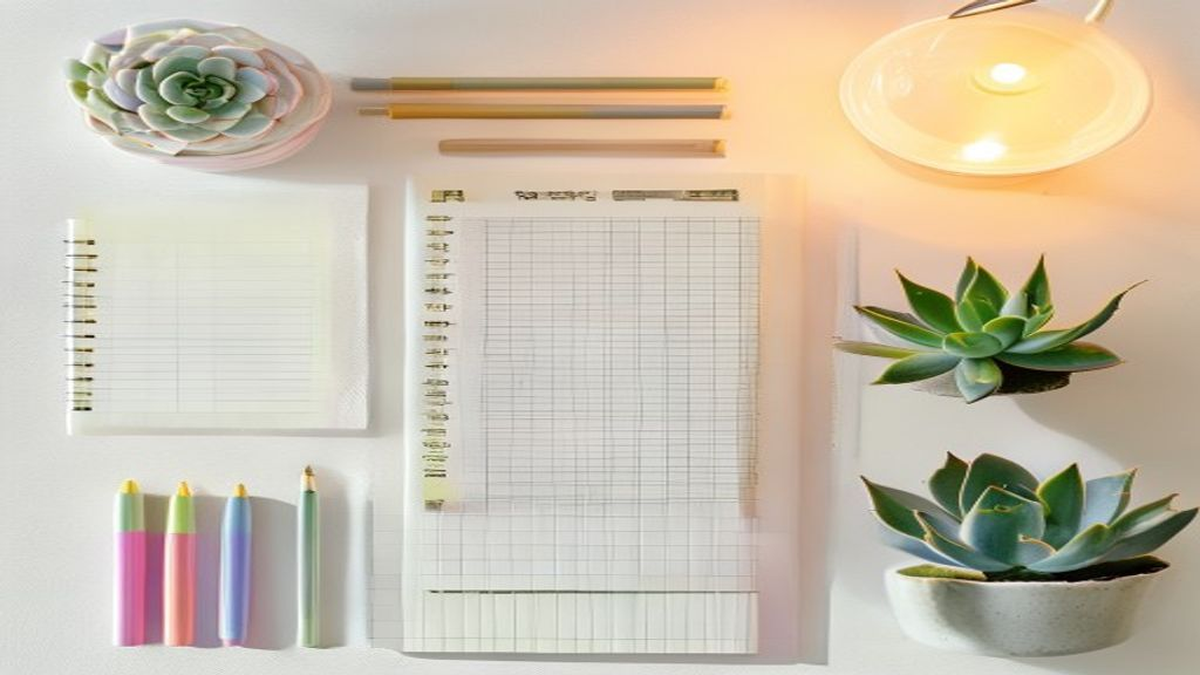
The Aesthetic of Focus: A Guide to Korean Stationery and Study Culture
If you walk into a large bookstore in a Korean neighborhood—like the sprawling Kyobo Book Centre in Gwanghwamun or even a local branch of Alpha—you will notice a specific type of choreography. Students move through the aisles with a quiet, practiced intensity. They are not just buying pens; they are curating a toolkit. In Korea, the environment in which one studies is treated with the same importance as the subject matter itself. This is the world of dakkku (diary decorating) and the rise of the specialized study cafe, two pillars of modern student life that transform the act of learning into a highly visual, structured experience.
The Art of Dakkku: Diaries as Personal Curations
The term dakkku is short for dairigeu kkumigi (diary decorating). While it sounds like a simple hobby, in practice, it is a localized subculture centered on the arrangement of stationery supplies to document one’s daily life.
You will often see this in action at a cafe or a library. A student might pull out a high-quality A5 planner, a set of tweezers, and a small, clear pouch filled with in-se (sticker sheets). They don’t just write down their schedule; they build a spread.
What you might hear: “Today is a dakkku day, I need to finish my layout.” “Did you see the new masking tape drop at the stationery store? It’s perfect for the gamsung (vibe) I want for my August pages.”
In this context, the stationery is not merely functional. The “right” pen—usually a gel ink pen with a precise tip between 0.38mm and 0.5mm—is chosen for its ability to create clean, legible lines. The diary is a place to track gong-bu (study) hours, meal logs, and to-do lists, but the aesthetic effort invested in the page makes the mundane tracking of tasks feel like a creative outlet.
When you see a classmate or a colleague carefully sticking a tiny, transparent floral decal onto their calendar, you are witnessing dakkku. It is a way to claim ownership over a day, turning a standard schedule into a visual object.

The Study Cafe: A Third Space for Focus
While libraries remain, the study kafe (study cafe) has become the dominant setting for concentrated work. These are not traditional coffee shops where the noise of an espresso machine or social chatter provides a backdrop. They are managed, quiet-focused spaces that operate as a hybrid between a library and a high-end lounge.
When you enter a study cafe, you typically use a self-service kiosk at the entrance. You select a seat—often a “cube” style desk with high walls for privacy—and pay for a block of time, such as two, four, or eight hours.
The setup often looks like this:
- The Locker: You leave your heavier books in a rented locker on-site.
- The Desk: A desk lamp with adjustable color temperatures (cool white for focus, warm yellow for comfort).
- The Amenities: A shared lounge area with a coffee machine, a printer, and a bin for communal stationery supplies like staplers or tape dispensers.
You might hear a student say: “I’m going to spend the weekend at the study cafe near the station. It’s too hot to focus at home, and the air conditioning is perfect there.”
The culture here is one of “silent companionship.” You are surrounded by dozens of others working in total silence, which creates a psychological incentive to keep your own head down and stay on task. If someone is seen whispering or taking a phone call, they are quickly reminded by posted rules or a staff member that the space is reserved for jip-jung (focus).
Stationery as a Tool of Identity
The sheer variety of stationery available in Korea reflects a high demand for organization. Walk into a dedicated stationery section, and you will see juldde-ja (grid rulers), hyeong-gwang-pen (highlighters) in muted, earthy tones rather than just neon, and in-dex (sticky page markers).
The use of these tools is often highly structured. For instance, color-coding is a standard practice, but it is executed with a specific visual hierarchy. A student might use a cool grey highlighter for finished tasks and a soft yellow one for upcoming deadlines. It is a system that emphasizes clarity and visual order.
A typical observation: You are sitting across from someone in a library or study cafe. They have four different highlighters lined up perfectly at the corner of their desk. They pick one up, mark a single line in a textbook, and return it to the exact spot. They aren’t just reading; they are processing the information through a specific organizational flow.
This is why stationery stores are often packed during the transition between semesters. It is the time for a “refresh”—buying new planners, new pens, and new organizational tools to signal a fresh start to the academic term. It’s a quiet, tactile ritual of preparation.
Navigating the Environment
If you find yourself in a space where these trends are present, you will quickly notice how the “vibe” of the stationery reflects the goal of the user. In Korea, the design of a pen or a notebook often favors minimalism. The aesthetic isn’t about being loud; it’s about being “clean”—a concept often referred to as kkeul-laen (clean) or sim-peul (simple).
If you are visiting a stationery section, you will see this in the packaging: transparent plastics, matte finishes, and muted color palettes. A notebook with a simple, sturdy binding and high-quality paper is often considered the “gold standard” for a serious student.
This environment is designed to minimize distractions. When everything on your desk has a place and a purpose—from the specific index card to the type of pen used for annotations—the physical environment supports the mental state required for deep work.
The next time you see a student surrounded by a carefully arranged set of pens and a diary filled with precise, color-coordinated entries, you aren’t just looking at a trend. You are looking at a well-established method of navigating the day. It is a way of creating a small, ordered world in the middle of a busy schedule. Whether they are decorating a planner for the week ahead or settling into a private cubicle in a study cafe, the goal remains the same: a quiet, focused, and beautifully organized life.