Korean Hanbok Fashion: Cultural Renaissance
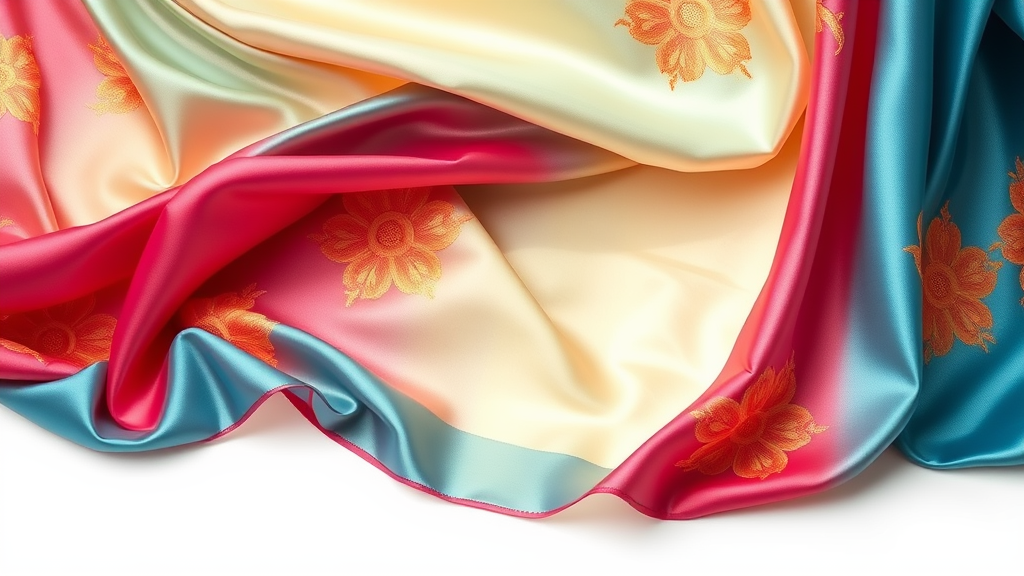
Unveiling the Soul of Korea: The Enduring Beauty of Korean Hanbok Fashion
Stepping into the world of Korean Hanbok Fashion is like taking a breathtaking journey through time, a vibrant exploration of Korea’s heart and soul. More than just clothing, Hanbok (한복) is a living art form, a testament to centuries of tradition, social evolution, and an unyielding spirit of cultural identity. For those of us who adore K-culture, understanding Hanbok isn’t just about admiring its beautiful silhouette; it’s about connecting with the very essence of Korea itself. Today, we’re diving deep into the history, the artistry, and the incredible modern reinterpretation that has made Korean Hanbok fashion a global sensation, touching hearts from ancient palaces to international runways.
From Royalty to Commoners: The Roots of Korean Hanbok Fashion (한복의 뿌리: 신분과 계급을 넘어)
The story of Korean Hanbok fashion is as intricate and layered as the garments themselves, deeply interwoven with the nation’s social fabric and historical shifts. From its earliest forms to the iconic styles of the Joseon Dynasty, Hanbok has always been a powerful visual language, speaking volumes about the wearer’s status, gender, and even their aspirations.
The Ancient Silhouettes: Goguryeo, Baekje, Silla (고대 삼국의 실루엣)
While often associated with the Joseon era, the fundamental components of Korean Hanbok fashion have roots stretching back thousands of years. Early evidence, found in murals from the Goguryeo (고구려) kingdom (37 BCE – 668 CE), already shows people wearing what we would recognize as the basic elements of Hanbok: a short, jacket-like top called a jeogori (저고리), and wide trousers known as baji (바지) for men, or long skirts, chima (치마), for women. These initial forms were practical, designed for a nomadic lifestyle and horseback riding, reflecting influences from Scythian and Siberian nomadic cultures.
During the Three Kingdoms period (Goguryeo, Baekje (백제), and Silla (신라), 57 BCE – 668 CE), the styles began to evolve, becoming more refined. The Silla kingdom, particularly after unifying the peninsula, saw an increased influence from Tang Dynasty China, which introduced more voluminous silhouettes and vibrant colors. However, Korean designers consistently adapted these foreign influences to suit local tastes and functional needs, ensuring that a distinct Korean aesthetic always prevailed. The elegance of the Silla period, for instance, can be seen in its intricate gold and silver accessories, even as the core structure of the jeogori and chima remained. This early adaptability set the stage for the continuous evolution of Korean Hanbok fashion.
Joseon Dynasty: The Golden Age of Hanbok (조선시대: 한복의 황금기)
The Joseon Dynasty (1392-1897) is widely considered the golden age of Korean Hanbok fashion, establishing the iconic silhouette most people recognize today. During this era, Hanbok became deeply intertwined with Confucian social hierarchy and strict sumptuary laws. Every detail, from the length of the jeogori to the color and fabric, conveyed information about the wearer’s social status, age, marital status, and profession.
For women, the chima became fuller and longer, often worn with multiple layers to create an elegant, bell-like shape. The jeogori gradually shortened, exposing more of the chima and emphasizing the waistline. Noblewomen wore elaborately embroidered dangui (당의), a ceremonial court jacket, and adorned their braided hair with exquisite binyeo (비녀) — ornamental hairpins often signifying marital status. The colors were rich and vibrant, often incorporating the traditional Obangsaek (오방색), the five cardinal colors (blue, red, yellow, white, black), each carrying symbolic meaning. For example, red was associated with good fortune and protection, while blue symbolized stability and harmony.
Men’s Korean Hanbok fashion also showcased distinct differences based on class. Scholars and officials wore dopo (도포) — wide-sleeved overcoats — and distinctive gat (갓) — horsehair hats that became an unmistakable symbol of Joseon scholarly gentlemen. Commoners were restricted to simpler, un-dyed fabrics like white cotton or hemp, and their clothing was less voluminous, focusing on practicality for manual labor. Despite these restrictions, even commoners’ Hanbok retained the core aesthetic of comfort and grace, demonstrating the universal appeal of this traditional dress. The strict adherence to these clothing codes made Hanbok a powerful visual tool for maintaining social order, but it also fostered a unique sense of beauty within these defined parameters, solidifying the classic look of Korean Hanbok fashion.
The Hanbok’s Journey Through Modernity (현대로의 전환)
As the 20th century dawned, Korea underwent rapid modernization and Westernization. Western-style clothing was adopted, especially by the educated elite, symbolizing progress and modernity. Hanbok began to be perceived as impractical for daily life, cumbersome, and a relic of the past. Its use dwindled, largely relegated to ceremonial occasions and traditional holidays. This period marked a significant challenge for Korean Hanbok fashion, threatening to relegate it to museums.
However, the enduring spirit of Korean culture ensured its survival. During the mid-20th century, particularly after the Korean War, there were conscious efforts by cultural preservationists and designers to revive Hanbok. They sought to adapt it for contemporary use while maintaining its intrinsic beauty. This preservation movement laid the groundwork for the incredible resurgence and reinterpretation of Korean Hanbok fashion we see today, setting the stage for its modern renaissance and solidifying its place as a symbol of national pride.
A Canvas Reimagined: Modern Korean Hanbok Fashion (현대 한복: 새로운 해석의 캔버스)
The 21st century has witnessed an astonishing revival of Korean Hanbok fashion, transforming it from a historical garment into a dynamic symbol of cultural pride and contemporary style. Designers, artists, and everyday Koreans are breathing new life into this traditional attire, proving its versatility and timeless appeal.
Breaking Boundaries: Hanbok Goes Contemporary (한복, 경계를 허물다)
The most exciting development in modern Korean Hanbok fashion is the rise of Saenghwal Hanbok (생활 한복), or “daily life Hanbok.” Recognizing the need for comfort and practicality in a fast-paced world, designers began reimagining Hanbok with lighter fabrics, simplified designs, and modern cuts. No longer constrained by strict traditions, these contemporary Hanboks incorporate elements like shorter skirts, pants, blouses, and even outer jackets reminiscent of blazers or cardigans. Materials like linen, cotton, and modern blends replace the more formal silks and brocades, making them easy to wear and care for.
Saenghwal Hanbok has become incredibly popular among younger generations, who embrace it not just for special occasions but also as fashionable daily wear. You can see people sporting stylish Hanbok-inspired outfits in trendy Seoul neighborhoods, in cafes, and even at universities. This movement demonstrates that Korean Hanbok fashion is not just about looking back; it’s about moving forward, proving that tradition can be both respected and reinterpreted for a new era. This contemporary adaptation has allowed Hanbok to seamlessly blend into various fashion contexts, from street style to high fashion editorials, broadening its appeal and solidifying its place in modern wardrobes.
The Bridal Revolution: Hanbok in Weddings (웨딩 한복: 전통과 현대의 조화)
Weddings in Korea are a beautiful blend of old and new, and Korean Hanbok fashion plays a central, evolving role. While many modern couples opt for Western-style white wedding dresses and suits for part of their ceremony, the traditional Korean wedding ceremony (Jeontong Honrye - 전통 혼례) is almost always celebrated in exquisite Hanbok. The bride typically wears a richly adorned, often red or green hwarot or won-sam (ceremonial robes), with elaborate headpieces, while the groom dons a gwanbok (official’s robe).
Beyond the traditional ceremony, modern Korean Hanbok fashion has found its way into pre-wedding photoshoots, which are incredibly popular. Couples often pose in stunning, custom-designed Hanboks that blend traditional aesthetics with contemporary flair. These “wedding Hanboks” feature softer color palettes, delicate embroidery, and sometimes even innovative silhouettes that merge the voluminous chima with a more fitted jeogori or incorporate Western elements like lace and sheer fabrics. Some brides even choose to wear a contemporary Hanbok for a segment of their main wedding reception, showcasing their cultural heritage in a chic and elegant manner. This fusion highlights how Hanbok is adapting to modern tastes while retaining its profound significance in life’s most cherished moments.
Celebrations and Festivals: Hanbok’s Vibrant Presence (축제와 문화: 한복의 생동감)
If you’ve ever dreamed of experiencing Korea’s rich culture firsthand, you’ll know that holidays and festivals are when Korean Hanbok fashion truly shines. During major holidays like Chuseok (추석, the harvest festival) and Seollal (설날, Lunar New Year), families gather, perform ancestral rites, and often dress in their finest Hanboks. The vibrant colors and elegant lines create a spectacular visual feast, embodying a deep sense of shared heritage and joy.
Beyond family gatherings, Hanbok has become an integral part of cultural tourism and events. Visiting historical sites like Gyeongbokgung Palace (경복궁) or traditional villages like Bukchon Hanok Maeul (한옥마을) in Seoul offers a unique opportunity to rent and wear Hanbok. This experience allows tourists to immerse themselves in history, creating stunning photo opportunities and a deeper connection to Korean heritage. The sight of countless people, both Koreans and foreigners, strolling through ancient palaces in colorful Hanboks is a testament to its widespread appeal and its role in connecting people to Korea’s past.
Furthermore, Korean Hanbok fashion has made its mark in the global entertainment industry. K-pop idols often incorporate Hanbok-inspired elements into their stage costumes and music videos, blending traditional aesthetics with edgy, modern concepts. K-dramas, especially historical ones, showcase the breathtaking beauty and intricate details of period Hanbok, captivating international audiences and sparking global interest. These appearances not only celebrate Hanbok but also demonstrate its versatility and ability to transcend cultural boundaries, proving that its elegance is universally appreciated.
Hanbok: A Symbol of Korean Identity and Pride (한국 정체성의 상징, 한복)
More than just a beautiful garment, Hanbok has emerged as a powerful emblem of Korean identity, undergoing a remarkable renaissance that bridges its ancient past with a dynamic present. It’s a symbol that resonates deeply with Koreans and increasingly captivates the world.
Bridging Past and Present (과거와 현재를 잇는 다리)
For Koreans, wearing Hanbok is often an emotional experience, a tangible connection to their ancestors and the rich tapestry of their history. It evokes a sense of nostalgia, cultural pride, and belonging. In a rapidly globalizing world, Hanbok serves as a anchor, reminding Koreans of their unique heritage and the resilience of their culture. Each intricate stitch, each flowing line, tells a story of generations past, of their struggles, triumphs, and artistic expressions.
This connection isn’t just about preserving tradition; it’s about actively participating in it. When a young person chooses to wear Saenghwal Hanbok to a cafe, or a family dresses in formal Hanbok for Chuseok, they are not merely wearing clothes; they are embodying their identity, expressing pride in their roots, and contributing to the ongoing narrative of Korean Hanbok fashion. It represents a conscious decision to embrace and celebrate what makes Korea unique, fostering a collective spirit that transcends individual differences. This profound connection ensures that Hanbok remains a cherished and evolving part of the Korean psyche, continually reinforced by new generations embracing their cultural attire.
Global Spotlight: Hanbok on the World Stage (세계 무대의 한복)
The rise of Hallyu (한류), the Korean Wave, has shone an unprecedented global spotlight on all aspects of Korean culture, and Korean Hanbok fashion is no exception. International fashion shows now feature Hanbok-inspired collections, with renowned designers drawing inspiration from its distinctive silhouettes, vibrant colors, and elegant lines. Celebrities and public figures around the world have been seen donning modern Hanbok, further elevating its status and appeal.
This global recognition isn’t just about superficial trends; it’s about a growing appreciation for the artistry, history, and cultural significance behind Hanbok. From its distinctive jeogori and voluminous chima to the intricate details of a baeja (short vest) or the graceful sway of a dopo, each element of Korean Hanbok fashion is now being admired on a global scale. This international embrace helps to solidify Hanbok’s position not just as a national costume, but as a universally admired piece of fashion history and a symbol of Korea’s soft power. It introduces millions to the elegance and depth of Korean aesthetics, inspiring cultural exchange and understanding.
The Future of Korean Hanbok Fashion (한복 패션의 미래)
The journey of Korean Hanbok fashion is far from over; it’s a narrative that continues to unfold with exciting new chapters. Designers are constantly innovating, experimenting with sustainable materials, fusion styles, and cutting-edge interpretations that push the boundaries while respecting the core essence of Hanbok. They are exploring digital Hanbok, creating virtual garments that can be experienced in the metaverse, and incorporating advanced textile technologies to enhance comfort and durability.
Young Korean designers, often educated in global fashion capitals, are bringing fresh perspectives, infusing Hanbok with contemporary sensibilities that appeal to a global youth market. They are deconstructing and reconstructing, playing with traditional patterns and motifs in novel ways, ensuring that Korean Hanbok fashion remains relevant, exciting, and accessible for future generations. The future promises a continued evolution, where tradition and innovation dance in harmony, ensuring that Hanbok remains a vibrant, cherished, and ever-evolving symbol of Korean culture on the global stage. This ongoing adaptation guarantees that Hanbok will not only survive but thrive, continuing to enchant and inspire.
Embrace the Elegance: Your Journey into Korean Hanbok Fashion Awaits!
From its ancient origins reflecting strict social codes to its dazzling modern reinterpretations gracing fashion weeks and K-pop stages, Korean Hanbok Fashion tells a captivating story of resilience, beauty, and cultural pride. It has journeyed through centuries, adapting, evolving, and ultimately re-establishing itself not just as traditional attire, but as a dynamic symbol of Korean identity and a celebrated icon in global fashion.
Whether you’re exploring the majestic palaces of Seoul, celebrating Seollal with new friends, or simply admiring its elegance in your favorite K-drama, Hanbok invites you to connect with the soul of Korea. It’s a bridge between past and present, a canvas of artistry, and a powerful statement of heritage.
Have you ever worn a Hanbok? What’s your favorite style of Korean Hanbok fashion? Share your experiences and thoughts in the comments below! Let’s keep the K-VIBE alive and celebrate the timeless beauty of Hanbok together!