Korean Fried Chicken: A Way of Life
Korean Fried Chicken: More Than Just a Meal, It’s a Cultural Phenomenon!
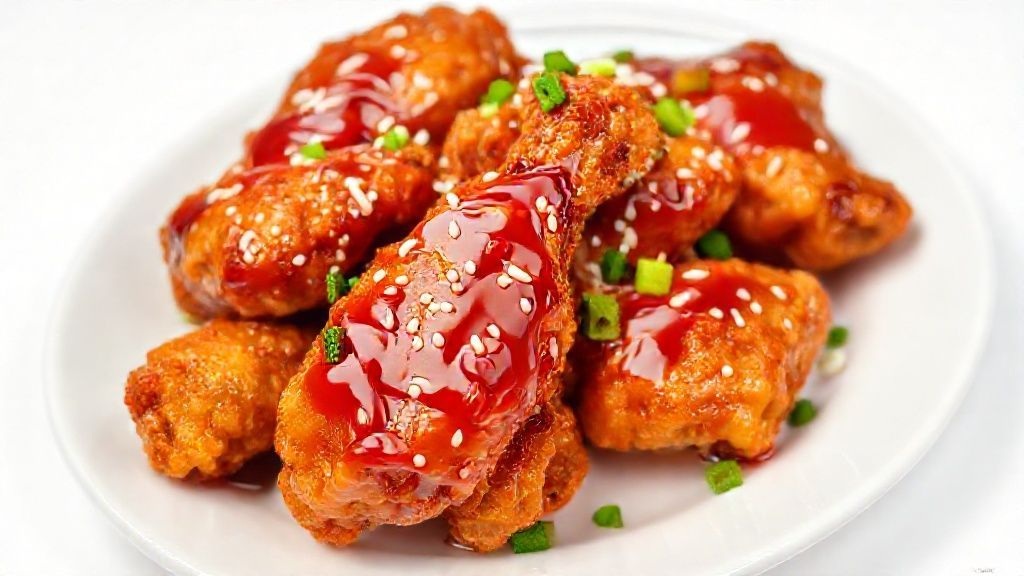
Hey K-VIBE fam! What’s the first thing that comes to mind when you think of comfort food? For many around the globe, it might be pizza, a hearty burger, or even a warm bowl of pasta. But if you ask anyone in Korea, or anyone who’s truly experienced the delights of Korean cuisine, there’s one answer that reigns supreme: Korean Fried Chicken (KFC)! This isn’t just a simple dish; it’s a crispy, flavorful, deeply ingrained part of modern Korean culture, an experience that transcends mere eating. From late-night study sessions to celebratory gatherings, Korean Fried Chicken has evolved from a popular snack to an essential cornerstone of the Korean lifestyle, often enjoyed with a cold beer in what’s famously known as “Chi-맥” (chimaek) culture. So, grab a napkin, because we’re about to dive deep into how this humble fried bird became a global superstar and a true cultural phenomenon, fueled by innovative flavors and the magic of delivery apps.
The Golden Crispy Secret: What Makes Korean Fried Chicken Unique?
When you first bite into a piece of Korean Fried Chicken, you’ll immediately notice something profoundly different. It’s not just “fried chicken”; it’s an art form, a culinary symphony perfected over decades. The texture, the flavor, the sheer variety—it all contributes to an experience that sets it apart from its Western counterparts. It’s no wonder that once you try it, you’re forever craving that unmistakable Korean crunch.
Double-Frying Magic: The Ultimate Basak-Basak Crunch
The cornerstone of authentic Korean Fried Chicken is its distinctive double-frying technique. Unlike single-fried methods that can leave chicken greasy and heavy, Korean chefs meticulously fry the chicken not once, but twice. The first fry cooks the chicken thoroughly and renders out much of the fat from the skin. After a brief rest, it’s plunged back into hot oil for a second fry, achieving an incredibly thin, almost shatteringly crisp skin that locks in the juicy tenderness of the meat. This isn’t just about cooking; it’s about engineering the perfect crunch, a texture Koreans describe as basak-basak (바삭바삭) – a delightful onomatopoeia for that supremely crispy sound. This unique method ensures that even when coated in sauces, the skin retains its delightful crunch, making every bite an experience in textural bliss. It’s a testament to the meticulous attention to detail that Korean cuisine is renowned for.
A Symphony of Flavors: Sauces Galore
While the perfect crunch is key, the diverse range of sauces is where Korean Fried Chicken truly shines and differentiates itself. Forget plain; Korea offers an entire spectrum of flavors designed to tantalize every palate. The most iconic is arguably Yangnyeom-chikin (양념치킨), a sweet, spicy, and tangy sauce often made with gochujang (Korean chili paste), garlic, soy sauce, and honey. It’s a flavor explosion that perfectly balances heat with a delightful sweetness. Then there’s Ganjang-chikin (간장치킨), a savory soy garlic sauce that’s less spicy but equally addictive, offering a rich umami depth. But the innovation doesn’t stop there. You’ll find everything from honey butter and cheese pull to intensely spicy “fire” chicken, onion cream, and even variations infused with regional Korean ingredients. Many chikin-jip (치킨집) or chicken shops offer “half-and-half” (반반, banban) options, allowing customers to enjoy two different flavors in one order, catering to indecisive eaters or groups with varying preferences. This constant evolution of flavors ensures that there’s always something new and exciting to try, keeping the Korean Fried Chicken scene vibrant and endlessly appealing.
Quality Ingredients and Freshness
Beyond the cooking method and sauces, the quality of ingredients plays a crucial role in the superior taste of Korean Fried Chicken. Korean chicken shops place a high emphasis on using fresh, locally sourced chicken. Many establishments pride themselves on using chicken that is delivered daily, ensuring optimal freshness and flavor. The chicken is often marinated for hours in a blend of spices, garlic, ginger, and sometimes rice wine or milk, which tenderizes the meat and infuses it with flavor even before frying. The choice of oil is also significant; many shops use healthier oils or blends that contribute to the lighter, less greasy feel of the finished product. This dedication to fresh ingredients, meticulous marination, and precise preparation contributes to a consistently high-quality product that resonates with discerning palates. It’s not just fast food; it’s a commitment to culinary excellence that elevates Korean Fried Chicken to a gourmet experience, making it a beloved staple across all demographics.
Beyond the Plate: The Birth of Chi-맥 Culture
Korean Fried Chicken is rarely eaten in isolation. It’s a social food, deeply intertwined with specific rituals and pairings that have created a unique cultural phenomenon: Chi-맥 (치맥). This simple combination of chicken and beer isnates with the core of modern Korean social life, embodying relaxation, celebration, and camaraderie. It’s more than just a meal; it’s an experience that brings people together.
A Match Made in Heaven: Chicken and Beer (Chimaek)
The term chimaek (치맥) is a portmanteau of “chicken” (chikin) and “beer” (maekju), and it represents one of Korea’s most cherished culinary pairings. Imagine a warm summer night, a group of friends gathered, laughter echoing, and in the center of it all: a platter of crispy Korean Fried Chicken alongside frosty mugs of cold beer. The rich, savory, and sometimes spicy flavors of the chicken are perfectly complemented by the crisp, refreshing bitterness of beer, creating a harmonious balance that cleanses the palate and invites another bite, another sip. This pairing isn’t just about taste; it’s about the feeling it evokes. It’s a go-to for casual get-togethers, post-work wind-downs, and weekend treats. Chimaek culture isn’t confined to restaurants; it thrives at baseball games, riverside parks, and even on rooftops. It’s an accessible luxury, a little slice of happiness that’s affordable and universally enjoyed, symbolizing a moment of collective relaxation and enjoyment.
Social Bonding and Everyday Rituals
Chimaek isn’t just about eating and drinking; it’s a powerful catalyst for social bonding and a beloved everyday ritual in Korea. For office workers, it can be an informal hoeshik (회식), a company dinner or gathering that allows colleagues to unwind and connect outside of the formal work environment. For students, it’s the perfect fuel for late-night study sessions or a celebratory treat after exams. For families, it’s a convenient and universally loved meal for movie nights or weekend gatherings. Korean Fried Chicken often comes with pickled radish (mu, 무) and sometimes a side of 콜라 (kolla, cola) or other soft drinks, ensuring a complete and satisfying experience. The act of sharing a platter of chicken, debating which flavor to choose, and clinking glasses of beer fosters a sense of community and shared joy. It embodies the concept of sohwakhaeng (소확행) – “small, certain happiness” – the pursuit of simple, achievable joys that bring contentment to daily life. This collective joy is what elevates Korean Fried Chicken from mere sustenance to a significant cultural touchstone.
From Casual Eateries to Upscale Bistros
The versatility of Korean Fried Chicken is reflected in the wide range of establishments that serve it. Originally, chicken shops were modest, local eateries, often simple and unpretentious. Today, while these beloved neighborhood chikin-jip still thrive, the market has expanded dramatically. You can find sophisticated chimaek bistros with curated beer selections and artisanal chicken flavors, trendy cafes offering unique fusion Korean Fried Chicken dishes, and even high-end restaurants incorporating it into their menus as a gourmet item. This evolution speaks to the dish’s enduring popularity and its ability to adapt to different dining preferences and atmospheres. Whether you’re looking for a quick, casual bite or a more upscale dining experience, there’s a Korean Fried Chicken spot perfectly suited for the occasion. This broad appeal underscores its status not just as a national dish, but as a flexible and integral part of Korea’s dynamic culinary landscape.
The Digital Revolution: Korean Fried Chicken and Delivery Apps
If chimaek cemented Korean Fried Chicken in the hearts of Koreans, then the rise of delivery apps catapulted it into an unparalleled realm of convenience and accessibility, making it an indispensable part of modern Korean urban life. Korea is a global leader in delivery services, and Korean Fried Chicken was one of the first and most enthusiastic adopters of this digital revolution, forever changing how people interact with their favorite comfort food.
The Dawn of Hyper-Convenience (Baedal)
Korea’s baedal (배달) culture—its renowned delivery service—is nothing short of legendary, and Korean Fried Chicken sits at its very core. Long before the global boom in food delivery, Korea had an incredibly robust and efficient system, and chicken was one of its primary beneficiaries. The advent of smartphone apps like Baemin (배달의민족, Baedalui Minjok) and Yogiyo (요기요) didn’t just digitize an existing service; it revolutionized it. With a few taps on a smartphone, you could order any style of Korean Fried Chicken from countless chikin-jip and have it arrive at your door, often within 30 minutes, impeccably packaged and still hot. This hyper-convenience meant that fried chicken wasn’t just for dining out anymore; it was for spontaneous cravings, late-night hunger pangs, and effortless gatherings at home. This seamless integration of technology and food profoundly impacted daily life, turning Korean Fried Chicken into the ultimate anytime, anywhere meal, reflecting Korea’s fast-paced, tech-savvy society.
A Nation’s Nightlife, Delivered to Your Door (Yasik)
Korean Fried Chicken is the undisputed king of yasik (야식), or late-night snacks. Korea is a vibrant 24/7 society, and after a long day of work or study, there’s nothing quite like indulging in a satisfying, flavorful meal that arrives right at your doorstep. Delivery apps have made this tradition even more accessible and prevalent. Whether it’s 10 PM or 2 AM, the promise of a hot, crispy platter of huraideu (후라이드) or yangnyeom-chikin is just a few taps away. This ubiquity means that Korean Fried Chicken isn’t just food; it’s a comforting presence, a reliable companion for those late nights. It’s the ultimate pick-me-up after a demanding day, a treat during a Netflix binge, or the perfect accompaniment for a gaming session with friends. The convenience of delivery has integrated Korean Fried Chicken deeply into the fabric of Korean nightlife, solidifying its role as an essential part of the modern Korean lifestyle, available literally any time the craving strikes.
The K-Drama Effect and Global Craze (Deurama)
The popularity of Korean Fried Chicken has transcended national borders, largely thanks to the global phenomenon of K-Drama (드라마) and K-Pop. International viewers of hit K-Dramas have often seen their favorite characters bonding over chimaek scenes, devouring plates of crispy chicken and washing it down with beer. Iconic scenes, such as those in “My Love from the Star” where the main characters frequently indulged in chicken and beer, sparked a massive surge in interest among international fans. This media exposure transformed Korean Fried Chicken from a local delicacy into a global culinary icon. Suddenly, people worldwide weren’t just curious about Korean culture; they wanted to taste it. This cinematic endorsement, combined with the power of social media, led to the proliferation of Korean Fried Chicken restaurants in major cities across the globe. What was once a Korean secret is now a universally recognized and celebrated dish, demonstrating the incredible power of cultural exports and the undeniable appeal of good food. The global craze for Korean Fried Chicken is a testament to its deliciousness and the widespread influence of the Korean Wave (Hallyu).
A Taste of Modern Korea: Korean Fried Chicken as a Lifestyle
Korean Fried Chicken has become more than just a dish; it’s a reflection of modern Korean society, embodying its values of community, comfort, and constant innovation. It’s a culinary mirror, showcasing how food can deeply intertwine with national identity and daily life, symbolizing everything from communal gatherings to individual moments of joy.
Comfort, Celebration, and Community (Jeong)
At its heart, Korean Fried Chicken embodies jeong (정), a uniquely Korean concept referring to deep affection, emotional attachment, and a sense of shared community. It’s the food you share with loved ones during celebrations – birthdays, promotions, or simply a happy weekend. It’s the comfort food you turn to after a long day, the delicious remedy for stress. It acts as a bridge, fostering connections between people. The ritual of ordering and sharing a platter of Korean Fried Chicken with family or friends reinforces bonds, creating shared memories and a sense of belonging. It’s a versatile dish that fits into almost any social context, serving as both a special treat and an everyday staple. This deep emotional connection transforms Korean Fried Chicken from mere sustenance into a cultural emblem, a symbol of togetherness and the warmth of human connection, making it an indispensable part of the Korean social fabric.
The Evolving Landscape of Korean Fried Chicken Brands (Chikin-jip)
The landscape of Korean Fried Chicken is incredibly dynamic, characterized by fierce competition and constant innovation among countless chikin-jip (치킨집) or chicken brands. Major franchises like Kyochon, BHC, BBQ, and Nene Chicken dominate the market, each offering their signature styles, unique sauces, and distinct brand identities. Kyochon is famous for its thin, crispy skin and intensely flavored soy garlic chicken; BHC is known for its wide variety of sauces and creative new menu items; BBQ Chicken prides itself on its olive oil frying method for a healthier crunch; and Nene Chicken is beloved for its generous portions and diverse sauce options. Beyond these giants, countless independent shops thrive, often becoming local legends with their secret family recipes. This intense competition drives innovation, ensuring that the market is always introducing new flavors (신메뉴, shin-menyu), cooking techniques, and even marketing strategies. This vibrant ecosystem means that the consumer is always spoiled for choice, with an endless array of delicious options to explore, keeping the love affair with Korean Fried Chicken perpetually fresh and exciting.
Seasonal Trends and Innovations (Shin-menyu)
Just like fashion or K-Pop, the Korean Fried Chicken scene is constantly evolving with seasonal trends and exciting innovations. Every few months, brands compete to release shin-menyu (신메뉴) or new menu items, often inspired by popular flavors, seasonal ingredients, or even global culinary trends. These innovations can range from limited-edition sauces like truffle or mala (Sichuan peppercorn) to unique chicken preparations like roasted whole chicken or boneless wings with special toppings. Marketing campaigns featuring popular K-Pop idols or K-Drama stars often accompany these new releases, creating buzz and driving consumer curiosity. This continuous cycle of innovation keeps the market vibrant and prevents stagnation, ensuring that there’s always something fresh and exciting for consumers to try. It speaks to the creativity and adaptability of Korean food culture, where a beloved classic can constantly reinvent itself to stay relevant and appealing. The dynamic nature of Korean Fried Chicken isn’t just about food; it’s about a culture that embraces change and consistently seeks to delight its audience.
So, there you have it! Korean Fried Chicken is far more than just a crispy, delicious meal. It’s a symbol of convenience, a pillar of social gatherings, a global culinary ambassador, and a testament to Korea’s vibrant and innovative food culture. From its unique double-fried crunch and endless array of sauces to its indispensable role in chimaek culture and the seamless efficiency of delivery apps, Korean Fried Chicken truly embodies the spirit of modern Korea.
Have you tried Korean Fried Chicken yet? What’s your favorite flavor? Or perhaps you have a memorable chimaek story to share? Let me know in the comments below! Don’t forget to hit that subscribe button for more K-VIBE content, and let’s keep spreading the love for all things Korea! Annyeong!