Jeon: Crafting Seasonal Harvest Pancakes for Gatherings
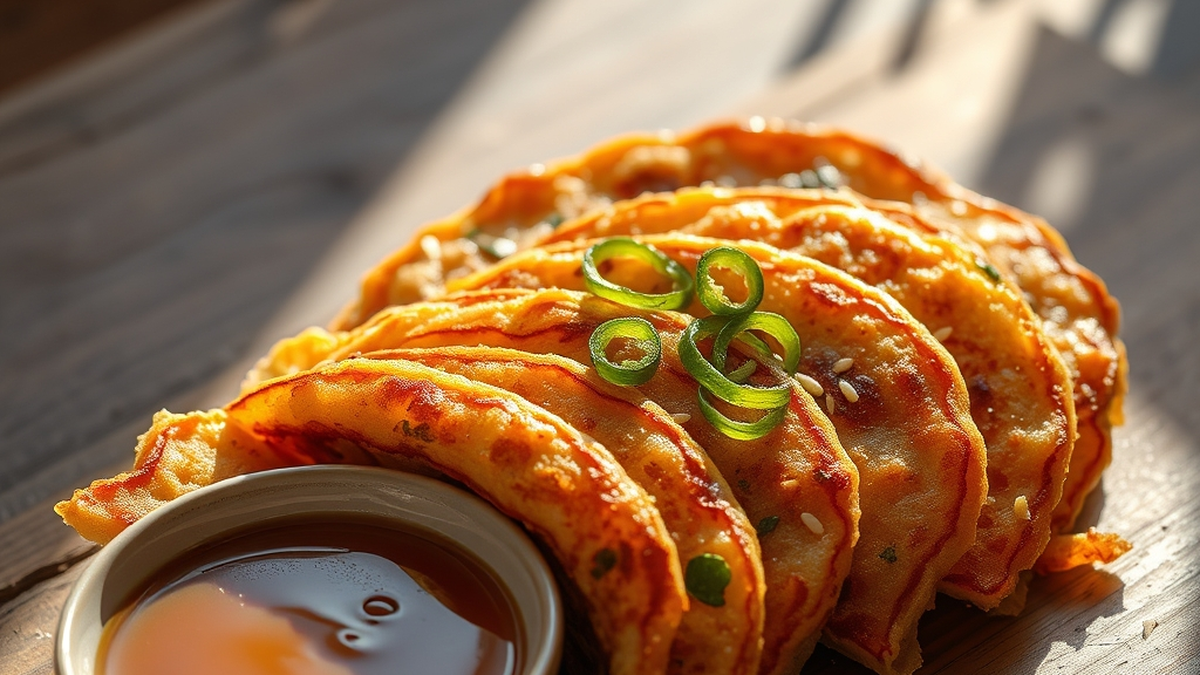
Jeon: The Savory Pancakes of Autumn
In the cool, crisp weeks of autumn in Korea, the kitchen often becomes the focal point of the home. Long before the main meal is served, the air fills with the distinct, golden aroma of sizzling oil and lightly toasted flour. This is the scent of jeon (전)—a diverse category of pan-fried dishes that serve as the backbone of the Korean table, particularly during the harvest season.
While Western culinary traditions might categorize these as pancakes or fritters, doing so ignores their culinary weight. Jeon are not merely light starters or snacks. They are centerpiece preparations that mark the passage of time, the changing of the harvest, and the communal effort required to feed a family during holidays like Chuseok (the mid-autumn harvest festival).
The Ingredients of the Harvest
The beauty of jeon lies in its versatility. In autumn, the Korean markets are flooded with the bounty of the harvest: earth-toned mushrooms, vibrant orange pumpkins, and hardy root vegetables. These ingredients are chosen specifically for their textures and how they hold up to a light coating of flour and egg.
Among the most iconic autumn variations is hobak-jeon (호박전), made from thinly sliced Korean zucchini or sweet, dense winter pumpkin. Unlike Western zucchini, the Korean variety has a delicate, crisp texture when lightly pan-fried, offering a subtle sweetness that pairs perfectly with a savory soy-vinegar dipping sauce.
Equally important are the various mushroom jeon (beoseot-jeon - 버섯전). Varieties like shiitake are often stuffed with a mixture of seasoned minced beef and tofu, dipped in a fine dusting of flour, coated in a beaten egg wash, and slowly pan-fried until the edges are golden. This creates a dish that is substantial enough to act as a main component of a meal. When you see these dishes placed on the table, you are looking at a celebration of the season’s peak productivity.
The Communal Ritual of Frying
If you walk into a traditional Korean home or a bustling professional kitchen during the days leading up to a major holiday, you will notice a rhythmic, collective process. Preparing jeon is rarely a solo endeavor. It is a social, communal task that requires a “factory line” approach.
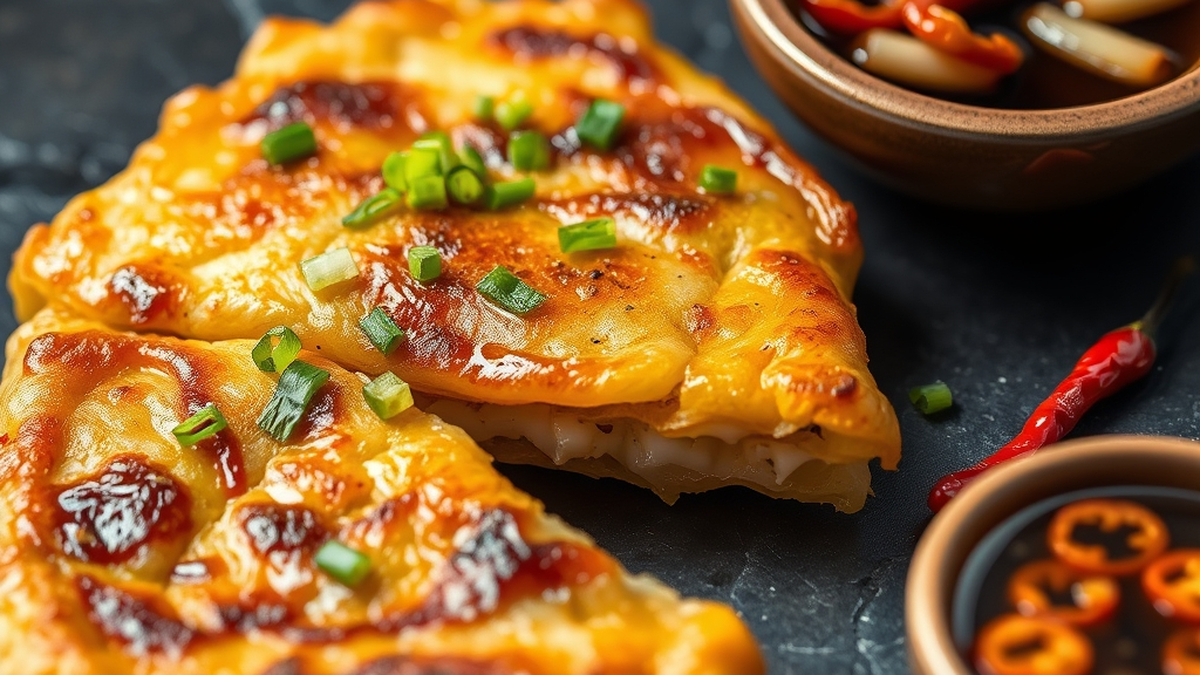
One person is usually responsible for the prep: washing, slicing, and seasoning the vegetables. Another manages the dredging station—the shallow trays of flour and the bowls of seasoned egg wash. The final, and most critical, position is at the stove. Frying jeon requires a steady hand and constant attention. The heat must be controlled carefully so the egg coating sets into a beautiful, golden-yellow layer without burning the delicate ingredients inside.
This preparation serves a social function as much as a culinary one. In many households, this is the time for conversation, catching up, and sharing stories while working. It is a slow, methodical process that bonds the participants through labor. In professional settings, like the specialized jeon shops (jeon-jip - 전집) found in older districts of Seoul, this process is refined into a craft. You will often see cooks working over massive, flat griddles, flipping dozens of pancakes in perfect synchronization, their movements polished by years of practice.
The Role of Jeon on the Table
To understand jeon, you must understand its placement in the meal. It is rarely eaten in isolation. During a formal family gathering or a ritual feast, jeon is placed on the table alongside bowls of rice, hearty soups, and an array of banchan (side dishes).
Because jeon is rich and savory, it is often paired with contrasting flavors. The dipping sauce—typically a mixture of soy sauce, vinegar, sesame seeds, and perhaps a slice of chili—is essential. The acidity of the vinegar cuts through the richness of the oil, while the soy sauce provides the saltiness needed to balance the mild flavors of the vegetables.
During autumn, you might also find jeon being served in a more casual setting, such as at a mountain-side tavern after a hike. When the weather turns chilly, a plate of warm, freshly fried jeon is often enjoyed alongside makgeolli (막걸리), a traditional cloudy rice wine. The slight effervescence and sweetness of the rice wine act as a perfect foil for the oily, savory comfort of the fried mushrooms and squash. It is a pairing that feels deeply rooted in the landscape, reflecting the rugged, seasonal reality of Korean life.
Recognizing the Art of the Pan
Once you begin to notice these nuances, you will start to see jeon everywhere. You might spot the distinct, circular yellow slices of hobak-jeon in a cafeteria setting or see the more intricate, meat-stuffed versions being meticulously prepared in a small neighborhood restaurant.
You can identify the quality of a jeon by looking at the coating. A well-made jeon should have a thin, uniform layer of egg that clings to the ingredient without being heavy or doughy. It should be hot, fragrant, and slightly crisp, but never greasy. If you find yourself in a kitchen where the sound of sizzling oil is constant and the smell of toasted egg and seasoned vegetables fills the room, you are witnessing the backbone of Korean hospitality.
It is a humble dish in its components—often just a vegetable, an egg, and a bit of flour—but its role is essential. It provides warmth, substance, and a sense of shared labor. Whether it is part of a grand harvest feast or a quiet evening meal after a long day of autumn rain, the presence of jeon on the table is a clear signal that the kitchen is working, and the family is being well fed.
It is a quiet, reliable pleasure—one that doesn’t demand attention, but quietly sustains the rhythm of daily life throughout the season.