Hotteok: From Street Snack to K-Culture Icon
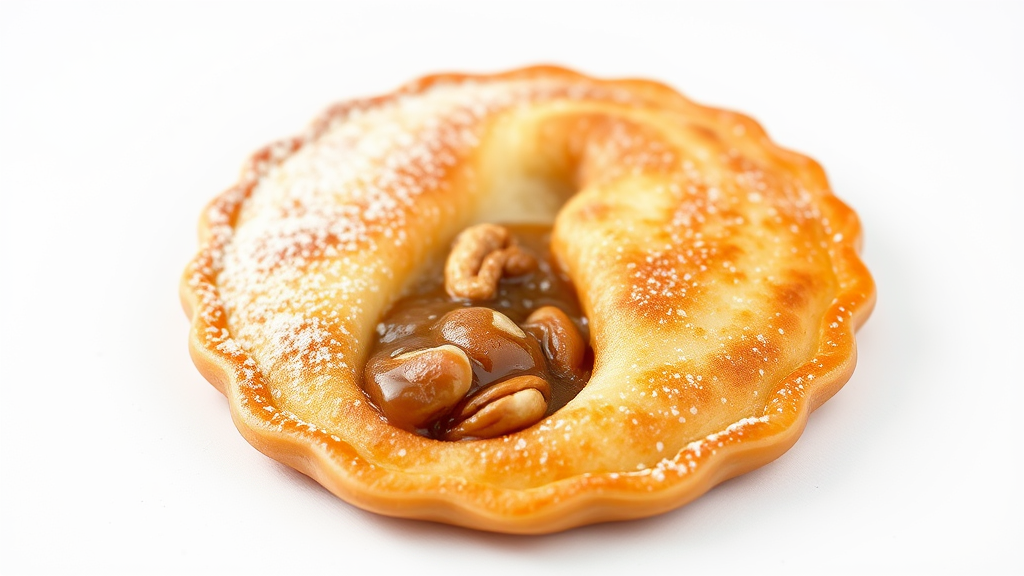
Hotteok: A Golden Hug from Korea’s Winter Streets
When the chilly winds of winter sweep across Korea, there’s one golden-brown, sweet-smelling beacon that calls to every heart, warming hands and souls alike: Hotteok (호떡). This isn’t just a snack; it’s a quintessential winter experience, a symbol of cozy comfort, and a delicious journey through Korea’s rich street food culture. Join me as we unravel the captivating story of Hotteok, from its unexpected origins to its modern-day transformations, discovering how this humble pancake became a cherished “soul food” (소울푸드) for the Korean people and a heartwarming reflection of their seasonal culture and food philosophy.
The Sweet Embrace of History: Hotteok’s Surprising Origins (호떡의 유래)
Imagine standing on a bustling street in the late 19th century Korea. The air is filled with the cacophony of vendors and the scent of unfamiliar spices. Amidst this vibrant scene, something new is cooking, something that would, over time, evolve into the beloved Hotteok we know today. Its story isn’t purely Korean; it’s a testament to cultural exchange and culinary adaptation, a delicious fusion born from the crossroads of history.
A Culinary Crossroads: From China to Korea
The very name Hotteok (호떡) offers a significant clue to its past. The “Ho” (호) in Hotteok literally means “barbarian” or “foreigner” – a historical term often used to refer to people from beyond Korea’s borders, specifically North China. It’s widely believed that the precursor to Hotteok was introduced to Korea by Chinese merchants (청나라 상인) who emigrated during the late 19th and early 20th centuries. These merchants, primarily from regions like Shandong and Tianjin, brought with them their culinary traditions, including a variety of bing (饼) – a type of pan-fried flatbread or pancake.
Initially, these Chinese-style pancakes were often savory, filled with ingredients like meat, vegetables, or bean paste, reflecting the dietary preferences of their homeland. They were typically made with leavened dough, pan-fried until golden, and served as a hearty meal or snack. As these merchants settled in Korea, they opened eateries, introducing these novel foods to the local population. It was here, in the vibrant markets and nascent food scene of turn-of-the-century Korea, that the magic truly began.
The Korean Touch: Sweetening the Deal
While the basic concept of a pan-fried dough parcel arrived with the Chinese merchants, the distinct, sweet identity of Hotteok (호떡) was forged through ingenious Korean adaptation. Koreans, with their inherent love for harmonious flavors and a penchant for incorporating unique twists into imported dishes, began to experiment. The crucial transformation was the introduction of a sweet filling: a molten concoction of brown sugar, often mixed with ground cinnamon, chopped peanuts, and sometimes other seeds.
This innovation was brilliant for several reasons. Firstly, it tapped into a burgeoning Korean sweet tooth and the desire for more dessert-like snacks. Secondly, and perhaps more importantly, the sweet, calorie-dense filling made Hotteok an ideal food for the harsh Korean winters. It provided a quick burst of energy and warmth, perfect for combating the biting cold. The combination of chewy, slightly crispy dough with an explosively sweet, gooey interior was an instant hit. The addition of cinnamon, a spice historically valued for its warming properties, further cemented its status as a winter staple. This marked the birth of the iconic sweet Hotteok (호떡) that tantalizes taste buds across Korea today, a perfect example of how foreign influences can be beautifully reinterpreted to create something uniquely Korean.
A Winter’s Tale: Hotteok as a Cultural Icon (겨울 야시장의 상징)
More than just a delicious treat, Hotteok (호떡) is deeply intertwined with the fabric of Korean winter culture. It’s a sensory experience, a memory-maker, and a symbol of warmth and comfort during the coldest months. When the temperature drops, the sight and smell of Hotteok stands become an integral part of the urban landscape, transforming ordinary streets into bustling, aromatic havens.
The Scent of Winter: Night Markets and Nostalgia
Step into a Korean winter night market (겨울 야시장) and you’ll immediately understand the allure of Hotteok. The air, sharp and bracing, is quickly softened by the billowing steam rising from countless street food stalls. Among them, the Hotteok (호떡) vendors (노점상) stand out, their large, flat griddles (철판) sizzling merrily, a beacon of warmth and light in the darkening evening. The unmistakable aroma of frying dough, caramelized sugar, and cinnamon hangs deliciously in the air, a scent that instantly evokes feelings of nostalgia for many Koreans.
For generations, Hotteok has been an indispensable part of winter outings. It’s the perfect treat to share with friends after school, a warming snack during a chilly date night, or a comforting bite during a festive market stroll with family. The experience of buying Hotteok is itself a cherished ritual: watching the vendor deftly press the dough with a special tool (누름쇠), flipping it until golden, and then, for some varieties, expertly cutting a slit to fill it with seeds. The simple paper cup, often too hot to hold comfortably, becomes a treasured warmth against cold fingers. It’s these small, sensory details that elevate Hotteok from mere food to a deeply ingrained cultural experience, creating lasting memories that connect people to their community and their past. It’s also a common sight around pocha (포차), the small, tented street food stalls where people gather for drinks and snacks, further cementing its role in casual social gatherings.
Hotteok as ‘Soul Food’ for the Common People (서민의 소울푸드)
At its heart, Hotteok (호떡) embodies the spirit of “soul food” (서민의 소울푸드) for Koreans. It’s a humble, unpretentious snack that delivers immense satisfaction without breaking the bank. Historically, and even today, it remains remarkably affordable, making it accessible to everyone, from young children to elderly grandparents (남녀노소). This widespread accessibility is key to its status as a beloved national treasure.
In times of economic hardship, or simply on a tight budget, Hotteok provides a cheap yet incredibly fulfilling burst of energy and joy. It’s a democratic food, available on almost every street corner, from the bustling districts of Seoul to quieter provincial towns. This ubiquity means that almost every Korean has a personal Hotteok story – a memory of sharing one with a loved one, grabbing a quick bite after a long day, or simply indulging in its simple, comforting sweetness during a cold snap. It’s not just about satisfying hunger; it’s about providing a moment of warmth, happiness, and connection, a little piece of edible sunshine on a gray winter day. The pure, unadulterated pleasure derived from a freshly made Hotteok speaks volumes about its power to nourish not just the body, but also the spirit.
The Evolution of Hotteok: From Tradition to Trendsetter (진화 과정)
While the classic sweet Hotteok (호떡) remains eternally popular, this adaptable treat has not rested on its laurels. Modern Korea, ever innovative and eager to push culinary boundaries, has seen Hotteok undergo a remarkable evolution. It has transformed from a simple street snack into a versatile canvas for diverse flavors and textures, delighting new generations and catering to a wider range of palates while maintaining its comforting essence.
Classic Delights: The Original Hotteok (원조 호떡)
Before we dive into the exciting innovations, let’s pay homage to the original, the traditional Hotteok (원조 호떡) that captured hearts for decades. The most famous variation, and perhaps the purest form of Hotteok, is the “seed Hotteok” or Ssiat Hotteok (씨앗 호떡), particularly renowned in Busan. What makes Ssiat Hotteok special is its unique preparation: the dough, filled with the sugar mixture, is pressed flat on the griddle, then, once cooked, a slit is cut along its edge, and a generous handful of sunflower seeds, pumpkin seeds, and other nuts are stuffed inside. This method ensures the seeds retain their crunch, providing a delightful textural contrast to the gooey, molten sugar filling.
The magic of the original Hotteok lies in its exquisite balance: the slightly crispy, chewy exterior giving way to a burst of warm, sweet syrup and the subtle crunch of nuts. It’s a perfect symphony of textures and temperatures – the hot, sweet center contrasting with the slightly cooler, chewy dough. This simple joy, perfected over generations, is the baseline from which all other Hotteok variations have sprung, a testament to the enduring appeal of a well-made classic.
Modern Marvels: Innovative Hotteok Variations (다양한 변형)
Modern Korean food culture thrives on innovation, and Hotteok (호떡) has been a prime candidate for creative reinvention. Today, you can find a dazzling array of Hotteok variations, each offering a unique twist on the beloved classic.
Savory Hotteok (잡채 호떡, 김치 호떡): For those who prefer a less sweet profile, savory Hotteok has gained immense popularity. Japchae Hotteok (잡채 호떡) is filled with stir-fried glass noodles and vegetables (Japchae), offering a savory and slightly sweet flavor. Kimchi Hotteok (김치 호떡) incorporates the tangy, spicy fermented cabbage, Kimchi, providing a vibrant kick that perfectly complements the chewy dough. These savory versions transform Hotteok from a dessert into a substantial meal, demonstrating its incredible versatility.
Sweet Variations (아이스크림 호떡, 치즈 호떡): Even within the sweet category, creativity abounds. Ice Cream Hotteok (아이스크림 호떡) takes the hot-cold contrast to another level, with a scoop of cold vanilla ice cream melting decadently over a freshly made, warm Hotteok. The combination of hot, sweet syrup and cold, creamy ice cream is a sensory delight. Cheese Hotteok (치즈 호떡), another popular variant, often features gooey mozzarella cheese inside, sometimes paired with sweet syrup or honey, offering a delightful savory-sweet stretch with every bite. The melting cheese adds a luxurious, rich texture that has captivated many.
Specialty Doughs (녹차 호떡, 쑥 호떡): The dough itself has become a canvas for innovation. You can find Hotteok made with green tea (Nokcha Hotteok, 녹차 호떡) infused dough, imparting a subtle earthy flavor and a beautiful green hue. Similarly, mugwort (Ssuk Hotteok, 쑥 호떡) Hotteok offers a distinct herbal aroma and a slightly healthier appeal. These variations speak to Korea’s appreciation for natural ingredients and diverse flavor profiles.
DIY Hotteok Kits (호떡 믹스): The love for Hotteok (호떡) is so deep that it’s moved beyond street stalls and into home kitchens. DIY Hotteok kits (Hotteok Mix, 호떡 믹스) are readily available in supermarkets, allowing anyone to recreate the magic of a fresh Hotteok in their own home. These kits typically include pre-mixed dough flour and a separate packet of the sweet sugar filling, making the process simple and enjoyable for families.
Hotteok’s Global Appeal
As Korean culture continues to enchant the world, Hotteok (호떡) is slowly making its way onto the global culinary stage. You can now find it in Korean cafes, restaurants, and food festivals across the globe, often presented as a unique and comforting dessert. Its simple yet profound appeal – a warm, sweet, satisfying bite – transcends cultural boundaries, positioning Hotteok as a strong contender to become a globally recognized and beloved dessert or snack.
Hotteok and Korea’s Food Philosophy (한국인의 계절 문화와 음식 철학)
Beyond its delicious taste and rich history, Hotteok (호떡) serves as a poignant illustration of deeper Korean cultural values, particularly their profound connection to seasonal living and the philosophy of comfort and community through food. Understanding Hotteok is, in many ways, understanding a piece of the Korean soul.
Eating with the Seasons (계절 음식)
Korean cuisine is deeply rooted in the concept of eating with the seasons (Gyejeol Eumshik, 계절 음식). This philosophy emphasizes consuming fresh, seasonal ingredients that are believed to align with the body’s needs during different times of the year. Hotteok (호떡) is a quintessential winter food, perfectly embodying this principle.
In Korea, winter is not just cold; it’s often piercingly frigid. The body naturally craves foods that provide warmth, energy, and comfort. Hotteok, with its hot, gooey, sugar-and-nut filling and substantial dough, delivers precisely that. It’s a quick, delicious source of warmth that combats the cold from within. This practice aligns with the traditional Korean concept of ‘이한치한’ (ihan chi han), which roughly translates to “fighting cold with cold/warmth.” While ‘이열치열’ (iyeolchiyeol - fighting heat with heat) is famously applied to spicy soups in summer, ‘이한치한’ in the context of Hotteok refers to consuming warming foods to brave the winter chill. It’s a pragmatic and enjoyable way to adapt to the harshness of the season, a culinary strategy that has been passed down through generations.
The Philosophy of Comfort and Community (정 - Jeong)
Perhaps the most profound connection of Hotteok (호떡) to Korean culture lies in its embodiment of Jeong (정). Jeong is a complex, deeply ingrained Korean concept that encompasses feelings of affection, warmth, attachment, and deep emotional connection between people. It’s often expressed through thoughtful gestures, and sharing food is one of its most potent forms.
Hotteok is a food that naturally fosters Jeong. It’s often shared, bought for family members, or offered as a simple act of kindness. The act of giving a hot Hotteok to someone on a cold day, or sharing one with friends while huddled together, creates a moment of warmth, both literal and metaphorical. It’s a simple, unpretentious treat that brings people together, sparking conversations and building connections. The shared experience of biting into a freshly made Hotteok, the collective “oohs” and “aahs” as the sweet syrup oozes out, reinforces this sense of community and mutual care.
In a fast-paced modern world, Hotteok (호떡) serves as a delicious reminder of simpler times and fundamental human needs: warmth, comfort, and connection. It’s not just about satisfying hunger; it’s about feeding the soul and nurturing the bonds that tie people together. The unwavering popularity of Hotteok is not merely due to its taste, but because it encapsulates a deeply cherished part of the Korean collective identity – a food that offers solace, joy, and a heartwarming sense of belonging.
Conclusion: A Warm Invitation from Korea
From its humble beginnings as a Chinese immigrant’s pancake to its iconic status as a symbol of Korean winter, Hotteok (호떡) has journeyed through history, evolved with culinary trends, and nestled itself firmly into the hearts of Koreans. It’s more than just a sweet, chewy, syrup-filled delight; it’s a testament to cultural adaptability, a vibrant part of the bustling street food scene, and a profound expression of Korea’s seasonal wisdom and communal spirit, or Jeong (정).
Next time you find yourself dreaming of a cozy winter, imagine the crisp Korean air, the twinkling lights of a night market (야시장), and the irresistible aroma of a freshly cooked Hotteok. Whether it’s the classic Ssiat Hotteok (씨앗 호떡) or a modern savory twist, each bite offers a golden hug, a taste of history, and a generous dollop of Korean warmth.
Have you ever tried Hotteok? Or perhaps you have another favorite Korean street food that brings you comfort? Share your thoughts and culinary adventures in the comments below! I’d love to hear which Korean street eats warm your soul.