A Guide to Hanbok Etiquette: Respecting Korean Tradition
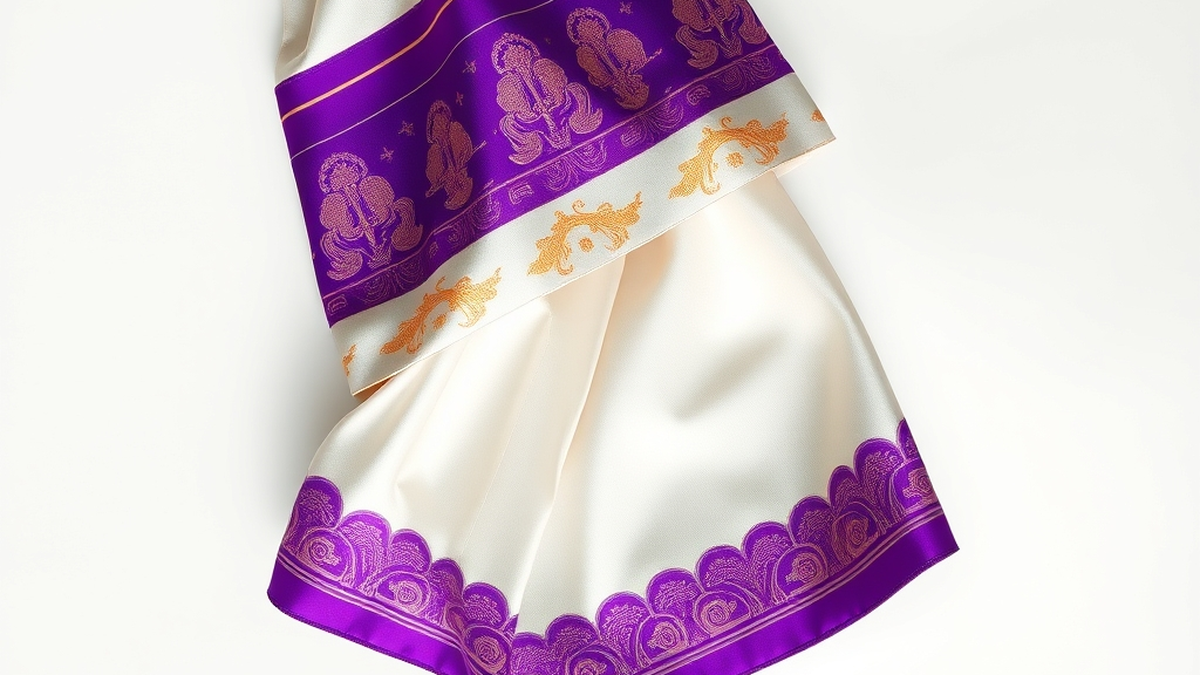
Hanbok Etiquette: Respecting Traditional Attire
The crisp air of September has returned to Seoul, turning the stone-paved walkways of Gyeongbokgung Palace into a runway of flowing silk and vibrant patterns. As the stifling humidity of mid-summer fades, the palace grounds fill with people dressed in Hanbok—the traditional Korean attire characterized by clean lines and striking silhouettes.
For many international visitors, renting a Hanbok is a highlight of their trip. It offers a bridge into the visual history of the peninsula. However, as the sight of tourists in Hanbok becomes a staple of the city’s landscape, the line between appreciating this attire and treating it as a mere photo prop can blur. Understanding the etiquette surrounding Hanbok isn’t about following a rigid rulebook; it is about recognizing the clothing as a form of cultural expression rather than a costume.
The Art of the Fit and the Fastening
If you visit a rental shop near a palace, you will likely encounter staff who are experts at fitting the garments. A proper Hanbok consists of the jeogori (the jacket) and the chima (the skirt) for women, or the jeogori and baji (the trousers) for men.
The first step in showing respect for the attire is acknowledging its structural integrity. Unlike modern fast fashion, Hanbok relies on ties and specific layering to stay in place. When you are being fitted, the staff will often pull the ties of the otgoreum—the ribbon on the jacket—firmly. This isn’t meant to be uncomfortable, but rather to ensure the garment sits in the shape it was designed for.
A common moment of friction occurs when visitors adjust their Hanbok to look more like Western clothing—by leaving the jacket wide open, rolling up the sleeves, or tucking the skirt in ways that alter its intended drape. If you notice your jeogori coming undone, a quick adjustment to the ties is preferred over using safety pins or tape. The silhouette of the Hanbok is designed to be elegant and slightly voluminous. Treating it with care, even if you are only wearing it for a few hours, demonstrates an understanding that this is a garment of history, not just a whimsical set of stage gear.
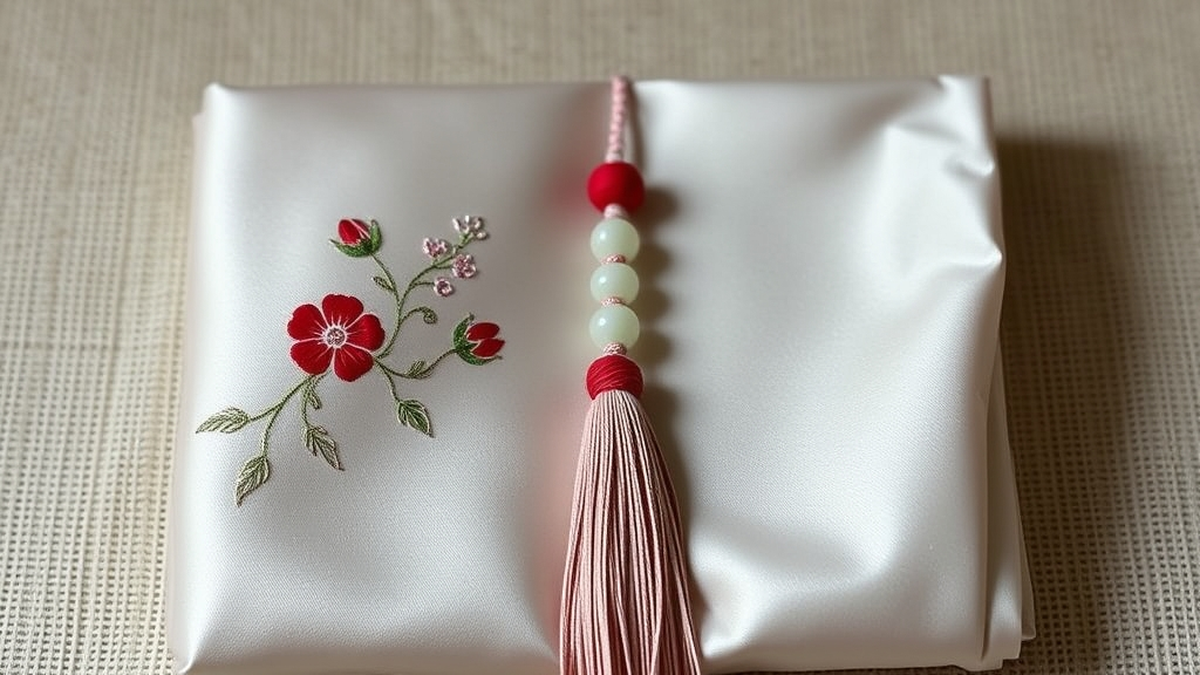
Navigating Public Spaces with Grace
Once you are dressed, you will find yourself in shared public spaces. Whether you are stepping onto a crowded subway train to get to the palace, sitting down for lunch, or wandering through a traditional village like Bukchon, your movement changes.
When sitting in a restaurant, the chima—the voluminous skirt—requires a bit of mindfulness. You may see local elders or people wearing Hanbok for special occasions tucking the fabric carefully around them before taking their seats. They do this to ensure the skirt doesn’t drag on the floor or get caught in chair legs. If you are eating, try to place your napkins or bags in a way that protects the fabric from spills.
The physical scale of the Hanbok also means you occupy more space than usual. In busy areas, be conscious of the train of your skirt or the width of your sleeves when walking through narrow alleyways or crowded cafe doors. It is a small act, but maneuvering through these spaces with a sense of awareness signals to those around you that you are conscious of your attire’s presence in their daily environment.
Beyond the Social Media Frame
The urge to capture the perfect image is natural. The palace grounds are beautiful, and the colors of the Hanbok pop against the dark wood and painted eaves of the pavilions. However, the difference between taking photos in a culture and using that culture as a backdrop often comes down to context.
Avoid treating the palace as a private studio. If you are posing for photos, try to remain aware of those who are visiting the palace for its historical significance. If a family is praying at a shrine or a tour group is listening to a guide explain the history of a building, do not step into their frame or position yourself in a way that blocks their access to the site just to get your shot.
A common sight of “costume” usage is when visitors treat the Hanbok as an ironic or humorous accessory. Wearing the attire while performing exaggerated acts or acting in ways that might be considered disrespectful in a public square is where the perception shifts from “appreciating tradition” to “mocking it.” By keeping your behavior consistent with how you would behave in your own formal clothing—respectful, calm, and observant—you naturally align with the intended spirit of the attire.
When to Wear (and When Not To)
While rental shops make Hanbok accessible to everyone, it is worth noting the cultural nuance of where the clothing is appropriate. It is common to see people wearing Hanbok in the palace districts, Bukchon, and Insadong. In these areas, the local population is accustomed to the sight; it is part of the local tourism ecosystem.
However, if you find yourself venturing into a business district or a more modern, professional setting, you might notice that you are the only one in traditional dress. There is nothing inherently wrong with this, but it can be helpful to recognize that the Hanbok is viewed as “special occasion” wear in Korea. It is often reserved for holidays like Chuseok (the harvest festival) or weddings.
If you are invited to a Korean home or a formal ceremony, wearing a Hanbok is considered a high compliment. In this setting, the etiquette is more formal. You should be prepared to remove your shoes before entering, which means your choice of socks is relevant. Avoid wearing socks with loud, distracting graphics if you are wearing a Hanbok to a formal, traditional event; simple, clean, and understated socks are the standard accompaniment to the traditional beoseon—the foot-covering—that would traditionally be worn.
Recognizing the Cultural Language
As you move through these spaces, you will begin to notice the subtle language of the Hanbok itself. You might spot a local family where the younger generation wears brighter, more vibrant colors, while the elders wear more muted, sophisticated tones. You might see the difference between a daily-wear Hanbok—simpler in design—and a more formal, layered version worn for a celebration.
Observing these distinctions helps you move from being a tourist in a costume to a participant in a cultural space. When you see a local grandmother adjusting her jeogori or a group of students laughing while trying to manage their chima on the bus, you’ll start to see that Hanbok isn’t a static museum piece. It is a living, breathing part of the social fabric.
By paying attention to how these clothes are tied, how they are sat in, and where they are worn, you gain a sense of respect that transcends a simple photo. You aren’t just wearing an outfit; you are briefly stepping into a long-standing tradition of elegance. When you finally return your rental at the end of the day, you will likely have a deeper appreciation for why this attire has persisted through generations, remaining a central part of the Korean identity even in the heart of a rapidly changing, modern city.
The beauty of wearing Hanbok in Seoul lies in this shared experience. It is a quiet, visual conversation between the wearer and the history of the space they inhabit. Taking that interaction seriously—with a bit of mindfulness and care—ensures that the practice remains a meaningful bridge between cultures.