Ginseng and Korean Wellness: The Secret
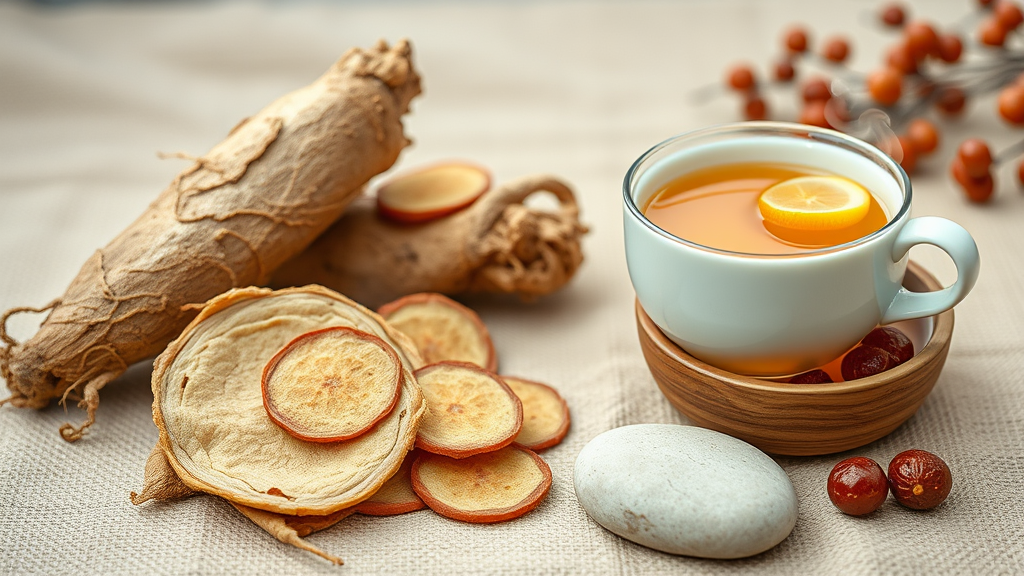
Unearthing the Elixir: Ginseng and Korean Wellness – A Journey from Myth to Modernity
Hey K-VIBE fam! Have you ever wondered about the secret behind the legendary vitality often associated with Koreans? Today, we’re diving deep into the heart of Ginseng and Korean Wellness, exploring the mystical status of insam (인삼), its journey from ancient myths to modern science, and how it continues to shape the Korean philosophy of health and connection to nature. Get ready to uncover the fascinating story of a root revered as an elixir of life!
Korean culture, at its core, holds a profound respect for nature’s gifts, and perhaps no gift is more treasured than ginseng. This humble root is more than just an ingredient; it’s a symbol of longevity, wisdom, and a balanced life. It encapsulates centuries of traditional medicine, heartfelt rituals, and a deep-seated belief in holistic well-being. From the whispers of mountain spirits to cutting-edge scientific research, ginseng has been an unwavering beacon of health, truly defining the essence of Ginseng and Korean Wellness.
The Mystical Roots of Insam (인삼): Where Legend Meets Nature
Imagine a time when the mountains of Korea were wilder, the forests deeper, and the secrets they held, more profound. In this ancient landscape, a root of unparalleled power was said to reside, guarded by mountain spirits and revealed only to those deemed worthy. This is the origin story of ginseng, deeply woven into the fabric of Korean folklore and history. The reverence for this extraordinary plant is not just cultural; it’s almost spiritual, forming the very foundation of Ginseng and Korean Wellness.
The Legend of the Mountain Spirit (산신령, Sansinnyeong) and the Elixir of Life
The discovery of ginseng is often shrouded in enchanting tales. One popular legend speaks of a pious son, distraught by his ailing mother, who prays fervently for her recovery. In a dream, a benevolent Mountain Spirit (Sansinnyeong, 산신령) appears, guiding him to a remote corner of the mountains where a unique plant with bright red berries grows under a specific tree. This plant, with its human-like root, was ginseng. Upon preparing and giving it to his mother, she miraculously regained her health. Stories like these solidified ginseng’s image as a divine gift, a true elixir of life.
Another common motif involves simguni (심마니), the traditional wild ginseng hunters, who were not just seekers of a plant but practitioners of a sacred ritual. Before embarking on their perilous journeys into the mountains, simguni would purify themselves, offer prayers to the Mountain Spirit, and adhere to strict codes of conduct, believing that disrespect would lead to failure or even misfortune. They would whisper “심봤다!” (Sim-bat-da! - “I’ve found ginseng!”) upon discovery, a triumphant yet respectful cry. This profound spiritual connection between humans, nature (jayeon, 자연), and the elusive wild ginseng highlights the deep-seated respect and mystique surrounding this powerful root, underscoring its pivotal role in the philosophy of Ginseng and Korean Wellness. The very act of finding ginseng was seen as a blessing, a testament to one’s pure heart and destiny.
A Royal Herb: Ginseng’s Historical Significance
Beyond folklore, ginseng has played a tangible, significant role in Korean history, elevating its status from a medicinal herb to a national treasure. During the ancient kingdoms, particularly the Goryeo Dynasty (고려, 918-1392 AD), ginseng was not merely a trade commodity but a powerful tool of diplomacy and a highly prized tribute item. Its reputation for enhancing vitality and promoting longevity spread far beyond the peninsula, making it a coveted luxury across Asia and even reaching the Middle East via the Silk Road.
Goryeo ginseng, in particular, became synonymous with superior quality due to Korea’s ideal climate and soil conditions for its cultivation. It was often referred to as Cheonsam (천삼), or “heavenly ginseng,” a term reserved for the highest quality wild roots that commanded immense value. This demand fueled both sophisticated cultivation techniques and extensive trade networks, shaping economic policies and even military strategies. The Joseon Dynasty (조선, 1392-1897 AD) continued this legacy, with ginseng remaining a vital part of the royal pharmacopoeia and a cornerstone of the nation’s economy. The historical narrative of ginseng is not just about a plant; it’s about a nation’s identity, its ancient wealth, and its unwavering commitment to health, which continues to inform the spirit of Ginseng and Korean Wellness today.
Hanbang (한방) Philosophy: Ginseng at the Heart of Korean Traditional Medicine
In Korea, health is not merely the absence of disease but a state of perfect harmony – a balance between the body, mind, and spirit, and a harmonious relationship with the natural world. This holistic approach is the bedrock of hanbang (한방), Traditional Korean Medicine, where ginseng stands as one of the most revered and fundamental herbs. The understanding of ginseng’s power within hanbang is deeply philosophical, reflecting centuries of accumulated wisdom about the human body and its intricate connection to nature, which is central to Ginseng and Korean Wellness.
The Balance of Eumyang (음양) and Qi (기): Ginseng’s Role
At the core of hanbang lies the concept of Eumyang (음양), the Korean equivalent of Yin and Yang, representing complementary opposing forces that govern all things in the universe, including the human body. Health is achieved when Eumyang are in balance. Similarly, Qi (기), or life energy, is believed to flow through specific pathways in the body, and its smooth circulation is essential for vitality. Any disruption to Eumyang balance or Qi flow can lead to illness.
Ginseng is considered a powerful harmonizer in hanbang. It’s known for its adaptogenic qualities, meaning it helps the body adapt to various stressors and return to a state of equilibrium. Depending on its processing, ginseng can be classified differently. For instance, White Ginseng (Baeksam, 백삼), which is simply dried, is milder, while Red Ginseng (Hongsam, 홍삼), which undergoes a steaming and drying process, is believed to have more potent “warming” properties, strengthening qi and promoting circulation. Hongsam is particularly celebrated for its ability to boost vitality and enhance the body’s natural healing capabilities.
A hanbang practitioner wouldn’t simply prescribe ginseng; they would consider its specific properties and how they interact with an individual’s unique constitution to restore balance. This nuanced approach highlights ginseng not as a simple cure-all, but as a sophisticated tool within a comprehensive system of healing, deeply embedded in the philosophy of Ginseng and Korean Wellness. It’s about empowering the body’s innate ability to heal by restoring fundamental balance.
Tailoring Wellness: Ginseng for Individual Constitutions
One of the most fascinating aspects of hanbang is the concept of Sasang Chejil (사상체질), the Four-Constitution Theory, developed by physician Lee Je-ma in the late 19th century. This theory categorizes individuals into four distinct constitutional types (Taeyang, Soyang, Taeum, Soeum) based on their physical characteristics, personality traits, and physiological strengths and weaknesses. Each constitution has specific needs and tendencies, and what might be beneficial for one person could be less effective or even detrimental for another.
This individualized approach extends to the use of ginseng. While ginseng is broadly recognized for its immune-boosting, energy-enhancing, and adaptogenic properties, its specific application varies. For example, individuals with a “cold” constitution might benefit more from the warming properties of Hongsam to invigorate their qi and improve circulation. Conversely, someone with a “hot” constitution might be prescribed ginseng in smaller doses or in combination with cooling herbs to prevent overstimulation.
This personalized medicine, a hallmark of hanbang, ensures that ginseng is utilized in the most effective way possible, tailored to the unique physiological landscape of each individual. It’s a testament to the depth of Korean traditional medicine, where remedies are not one-size-fits-all but carefully chosen to align with the body’s intrinsic nature. This intricate understanding of how to harmonize an individual’s constitution with the powerful properties of ginseng is a cornerstone of true Ginseng and Korean Wellness.
Modern Science Unlocks Ancient Secrets: Validating Ginseng’s Power
For centuries, the efficacy of ginseng was largely understood through anecdotal evidence, traditional knowledge, and philosophical frameworks. However, in the modern era, scientific research has begun to peel back the layers of mystique, revealing the incredible biochemical mechanisms behind ginseng’s storied powers. This fusion of ancient wisdom with contemporary scientific validation has only strengthened ginseng’s reputation and its central role in Ginseng and Korean Wellness.
The Science Behind the Myth: Ginsenosides and Adaptogens
The primary active compounds responsible for ginseng’s therapeutic effects are called ginsenosides. These unique saponins are exclusive to ginseng and have been the subject of extensive scientific investigation. Researchers have identified over 150 different ginsenosides, each with potentially distinct biological activities. These compounds interact with various systems in the body, influencing everything from hormone regulation to neurotransmitter activity.
One of the most significant scientific revelations is ginseng’s classification as an adaptogen. An adaptogen is a natural substance that helps the body adapt to physical, chemical, and biological stress by normalizing physiological processes. Unlike stimulants that can lead to crashes, adaptogens help the body achieve a state of balance without overstimulating or causing side effects. This explains why ginseng can both calm the nervous system and boost energy levels, depending on the body’s needs.
Scientific studies have demonstrated that ginsenosides contribute to a wide array of benefits:
- Immune System Support: Enhancing the activity of immune cells and reducing inflammation.
- Cognitive Function: Improving memory, focus, and mental clarity.
- Anti-Fatigue Effects: Boosting stamina and reducing physical and mental exhaustion.
- Antioxidant Properties: Protecting cells from oxidative stress and damage.
- Blood Sugar Regulation: Helping to manage glucose levels.
- Anti-inflammatory Effects: Reducing systemic inflammation.
These findings provide compelling evidence that the traditional reverence for ginseng was well-founded, giving scientific credibility to what Koreans have known for millennia about the profound impact of Ginseng and Korean Wellness.
Quality and Cultivation: The Korean Advantage
While ginseng is grown in various parts of the world, Korean ginseng, particularly from the Goryeo region, consistently stands out for its superior quality and potency. This distinction is not accidental; it’s the result of a unique confluence of factors: specific terroir, ideal climatic conditions, and centuries of meticulous cultivation expertise.
Korea’s temperate climate, with its distinct four seasons, and its mineral-rich soil, provide the perfect environment for ginseng to thrive. Korean ginseng plants are typically cultivated for a minimum of four to six years before harvest. This extended growth period is crucial because ginsenoside content significantly increases with age, peaking around the six-year mark. This long maturation cycle allows the root to fully develop its complex array of beneficial compounds.
Furthermore, Korean ginseng farmers employ sophisticated and sustainable cultivation practices passed down through generations. They understand the delicate balance required for healthy growth, including careful soil management, shade control (ginseng prefers partial shade), and protection from pests and diseases. Modern agricultural science and biotechnology have also been integrated, allowing for rigorous quality control and the development of highly effective processing methods, such as the creation of Hongsam (Red Ginseng) through steaming and drying, which enhances its beneficial compounds and prolongs its shelf life.
This commitment to quality, from the very soil it grows in to the careful hands that tend it, ensures that Korean ginseng remains the gold standard globally, continuing to drive innovation in the realm of Ginseng and Korean Wellness and bringing ancient benefits to modern consumers.
Ginseng in Contemporary Korean Wellness: A Daily Ritual
Far from being confined to ancient texts or hanbang clinics, ginseng has seamlessly integrated itself into the fabric of modern Korean life. It’s not just a traditional remedy for illness; it’s a vital component of daily wellness, a preventative measure, and a symbol of thoughtful self-care. The enduring presence of ginseng in everyday routines highlights its continued relevance and its dynamic evolution within the broader concept of Ginseng and Korean Wellness.
From Samgyetang (삼계탕) to Supplements: Integrating Ginseng into Life
In Korea, ginseng is truly ubiquitous, appearing in forms both traditional and innovative. Perhaps the most iconic and beloved ginseng dish is Samgyetang (삼계탕), a nourishing chicken soup traditionally enjoyed on the hottest days of summer (Boknal, 복날). This dish, featuring a whole young chicken stuffed with glutinous rice, jujubes, garlic, and a whole ginseng root, is a quintessential boyangsik (보양식), a health-boosting food designed to restore energy and vitality. It embodies the belief that “fighting fire with fire” by consuming warming, nourishing foods helps the body endure the summer heat.
Beyond Samgyetang, ginseng is integrated into countless other culinary and daily practices:
- Ginseng Tea: A common beverage, often sweetened with honey, enjoyed for its warming and invigorating properties.
- Ginseng Extracts and Concentrates: Highly potent forms, easily mixed into water or consumed directly, popular for their convenience and efficacy.
- Health Supplements: Capsules and powders are widely available, providing a standardized dose of ginsenosides.
- Beauty Products: Ginseng’s antioxidant and anti-aging properties make it a popular ingredient in skincare, from serums to masks.
- Snacks and Candies: Even everyday treats sometimes feature ginseng, offering a subtle health boost.
This pervasive presence showcases how deeply ginseng is ingrained in the Korean lifestyle, reflecting a proactive approach to health rather than a reactive one. It’s about maintaining strength and balance every day, a testament to the enduring appeal of Ginseng and Korean Wellness.
The Global Appeal of Korean Wellness and Ginseng
The surging popularity of Hallyu (한류), the Korean Wave, encompassing K-Pop, K-Dramas, and K-Beauty, has opened a global gateway to various aspects of Korean culture, and its unique approach to health and wellness is certainly among them. As people worldwide become more conscious of holistic well-being and natural remedies, Korean ginseng has found an enthusiastic international audience.
International travelers to Korea often seek out ginseng products as essential souvenirs and health gifts. From high-quality Hongsam extracts to innovative ginseng-infused cosmetics, the appeal is broad. This global fascination is not just a trend; it’s a recognition of the quality, efficacy, and centuries of tradition that Korean ginseng represents. Consumers are increasingly seeking out natural, scientifically-backed solutions for energy, immunity, and overall vitality, and ginseng perfectly fits this demand.
In a fast-paced world filled with stress and environmental challenges, the ancient wisdom embodied by ginseng offers a powerful, natural path to better health. It’s a reminder that true wellness often lies in harmonious connection with nature, a philosophy that Korea has perfected over millennia. The story of Ginseng and Korean Wellness is, therefore, a timeless one, continually evolving and inspiring a global movement towards mindful living and natural vitality.
The Root of Korean Health Philosophy: Ginseng’s Enduring Legacy
From the whispered legends of mountain spirits and devout simguni to the rigorous validation of modern laboratories, ginseng stands as an unparalleled symbol of Ginseng and Korean Wellness. It embodies the Korean philosophy of health – a harmonious blend of tradition, nature, and proactive self-care. Its journey through history reflects a nation’s enduring commitment to vitality, balance, and a deep respect for the Earth’s most precious gifts.
Ginseng is more than just a root; it’s a living legacy, a bridge connecting ancient wisdom to contemporary well-being. It reminds us that sometimes, the most profound secrets to health lie not in complex chemical formulations, but in the humble, powerful offerings of nature itself. So, whether you’re seeking to boost your energy, support your immune system, or simply embrace a more balanced lifestyle, consider inviting the magic of Korean ginseng into your world. It’s a journey into the heart of a culture that understands true vitality.
What are your thoughts on ginseng? Have you tried it before? Share your experiences and questions in the comments below! Let’s continue to explore the incredible world of K-Wellness together!