Essential Korean Phrases for Traditional Market Shopping
Essential Korean Phrases for Market Shopping
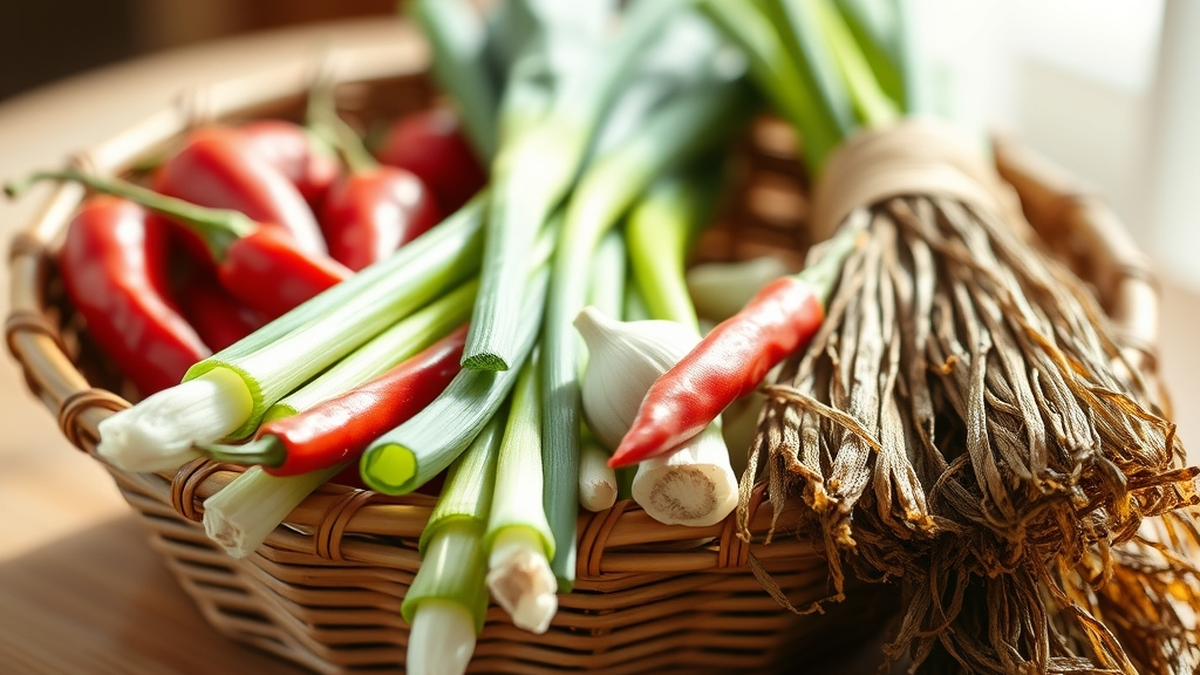
Stepping into a traditional Korean market, or sijang, is an exercise in sensory overload. The air is heavy with the scent of toasted sesame oil, frying bindaetteok (mung bean pancakes), and the sharp, earthy aroma of mounds of fresh produce. September is perhaps the most vibrant time to visit, as stalls overflow with the crisp harvest goods of autumn.
While supermarkets are convenient, the sijang is where the pulse of the neighborhood beats. It is a place of rapid-fire exchanges, shouting vendors, and a unique rhythm of commerce. If you are visiting to pick up some seasonal fruit or a hot snack, you might feel intimidated by the pace. However, the social interaction at a market is surprisingly standardized. By learning a few practical phrases, you can shift from a passive observer to an active participant in this quintessential piece of Korean life.
The Art of the Opening Query
When you walk up to a stall, you do not need a complex introduction. The primary goal is to establish contact and find out the price of the item that caught your eye.
In a traditional market, prices are often displayed, but for loose items like a bundle of spinach or a bag of chestnuts, you will need to ask.
“Eolmayeyo?” (How much is it?)
This is the golden phrase. It is short, polite, and universally understood. If you are pointing at a specific item, you can precede it with igeo (this).
- Dialogue Example:
- You: “Igeo eolmayeyo?” (How much is this?)
- Vendor: “O-cheon won-ieyo.” (It is 5,000 won.)
If you find yourself needing to ask about different items, you don’t need to worry about being overly formal. Using the suffix -yo at the end of your sentences keeps your tone friendly and polite. If a vendor is shouting out prices, which is very common, you might simply nod and hold up a finger to signal that you are interested in a single portion.
Navigating Quantity and Variety
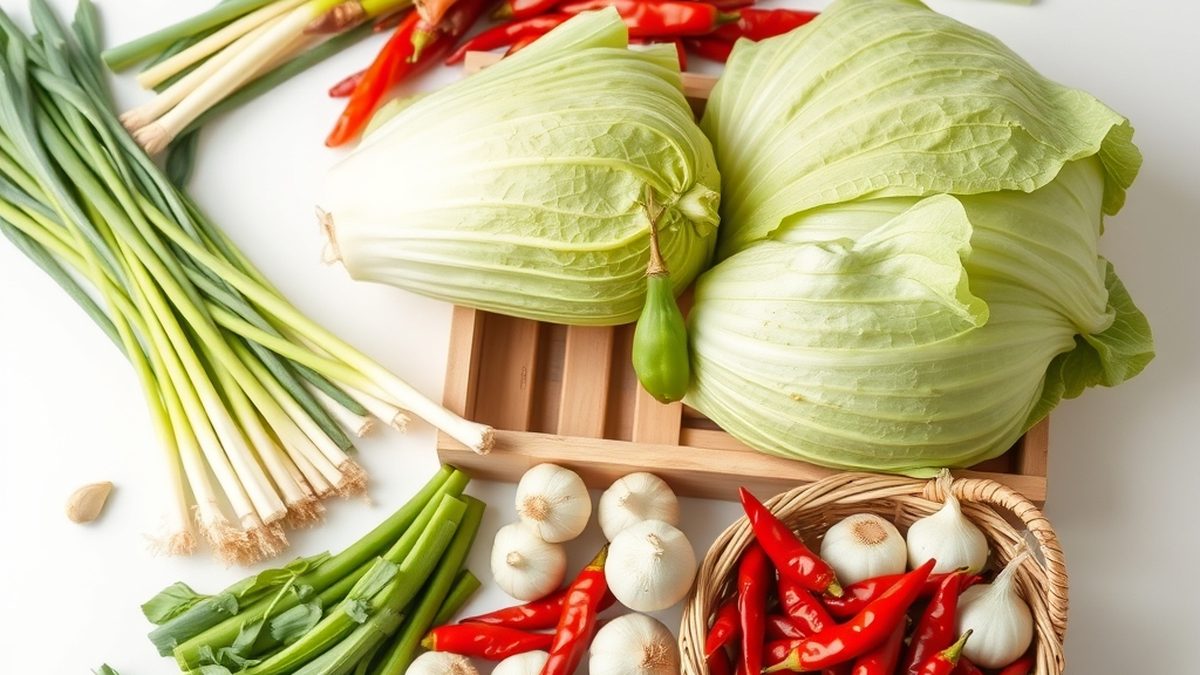
A common point of friction for newcomers is the sizing system. At a traditional market, you rarely see items pre-packaged in standard supermarket weights. Instead, items are sold by the gunda (bundle), baguni (basket), or simply by the handful.
If you are buying fruit, you might want to know if you can buy just a few rather than the entire basket on display.
“Igeo jogeumman sal su isseoyo?” (Can I buy just a little bit of this?)
If you are at a stall that sells banchan (side dishes), they are usually portioned into plastic containers, but vendors are often flexible.
- Dialogue Example:
- You: “Igeo jogeumman sal su isseoyo?” (Can I buy just a little bit of this?)
- Vendor: “Ne, jogeumman deuryeoyo?” (Yes, should I give you a small amount?)
If you aren’t sure how much you want, simply saying jogeum (a little) or mani (a lot) goes a long way. The vendors are used to people shopping for single-person households or large families, so they are generally quick to adjust their portions to suit your needs.
The Gentle Dance of Bargaining
Let’s be clear: bargaining in a Korean sijang is not like the aggressive haggling found in some other parts of the world. It is rarely about confrontation or trying to get the absolute lowest price. It is more of a social gesture, a way to acknowledge the relationship between buyer and seller.
If you buy a large amount, you might ask for a service (pronounced seobiseu in Korean), which means a small “extra” or “gift.”
“Seobiseu juseyo!” (Please give me an extra!)
This is usually said with a smile after you have already agreed on a purchase. It is not an expectation, but if you have bought a few bags of apples or a large quantity of vegetables, it is a perfectly acceptable lighthearted request.
- Dialogue Example:
- You: “Igeo mani sass-eunikka, seobiseu juseyo!” (Since I bought a lot, please give me a little extra!)
- Vendor: (Laughing) “Ah, geuraeyo! Igeo han-gae deo neoeo deuryeoyo.” (Oh, alright! I will put one more in for you.)
If you are buying something that is already priced very low, it is best to skip the bargaining. Politeness and a friendly demeanor will usually earn you a better response than trying to shave 500 won off a small purchase.
Common Words for Every Stall
To feel more comfortable, memorize these functional nouns. They will help you identify what you are seeing and make your questions more specific.
- Juseyo (Please give me): Use this at the end of every request. “Apple, juseyo” (Please give me an apple) is a complete, grammatically sound request in a market setting.
- Igeo (This): Your best friend when you don’t know the name of an item. Simply point and say “Igeo juseyo” (Please give me this).
- Dak-ayo? (Is it spicy?): Essential for those wary of the heat in pre-made sauces or kimchi.
- Mann-ayo? (Is it fresh?): A bit blunt, but often used by older shoppers to double-check the produce.
- Kkad-a juseyo (Please peel/shuck it for me): Occasionally, if you are buying items like chestnuts or garlic, the vendor may be willing to process them for you.
When you are finishing your transaction, you will hear “Gamsahamnida” (Thank you) from the vendor. A simple nod and a “Gamsahamnida” in return is the perfect way to conclude the exchange.
Embracing the Sijang Atmosphere
Market shopping in Korea is not meant to be a chore. It is an interaction—a few minutes of conversation about the weather, the harvest, or the quality of the vegetables. You will find that most vendors are quite patient with international shoppers who make a genuine effort to speak, even if they stumble over the pronunciation.
If you find yourself feeling overwhelmed, take a step back and watch the regulars. Notice how they gesture, how they carry their cloth bags, and how they interact with the shop owners. There is no special code or secret membership required to enjoy the sijang. It is a public space, and your presence is welcome.
Once you successfully navigate a purchase—exchanging coins for fresh produce or a warm bag of roasted chestnuts—the market will start to feel like a familiar neighborhood hub rather than a confusing maze. Grab a reusable bag, keep your change ready, and enjoy the experience of picking out your groceries in the heart of the community.