Functional Chic: Why Comfort Leads Korean Street Style
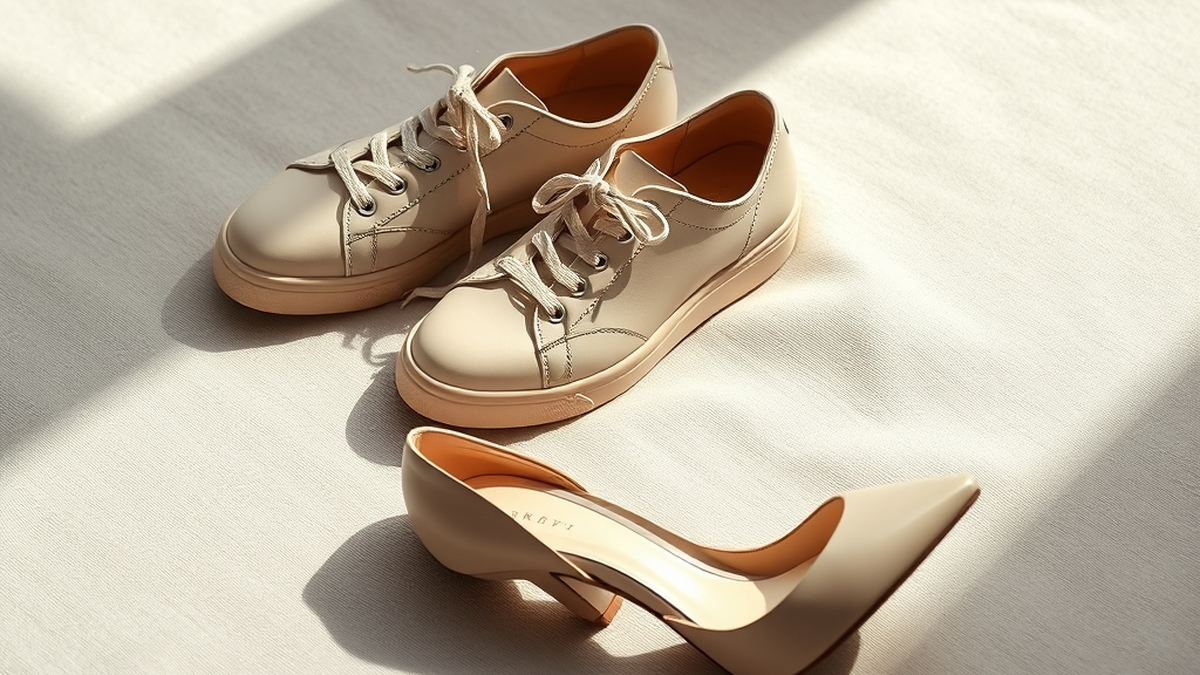
Ditching the High Heels: Why Comfort Rules Korean Fashion
If you spend an afternoon standing near a subway exit in Seoul—perhaps at a busy station like Hongik University or Gangnam—you will notice a specific rhythm to the crowd. It is a constant, flowing movement. People are constantly navigating stairs, long underground corridors, and steep hills that seem to define the topography of the city.
A few years ago, you might have seen a larger proportion of office workers and students clicking along in stiff leather loafers or high-heeled boots. Today, the soundscape has shifted. It is the muted, rhythmic thud of cushioned sneakers and soft-soled slip-ons. This isn’t a rejection of style; it is an acknowledgment of the environment. In Korea, where “walking culture” is not just a leisure activity but a requirement of daily commuting, comfort has become the ultimate form of “functional chic.”
The Shift to ‘Functional Chic’
In Korean, you will often hear the word pyeon-ham (comfort/convenience). When people discuss footwear, pyeon-han sin-bal (comfortable shoes) is the baseline requirement, not the secondary option.
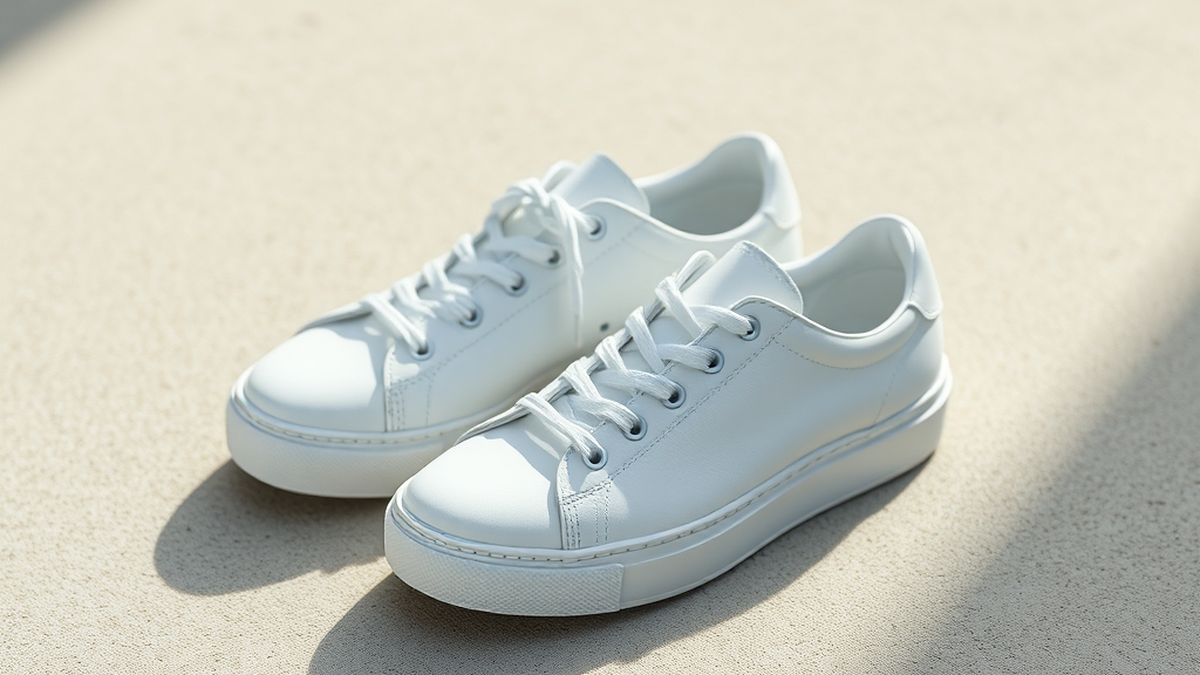
This isn’t to say that Koreans have stopped caring about aesthetics. On the contrary, the current “functional chic” trend is about making sneakers and flat shoes look intentional rather than purely athletic. You will see office workers in tailored slacks paired with clean, minimalist white sneakers, or students wearing wide-leg trousers that drape perfectly over platform sandals.
The goal is to maintain a polished appearance—what is often described as jeong-jang (formal/neat attire)—without the physical toll of traditional rigid footwear. If you are planning a trip to Korea in September, when the humidity breaks and the weather becomes ideal for walking, you will notice that even the most “dressed up” looking person is likely prioritizing a shoe that can handle a five-kilometer trek across the city.
Recognizing the Look on the Street
How do you tell the difference between “gym shoes” and the “functional chic” sneakers you see on the streets of Seoul? It comes down to styling.
Consider a common scenario: a group of friends meeting for a weekend coffee.
- Person A is wearing a pleated skirt and a crisp, button-down shirt. Instead of heels, they are wearing Mary Jane-style flats with a thick, rubber sole.
- Person B is wearing oversized trousers and a structured blazer. They have paired this with a pair of chunky, “dad-style” sneakers.
Both look like they are heading to a nice lunch, but their footwear is designed for the reality of Korean transit. They aren’t dressing for the gym; they are dressing for the city. If you find yourself shopping in Korea, you will see shoe stores displaying “Daily Sneakers”—a category that occupies the middle ground between high fashion and sportswear.
If you ask a shop assistant for something for a lot of walking, they will likely point you toward the kko-mul-kko-mul style—a term sometimes used to describe shoes that feel soft or bouncy underfoot. You will hear locals say, “I have to walk a lot today, so I need to wear these,” which is a perfectly acceptable justification for dressing down a formal outfit.
Why ‘Walking’ Dictates the Wardrobe
The layout of a typical Korean city requires a high degree of mobility. You move from the subway, to an elevator, to a walking path, and finally to a café. In many districts, the terrain is rarely flat.
Because of this, you will see a high frequency of “effortless” looks. This doesn’t mean the person put no effort into their outfit; it means they have mastered the art of layering and choosing pieces that don’t restrict movement.
When you are out and about, watch for these common combinations:
- Wide-leg trousers with platform sneakers: This keeps the hem of the pants clean (avoiding the dusty streets) while providing the arch support necessary for hilly neighborhoods.
- Socks as an accessory: Because sneakers are the default, socks have become a major part of the fashion equation. You will see people wearing socks with lace details, vibrant colors, or sheer materials that peek out from under their shoes. It’s a way to express personality when the footwear itself has to be utilitarian.
- Crossbody bags: Since everyone is moving so much, hands-free bags are essentially mandatory. You will rarely see someone struggling with a heavy tote that slides off their shoulder while they are trying to swipe their transport card at a subway turnstile.
Navigating the City Like a Local
If you are visiting in September, you might be tempted to pack those stylish leather boots or heels you love. However, if you spend a few hours walking through areas like Insadong or the Bukchon Hanok Village, you will quickly realize that the pavement is unforgiving.
The most common mistake international travelers make is confusing “formal” with “restrictive.” In Korea, you can be perfectly appropriate for a nice dinner or a professional meeting while wearing sneakers. If you walk into a nice restaurant wearing a clean, modern pair of sneakers, nobody will look twice. In fact, if you show up in uncomfortable heels, you might be the one looking out of place, simply because your pace will naturally slow down to accommodate your feet.
If you hear someone say, “On-neul man-i geol-eo-ya dwae-yo” (I have to walk a lot today), that is your cue that they are shifting their outfit toward maximum comfort. They aren’t dressing down because they are lazy; they are dressing for the geography of the city.
As you navigate the streets this month, keep an eye out for the details. Notice how the silhouette of the outfit changes based on the shoe choice. It’s a practical, modern approach to style that prioritizes the person as much as the look. Once you start noticing the way locals balance their outfits with functional footwear, you will find it much easier to pack your own bag and hit the streets of Seoul with the same confidence and comfort.