Chuseok: The Heart of Ancestral Rites and Harvest Traditions
Chuseok Traditions: More Than Just Korean Thanksgiving
In mid-September, the rhythm of South Korea undergoes a visible shift. You might notice it first in the quiet of the streets in Seoul, or the sudden, frantic scramble for train tickets on digital apps. While many international observers are familiar with the term “Korean Thanksgiving,” this shorthand misses the core of what Chuseok actually is: a profound, days-long tether between the living and the departed, dictated by the cycles of the moon and the weight of familial duty.
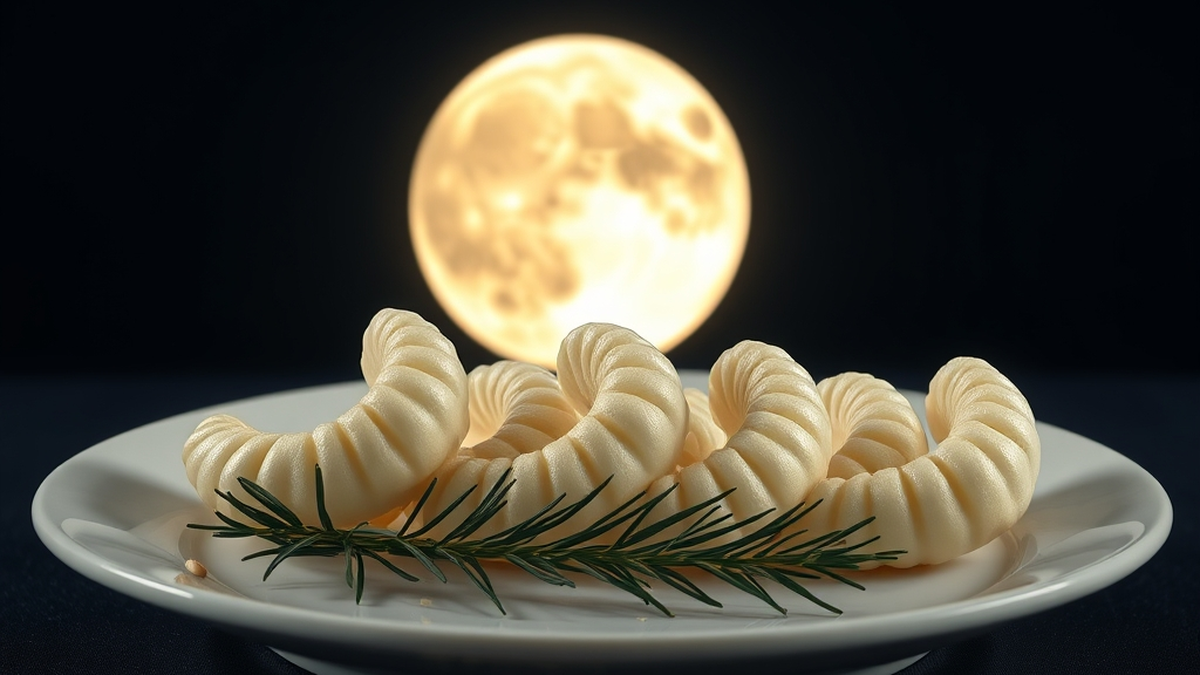
Chuseok, the harvest festival that falls on the 15th day of the eighth lunar month, is a time when the “fullness” of the harvest moon—the Hangawi moon—serves as a backdrop for the most important ritualistic performance in a Korean family’s calendar: Charye.
Understanding Chuseok isn’t about comparing turkey to rice cakes; it is about recognizing the gravity of the customs that pull millions of people across the country toward their ancestral hometowns.
The Ritual of Connection: Charye
The heart of Chuseok is the Charye, an ancestral rite performed at home. If you are ever invited into a Korean home during this time, you will see a meticulously arranged table. This isn’t a casual buffet spread; it is a highly structured, symbolic offering.
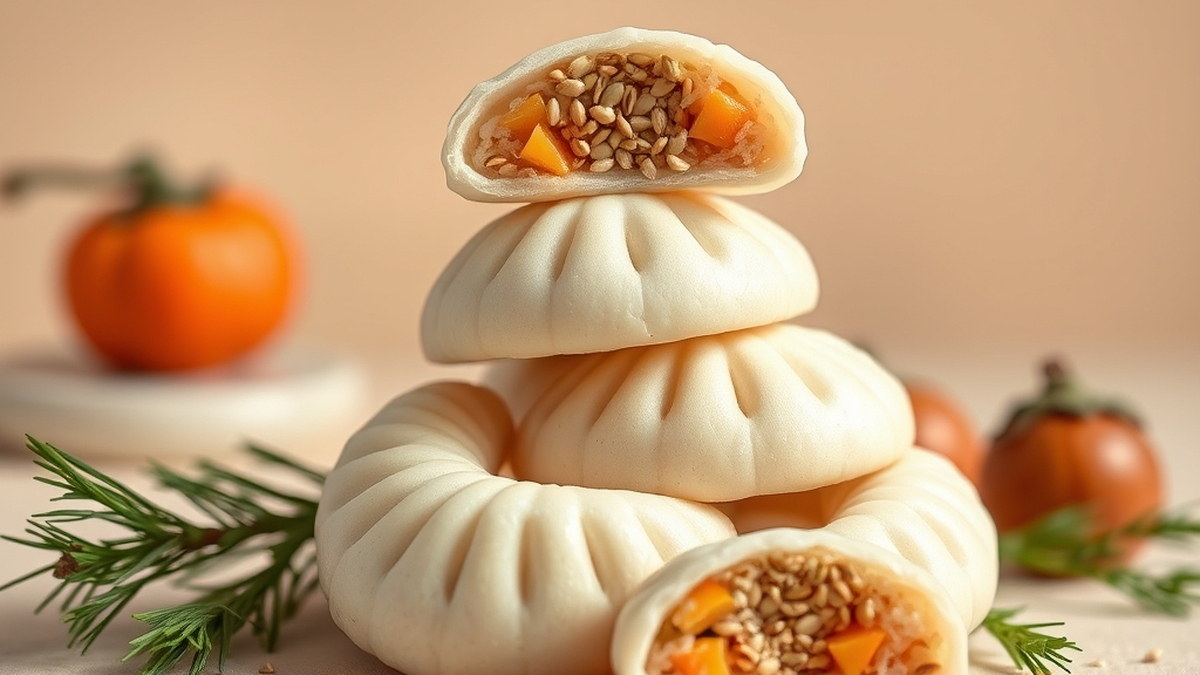
The placement of food—fruits like pears and apples, dried fish, namul (seasoned vegetable dishes), and songpyeon (half-moon-shaped rice cakes stuffed with sesame, beans, or honey)—follows strict traditional guidelines regarding which item goes in the front, the middle, or the back.
Situations where you might encounter this:
- The Kitchen Scramble: In the days leading up to Chuseok, you may find your Korean friends or colleagues suddenly unavailable or exhausted. If you visit a Korean household a day early, you might walk into a scene of intense labor. The family will be gathered in the kitchen, pan-frying jeon (savory pancakes) by the hundreds. It is a collective, generational effort where the grandmother, mother, and daughter-in-law (or increasingly, a mix of all family members) work for hours. If you see a colleague looking tired on the Friday before the holiday, they are likely just coming off a marathon of peeling vegetables and frying delicate, egg-battered fish for the morning’s rite.
- The Public Greeting: You might notice people on the street or in the office lobby during the week of Chuseok bowing slightly deeper than usual to elders. The phrase “Haengbokhan Chuseok bonaeseyo” (Have a happy Chuseok) is exchanged everywhere, but there is a nuance to the tone. It is less like a casual “Happy Holidays” and more like a wish for a peaceful, respectful family gathering.
- The Empty Neighborhood: If you are staying in a major city like Seoul or Busan during the actual day of Chuseok, look out your window. The silence is the most telling sign. Many shops, restaurants, and convenience stores pull down their shutters. The city empties as families retreat into their private homes to perform the rite. It is a moment where the “global city” pace stops completely to honor the ancestral household.
The Significance of the Harvest Moon
The full moon of Chuseok is not just a celestial event; it is the witness to the family’s unity. In Korean culture, the moon represents prosperity and the return of life cycles.
Situations where the moon’s importance becomes clear:
- Messaging and Social Media: If you check your messaging apps on the night of Chuseok, you will likely see a flood of images. Korean friends will post photos of the moon, often accompanied by the act of making a wish. This isn’t just aesthetic; it’s a cultural acknowledgment of the “fullness” of the season. Sending a photo of the bright, round moon to a distant relative or an elder is a way of saying, “We are all under the same sky, even if we are apart.”
- School and Workplace Traditions: In schools or community centers, you might see ganggangsullae—a traditional circular dance—being performed. Historically, this was a folk dance meant to celebrate the harvest and bring community members together under the moonlight. Today, it’s often performed by children or in cultural exhibits. If you see a group of people holding hands and moving in a circle, they are not just dancing for entertainment; they are embodying the unity the moon represents.
The Duty of the Visit: Gwi-seong
The movement of people across the country during Chuseok is known as gwi-seong (returning to one’s hometown). This is not a holiday vacation in the Western sense of escaping to a resort. It is a pilgrimage back to the family seat, often where the ancestral graves are located.
Situations where this dynamic plays out:
- The Struggle for Tickets: You will hear news reports about the “war of the tickets.” If you try to book a KTX train or a high-speed bus ticket for the days immediately preceding the holiday, you will likely find them sold out within minutes of being released. This is because the visit is considered a non-negotiable familial duty. When a friend cancels plans to see you because they “must go to the countryside,” they are prioritizing a duty that ranks higher than social or personal leisure.
- The Graveside Visit (Beol-cho): A week or two before Chuseok, families often make a trip to the ancestral burial grounds to perform beol-cho. This involves clearing weeds and tidying up the gravesite. If you see a car trunk packed with shovels, rakes, and buckets of cleaning supplies instead of suitcases, the family is likely heading out to care for their ancestors’ resting places before the formal holiday begins.
Understanding the Nuance
When you see a table set with songpyeon and dried fish, it is easy to focus on the aesthetics of the food. But the nuance lies in the intention. The Charye is not meant to be a feast for the living, but a symbolic meal for the ancestors who are invited to return to the home.
You might find that your Korean friends are stressed by the expectation to sit for long hours with relatives they don’t see often, or by the sheer volume of cooking required. The holiday is a mix of deep spiritual gratitude and, for the younger generation, a heavy workload. There is often humor in this tension—you might hear younger relatives joking about the “holiday stress” or the repetitive questions they get from older aunts and uncles about their careers or relationships.
Recognizing these scenes for what they are—a blend of solemn ritual, intense labor, and the inescapable gravitational pull of family duty—allows you to see Chuseok as more than just a calendar date. It is a period where the modern, fast-paced life of Korea pauses, and the focus shifts back to the roots of the family tree.
As the moon rises and the families gather, the quiet, focused energy of the households across the country reminds us that for many, these traditions are the most stable point in an otherwise rapidly changing world. It is a time for acknowledging the past while ensuring the family unit remains firmly together under the glow of the harvest moon.