Life After Chuseok: The Quiet Rhythm of October in Korea
Chuseok Aftermath: How Koreans Spend the Days Following the Harvest
In the Korean calendar, the week following Chuseok—the mid-autumn harvest festival—is marked by a distinct atmospheric shift. If the holiday itself is characterized by movement, long-distance travel, and the high-energy preparation of ancestral rites, the days immediately after are defined by a quiet, collective deceleration. As the October air turns crisp and the humidity of late summer finally dissipates, the rhythm of daily life in Korea recalibrates. It is a period of transition, where the urgency of the holiday gives way to a lingering sense of domestic stillness.
For those watching from the outside, this post-holiday period offers a window into the unspoken etiquette and social patterns that govern life in Korea. It is not necessarily a time of exhaustion, but rather a time of returning to the ordinary with a slightly different tempo.
The Office and Classroom Reset
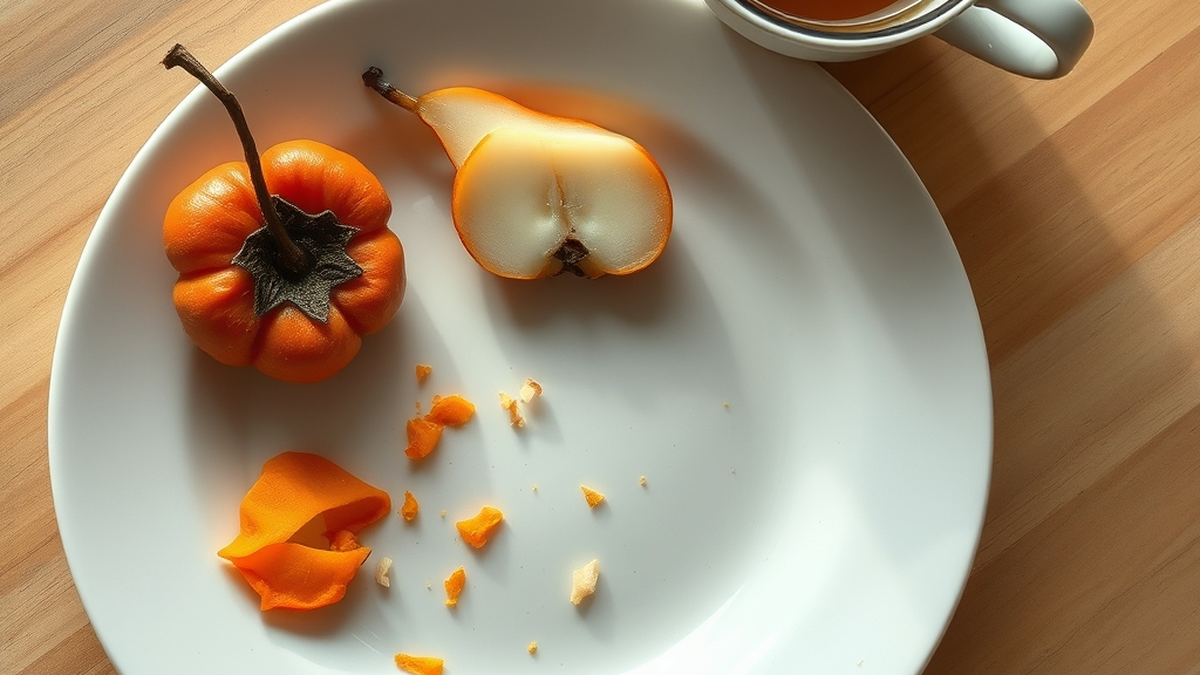
On the first morning back at the office or school, there is a specific, recognizable social performance. You will often see coworkers exchanging bags of leftover fruit—apples, pears, or persimmons—that were brought back from their ancestral hometowns. In the breakroom, the conversation is rarely about the grandiosity of the holiday itself; instead, it centers on the logistics of the return journey or the specific, mundane observations of home.
In the corporate world, the post-Chuseok period is often when the “holiday rhythm” is slowly wound back up. There is a mutual, unstated understanding that the pace should not immediately return to maximum intensity. You might notice that meetings are scheduled with a bit more buffer time, or that the tone of emails is slightly more subdued. It is a time for “catching up” in the most literal sense, clearing the backlog of the preceding week while maintaining the lingering warmth of the social reunions that just took place.
In schools, teachers often refrain from diving straight into new, heavy curriculum material on the first day back. There is a soft landing period, a space for students to settle back into their routines before the intensity of exam preparation resumes. This unspoken grace period is a way of acknowledging the collective shift in the collective mood.
Restaurants and the Return to Personal Time
One of the most immediate indicators that the holiday has passed is the visual transformation of neighborhood restaurants. During Chuseok, many small, family-run eateries close their doors, leading to a temporary scarcity of dining options. When they reopen in the days following, they are often crowded, but with a different demographic.
Instead of large, multi-generational groups occupying tables, you begin to see a return to individual or small-group dynamics. Colleagues go out for a simple bowl of soup, or friends meet for coffee to catch up on the gossip they missed while they were away with their extended families. There is a sense of relief in reclaiming one’s personal, smaller social circle. The loud, boisterous energy of the holiday dinner table is replaced by the quieter, more focused conversations of daily life.
You might also notice a surge in the popularity of “refreshing” food choices. After days of consuming heavy, oil-rich traditional holiday foods like jeon (pan-fried battered vegetables or meats) and songpyeon (half-moon shaped rice cakes), the post-holiday appetite shifts toward lighter, spicier, or simpler meals. It is common to see office workers gravitating toward spicy noodle shops or fresh salads, a small, collective culinary shift that signals a desire to reset the system.
The Digital Echo in Messaging
The rhythm of the post-holiday period is perhaps most visible in the messaging patterns on apps like KakaoTalk. During the holiday, these threads are filled with formal greetings and photos of landscapes or meals. Once the days following Chuseok arrive, the tone shifts back to the pragmatic and the casual.
There is a subtle, polite acknowledgment that everyone is “back.” You will see messages like “Gwi-ga jal haess-eoyo?” (Did you make it back home safely?). This is the standard social signal that the holiday is officially over and the routine has resumed. It is a simple, effective way of closing the holiday chapter. Unlike the high-pressure social obligations of the holiday itself, these follow-up messages feel lighter, serving as a social bridge between the family time just concluded and the professional or academic tasks awaiting in the coming weeks.
Public Spaces and the Quiet Turn of October
The physical environment of Korea also changes during this time. The weather in October is notoriously beautiful, characterized by clear blue skies and a cooling breeze. As the dust of the holiday travel settles, public parks and walking paths become populated by people taking advantage of this specific window of calm.
You will see parents taking their children to parks to enjoy the cooling temperatures, or elderly residents engaging in their usual morning exercise routines with a renewed focus. The frantic energy of the highway and the train station is replaced by a quiet, rhythmic movement in local neighborhoods. This is the period when people settle into their autumnal wardrobe—light jackets and sweaters appear—and the visual cues of the season mirror the internal shift toward steady, daily living.
In these spaces, there is no remnant of the holiday intensity. The focus is entirely on the present moment, on the simple pleasure of the autumn weather. It is a striking contrast to the days prior, and it perfectly encapsulates the Korean ability to shift gears from the highly communal and performative nature of traditional holidays back to the quiet, dignified focus on individual and small-unit life.
Navigating the Social Nuance
Recognizing this rhythm is essential for understanding how social life flows in Korea. If you are working or living in a Korean environment, understanding that the days after Chuseok are meant for a gradual return helps in navigating interactions. For example, if you find that a request you made before the holiday is met with a slower response than usual, it is rarely a sign of neglect; it is simply a reflection of this established rhythm of re-entry.
The nuance lies in the balance. Koreans value the communal duty of the holiday, but they are equally adept at respecting the need for a quiet recovery afterward. This is not about “avoiding family” or “hiding from stress,” but about the cultural recognition that one cannot exist in a state of high-intensity social interaction indefinitely. The “reset” is a built-in feature of the culture, a way to ensure that the heavy lifting of tradition is balanced by the necessity of the daily grind.
When you see a coworker lingering over their coffee or hear a student talking about how quiet their neighborhood has become, you are witnessing the “aftermath”—not in the sense of a disaster, but in the sense of an echo. The holiday ripples out, slowly fading as the routine of the new month takes hold.
As the leaves begin to turn and the daylight hours subtly shorten, the remnants of Chuseok disappear entirely, integrated into the memory of the season. Life in Korea does not stay in the holiday mode; it moves forward, always tethered to the next seasonal shift, with a grace and consistency that makes the return to the ordinary seem just as natural as the celebration itself.