Bibimbap: A Harmony of Seasonal Flavors and Obangsa Color
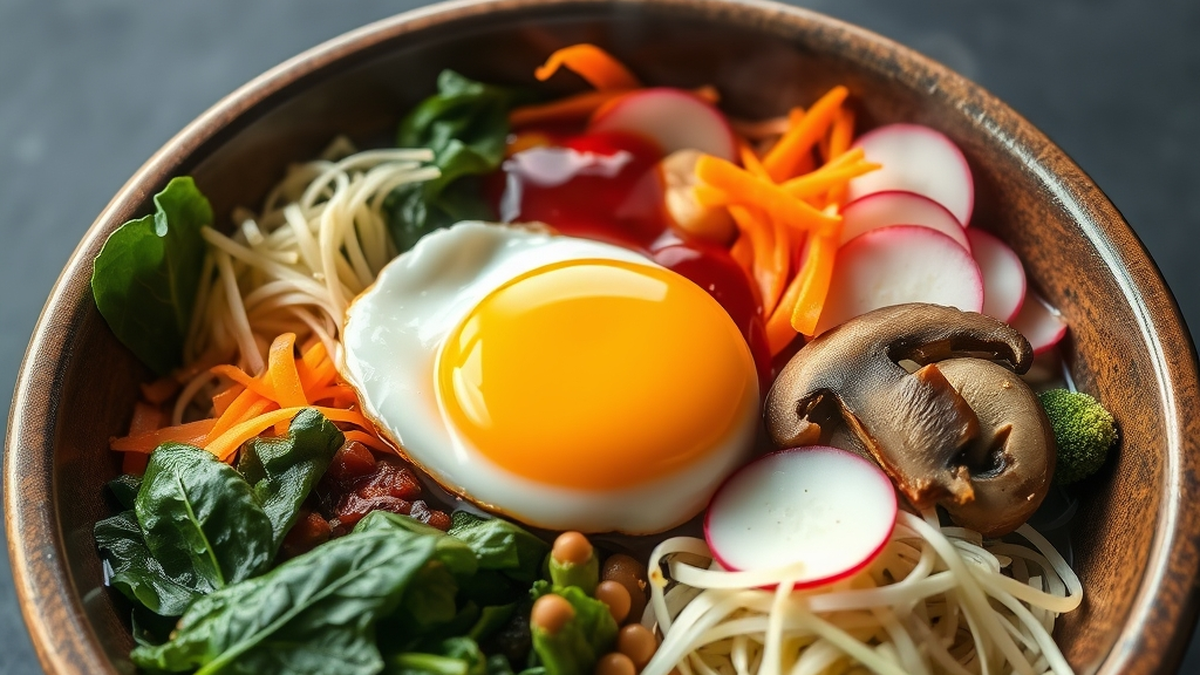
Bibimbap: A Reflection of Korean Balance and Seasonal Ingredients
At a standard lunch hour in a bustling Seoul neighborhood, the sound of a metal spoon clinking against a heavy stone bowl is a universal signal. A diner receives a bowl topped with a precise arrangement of julienned vegetables, a mound of seasoned meat, and a vibrant dollop of red chili paste. While the instinct for many newcomers is to immediately toss everything together into an indistinguishable heap, the dish represents something far more deliberate than a simple quick fix for leftovers.
Bibimbap—literally “mixed rice”—is a cornerstone of Korean dining. It is a dish that balances textures, temperatures, and, most importantly, the traditional Korean color theory known as Obangsa (the five directional colors). Rather than being a disorganized jumble, it is a curated composition intended to bring harmony to the table, especially as the seasons shift and the markets overflow with fresh produce.
The Logic of the Five Colors
The visual appeal of a well-prepared bowl of bibimbap is not accidental. It is rooted in Obangsa, a traditional system that assigns five colors to the five directions and elements of the universe. In a culinary context, this translates to white, black, red, yellow, and blue (or green).
When you look at a bowl of bibimbap, you are likely seeing this theory in action:
- White: Often represented by the base of steamed rice, or sometimes bean sprouts (sukju-namul).
- Black: Usually provided by bracken fern (gosari), shiitake mushrooms, or bits of seasoned seaweed.
- Red: Found in the gochujang (fermented chili paste) or carrots.
- Yellow: Typically represented by egg yolk, sliced mung bean jelly, or bell peppers.
- Blue/Green: The most abundant category, featuring seasonal greens like spinach, zucchini, or cucumber.
In a restaurant setting, chefs take care to group these ingredients by color rather than mixing them before they reach the table. This presentation is meant to allow the diner to appreciate the individuality of each element before they are integrated. By honoring these five colors, a meal is perceived not just as a caloric intake, but as a balanced intake of the diverse nutrients and flavors found in nature. When you see a plate where the colors are distinct and bright, you are witnessing a reflection of this cultural emphasis on equilibrium.

Seasonal Rhythms on the Plate
One of the most common misconceptions about bibimbap is that it is a “refrigerator clearing” dish. While home cooks certainly use up extra vegetables in a stir-fry or a quick rice bowl, the “official” version served in restaurants relies heavily on seasonality.
Take the current season: summer. During these warmer months, the market stalls are piled high with zucchini (ae-hobak), crisp cucumbers, and various leafy greens. A summer bibimbap will feel light and cooling, emphasizing fresh, lightly blanched vegetables that retain a satisfying crunch. Conversely, a bowl served in the heart of winter might rely more on preserved roots, dried ferns, and deeper, heartier flavors.
Because of this seasonality, the dish acts as a calendar. A regular diner can often tell the time of year simply by looking at the composition of their bowl. In spring, you might find dallae (wild chives) or naengi (shepherd’s purse) lending a pungent, earthy brightness to the rice. In autumn, the bowl might lean toward root vegetables and nuts. Recognizing these seasonal shifts is the key to moving past the idea that bibimbap is a static recipe. It is, by definition, a variable one, changing its personality to match what the land provides at that specific moment.
The Art of the Mix
The act of mixing (bibim) is the final step in the preparation. There is no singular “right” way to do this, though cultural nuances often guide the motion. Using a spoon rather than chopsticks is the standard, as the spoon allows for a more efficient incorporation of the gochujang into the rice.
Some diners prefer to mix with long, sweeping strokes to ensure the chili paste coats every grain of rice without crushing the more delicate vegetables. Others prefer a gentler approach, folding the ingredients together to maintain the structural integrity of the toppings.
This stage is a personal ritual. Some people add a drizzle of cham-gireum (toasted sesame oil) at the last second, the aroma of which hits the nose immediately. Others might add a splash of soy sauce or a bit of extra broth depending on their preference for moisture.
If you are dining out, watch how the people around you approach their bowls. You will see a range of techniques: the “fast mixer” who wants everything uniform in seconds, and the “methodical mixer” who treats the process as a preamble to the meal. Both are accepted. The goal of the mixing is simply to ensure that every bite offers a combination of flavors—the heat of the chili, the saltiness of the vegetables, and the clean sweetness of the rice—in a single spoonful.
Beyond the Stone Bowl
While the dolsot (stone bowl) version is popular because it keeps the rice sizzling and creates a crispy, caramelized crust on the bottom (nurungji), it is not the only way the dish is served.
In many regional variations, the “cold” bowl is preferred. This is common in areas like Jeonju, a city famously associated with the dish. In these versions, the emphasis is on the freshness of the toppings, often served over rice that has been cooked in beef broth to give it a subtle, savory depth before the vegetables are added.
You might also encounter yukhoe-bibimbap, which features raw seasoned beef. This version relies on the temperature contrast between the cool, velvet-like texture of the raw meat and the warm rice. The variety is vast, and the ingredients can change based on what is available in the local pantry.
Ultimately, bibimbap is less about following a strict culinary law and more about understanding the relationship between the components. The next time you find yourself at a Korean restaurant, look past the red paste. Notice the arrangement of the greens, the texture of the roots, and the way the colors play off one another. Whether you mix it vigorously or gently fold it together, you are participating in a tradition that prizes the harmony of nature’s bounty, one spoonful at a time.