Korean culture stories for global readers

From Red Beans to Modern Treats: The Evolution of Patbingsu
Patbingsu: The Evolution of Shaved Ice
From Red Beans to Modern Treats: The Evolution of Patbingsu

Patbingsu: The Evolution of Shaved Ice

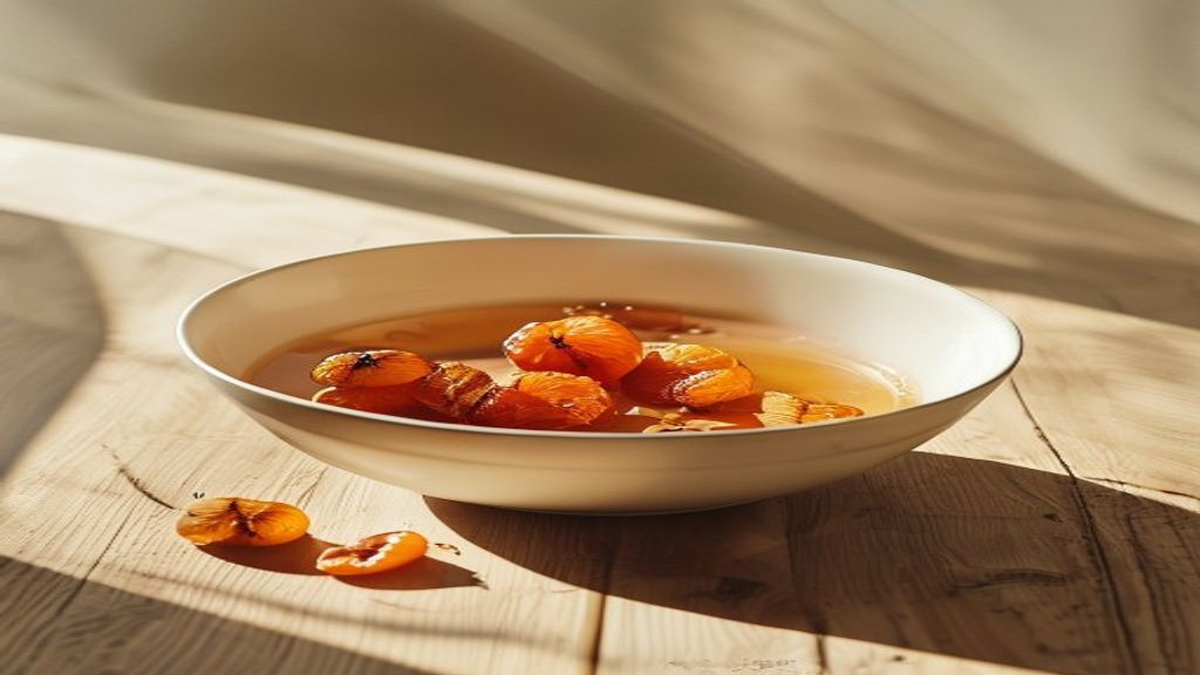
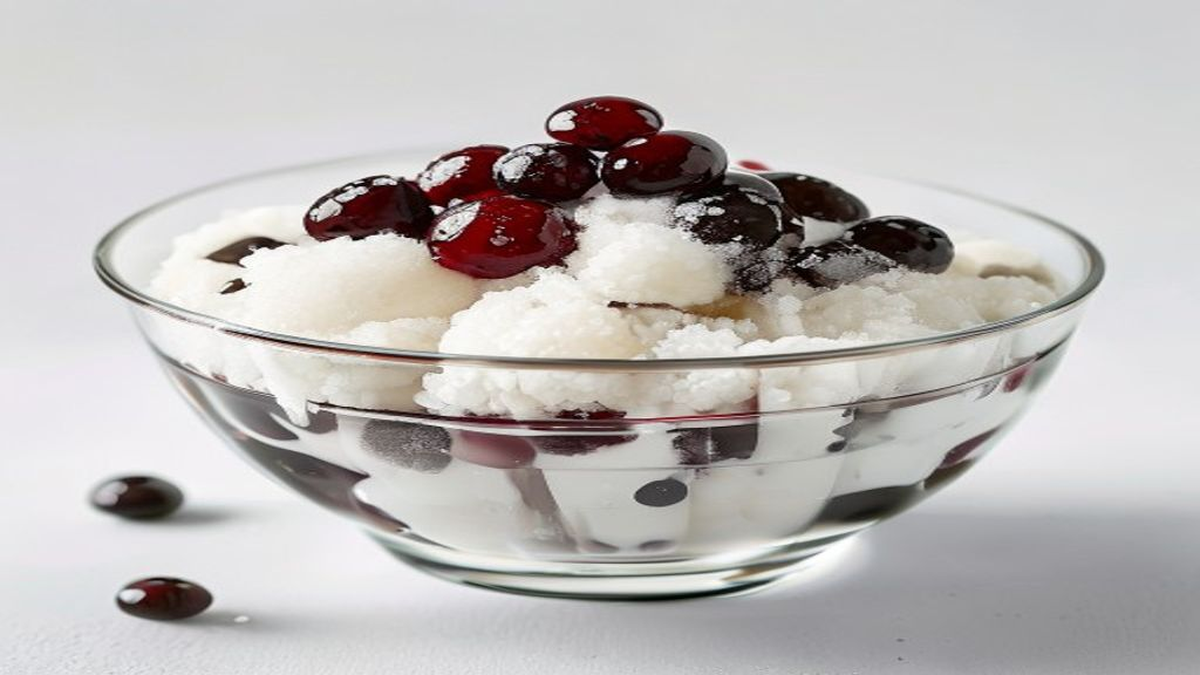
If you walk into a neighborhood bakery or a local cafe in Seoul during the humid months of July and August, you will inevitably hear the rhythmic whirring of an industrial ice shaver. In the sweltering heat, when the air feels heavy and the pavement radiates warmth long after the sun has set, the most popular order is not an iced Americano, but a large, overflowing bowl of Patbingsu (팥빙수).

The Seven Stars: Guardian Spirits of Life in Korean Folk Belief

The Seven Stars (Chilseong): Guardian Spirits of Life
The Seven Stars: Guardian Spirits of Life in Korean Folk Belief

The Seven Stars (Chilseong): Guardian Spirits of Life

If you have ever wandered through a traditional Buddhist temple complex in Korea, you may have noticed a small, distinct building tucked away near the back of the grounds. It is often separate from the main halls where large statues of the Buddha reside. If you peer inside, you might see a painting of seven elderly men with benevolent expressions, dressed in flowing robes, often surrounded by images of clouds or the night sky.

Inside Korea’s Stationery Culture and Study Spaces

Korean Stationery and Study Culture
Inside Korea’s Stationery Culture and Study Spaces

The Aesthetic of Focus: A Guide to Korean Stationery and Study Culture

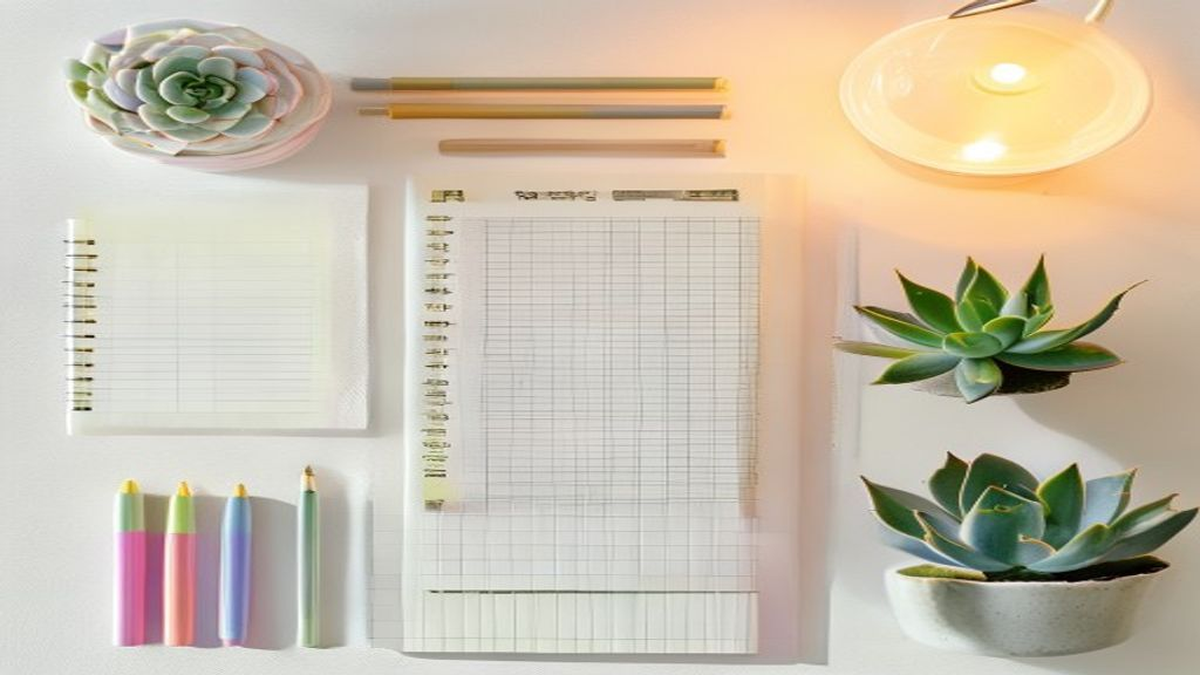
If you walk into a large bookstore in a Korean neighborhood—like the sprawling Kyobo Book Centre in Gwanghwamun or even a local branch of Alpha—you will notice a specific type of choreography. Students move through the aisles with a quiet, practiced intensity. They are not just buying pens; they are curating a toolkit. In Korea, the environment in which one studies is treated with the same importance as the subject matter itself. This is the world of dakkku (diary decorating) and the rise of the specialized study cafe, two pillars of modern student life that transform the act of learning into a highly visual, structured experience.

A Beginner’s Guide to Korean Jjimjilbang Culture and Etiquette

Public Bathhouse (Jjimjilbang) Culture for Beginners
A Beginner’s Guide to Korean Jjimjilbang Culture and Etiquette

Public Bathhouse (Jjimjilbang) Culture for Beginners

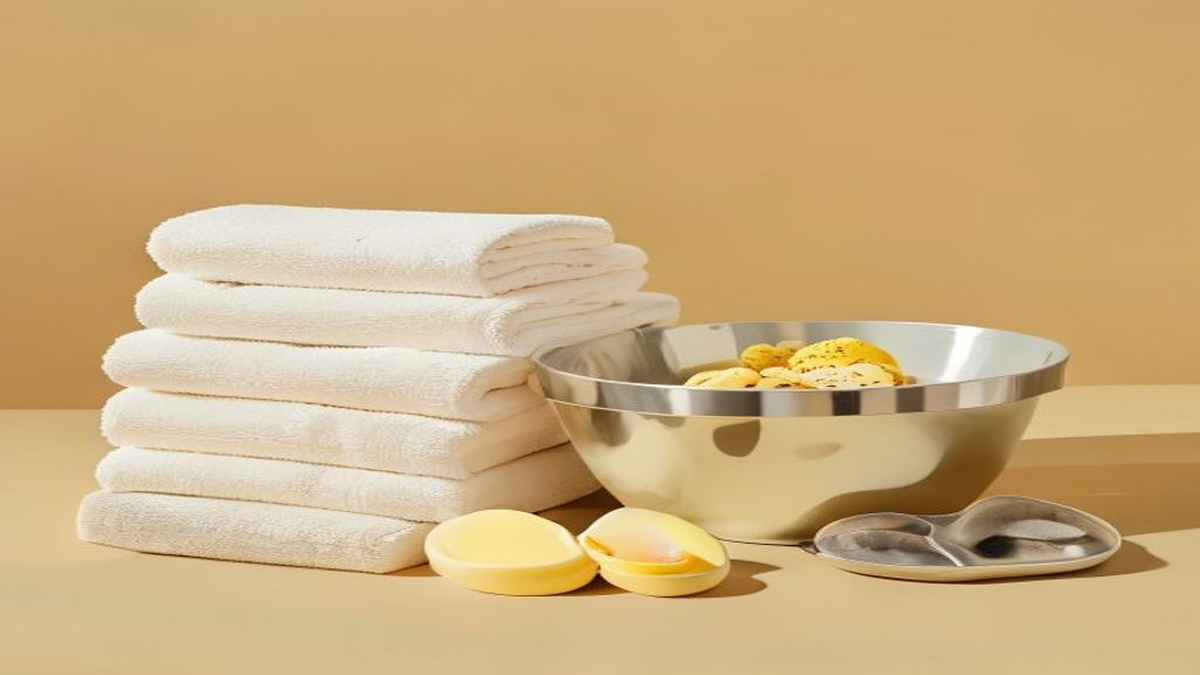
If you find yourself wandering the streets of Seoul or Busan in the middle of July, you will quickly notice that the Korean summer does not apologize for its humidity. As you duck into a building to escape the heat, you might see a sign that looks like a steaming bowl of noodles or a pair of circles. You have found a jjimjilbang (Korean sauna and bathhouse).

A Guide to Naengmyeon: Comparing Pyongyang and Hamheung Styles

The Refreshing World of Naengmyeon: Cold Noodle Traditions
A Guide to Naengmyeon: Comparing Pyongyang and Hamheung Styles

The Refreshing World of Naengmyeon: Cold Noodle Traditions

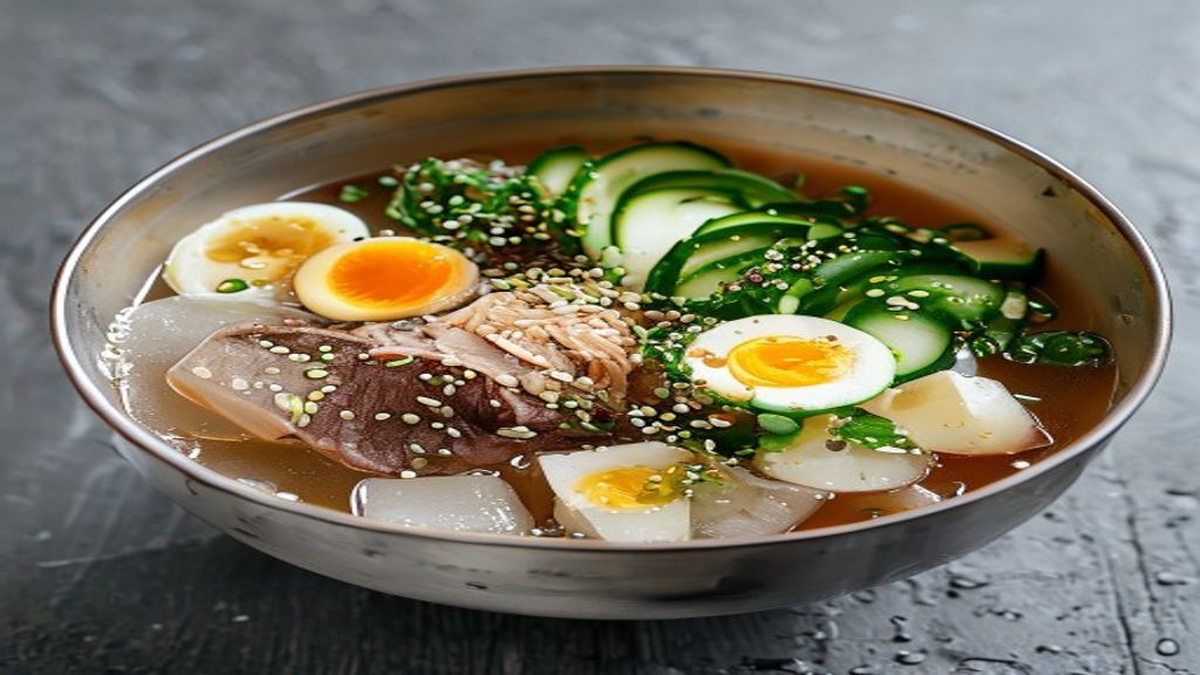
When the humidity of a Korean summer begins to cling to the city streets, the collective appetite of the nation shifts. You will notice it in the office breakrooms, the bustling lunch spots, and the way friends start conversations in June: “Shall we get Naengmyeon (cold noodles) today?”

Living in the Clouds: The Social Fabric of Korean Apartments

Korean Apartment Culture: Beyond the Concrete Facade
Living in the Clouds: The Social Fabric of Korean Apartments

Korean Apartment Culture: Beyond the Concrete Facade

If you look out of a window in Seoul, Busan, or Daegu, the view is rarely a rolling horizon. Instead, it is a rhythmic, repeating pattern: a series of towering, numbered concrete blocks rising against the sky. To an outsider, these clusters of high-rises—often referred to simply as apateu (apartments)—can feel repetitive or anonymous. But to those living within them, these complexes are not just dormitories; they are the fundamental building blocks of modern Korean life.

The Art of Banchan: Understanding Korea’s Seasonal Side Dishes

The Art of Banchan: Why Side Dishes Define a Korean Meal
The Art of Banchan: Understanding Korea’s Seasonal Side Dishes

The Art of Banchan: Why Side Dishes Define a Korean Meal

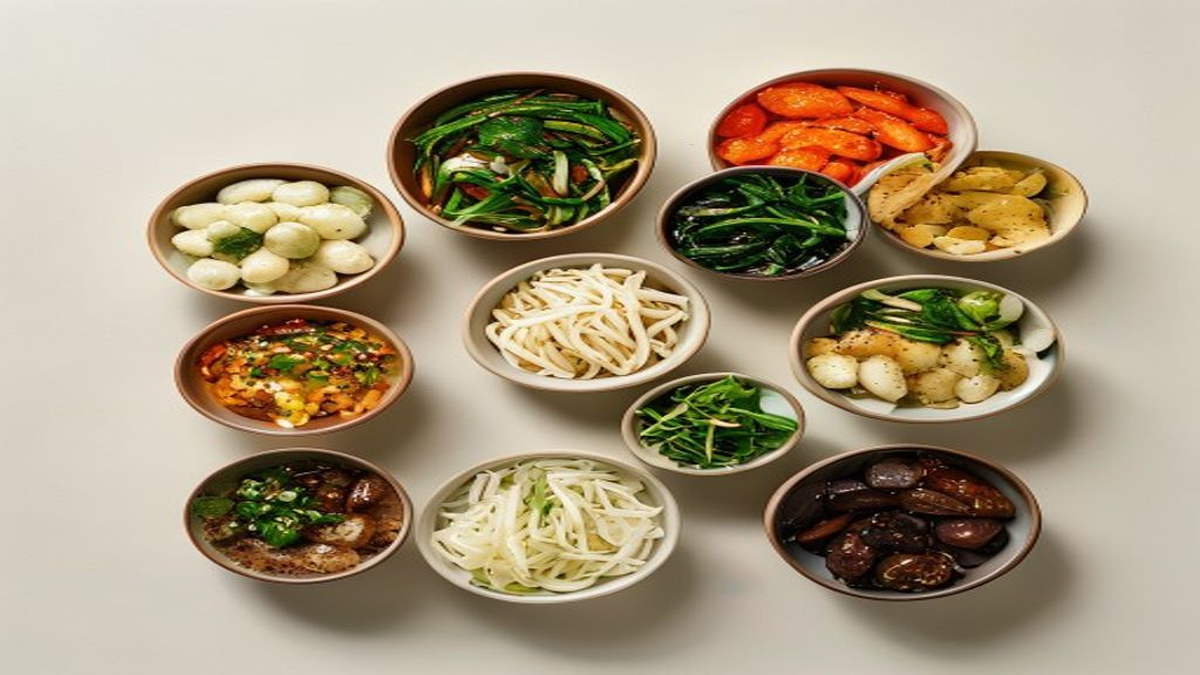
The moment a server in a Seoul restaurant finishes setting your table, the landscape before you transforms. A single main dish, perhaps a bubbling jjigae (stew) or a grilled cut of meat, is suddenly eclipsed by an array of small, colorful ceramic plates. There might be six, or perhaps ten, each filled with a different preparation: blanched greens, stir-fried mushrooms, braised tofu, or thinly sliced roots. This is banchan.

Understanding the "Ppalli-Ppalli" Pace of Korean Daily Life

![Understanding ‘Ppalli-Ppalli’: The Rhythm of Korean Life](/images/kvibe-understanding-ppalli-ppalli-the-rhythm-of-korean-life-20260704-090021.png “Understanding the “Ppalli-Ppalli” Pace of Korean Daily Life”)

Understanding ‘Ppalli-Ppalli’: The Rhythm of Korean Life

If you have spent more than an hour in a South Korean airport or navigated your way through a busy subway station in Seoul, you have likely encountered a specific, kinetic energy. It is in the way the elevator doors close before you have even fully stepped inside, or the seamless way a delivery scooter zips through a narrow alleyway. In Korea, this isn’t just a habit; it is a recognizable rhythm known as Ppalli-Ppalli (hurry, hurry).

The Legend of the Magpie Bridge: Exploring Chilseok Traditions

The Legend of the Magpie Bridge: Chilseok Traditions
The Legend of the Magpie Bridge: Exploring Chilseok Traditions

The Legend of the Magpie Bridge: Chilseok Traditions

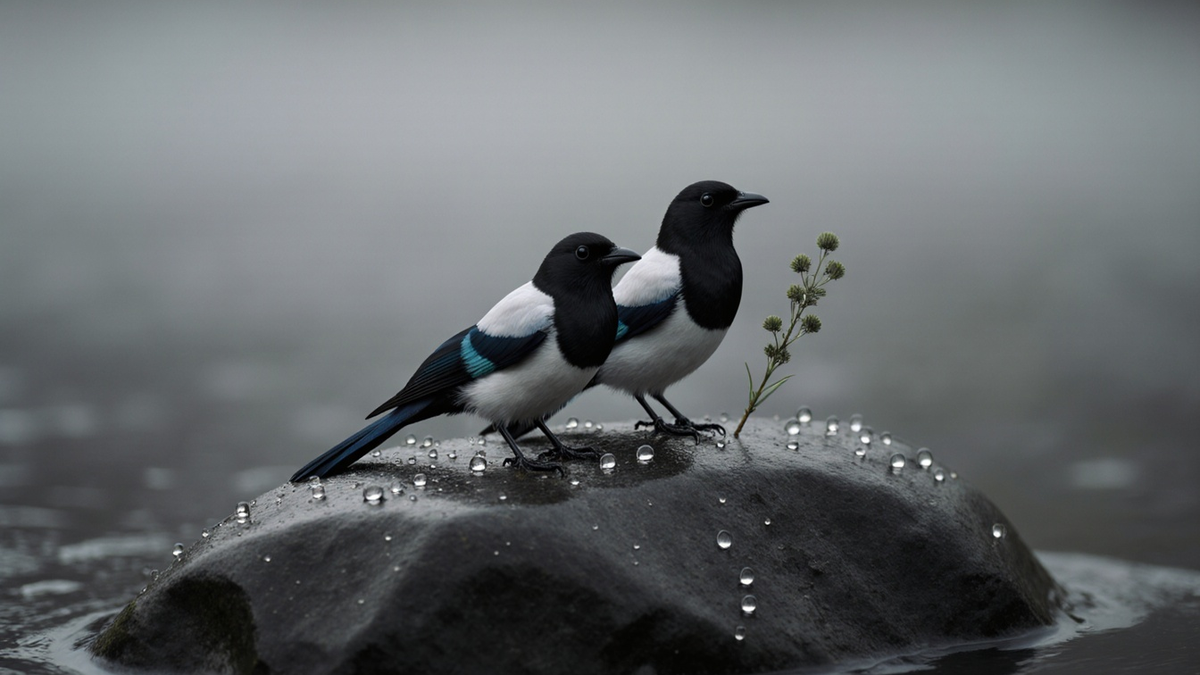
As the sweltering heat of late summer begins to crest in Korea, the sky often takes on a particularly crisp, clear quality. According to Korean folklore, this atmospheric shift is no coincidence. It is the celestial backdrop for a long-awaited reunion. This is the time of Chilseok (칠석), a traditional festival falling on the seventh day of the seventh lunar month, which serves as a cultural anchor for themes of devotion, seasonal transition, and the delicate balance between heaven and earth.

The Woodcutter and the Heavenly Maiden: A Modern Re-examination

The Woodcutter and the Heavenly Maiden: A Cultural Critique
The Woodcutter and the Heavenly Maiden: A Modern Re-examination

The Woodcutter and the Heavenly Maiden: A Cultural Critique

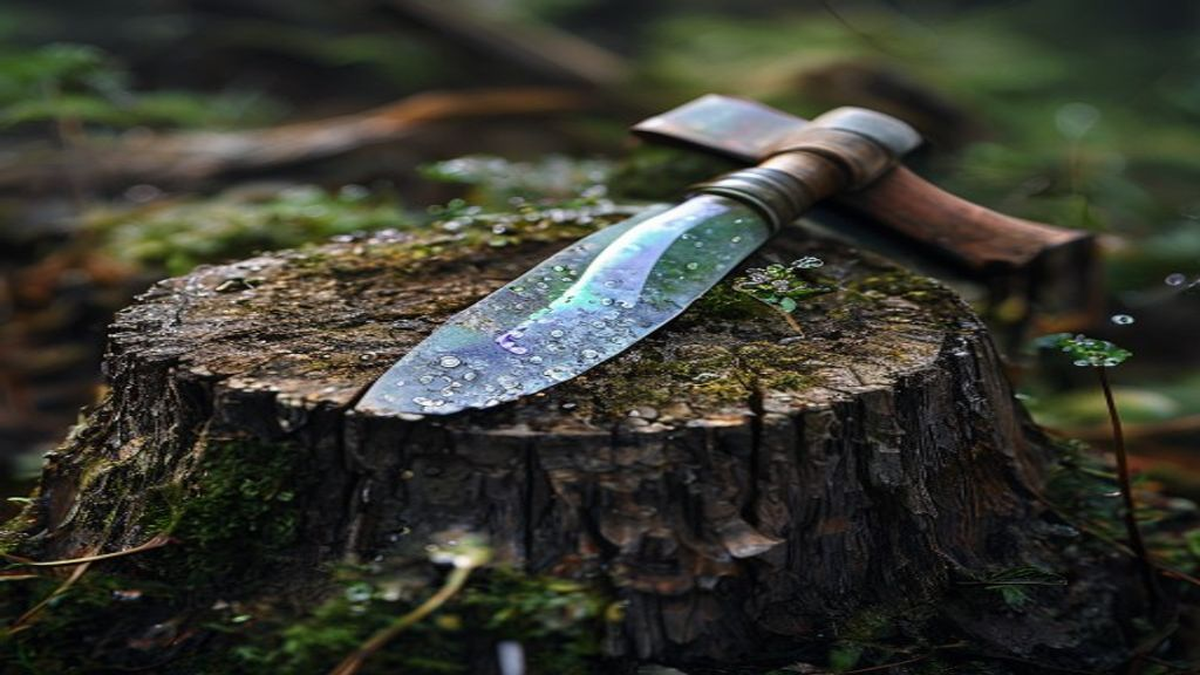
In the quiet corners of a traditional Korean household, the story of Seonnyeo-wa Namukkun—The Woodcutter and the Heavenly Maiden—is as familiar as the patterns on a bojagi (wrapping cloth). It is a tale that most Korean children encounter before they can even read, often told as a bedtime story with the rhythm of a folktale passed down through generations. To a modern ear, the premise is deceptively simple: a hardworking woodcutter rescues a deer from a hunter, and in return, the deer reveals where heavenly maidens bathe. Following the deer’s advice, the woodcutter steals one of the maidens’ winged robes, preventing her from returning to the sky. He marries her, they have children, and eventually, the maiden finds her robe, puts it on, and returns to heaven.