Korean culture stories for global readers

K-pop Demon Hunters: Anime Meets Idols

K-pop Demon Hunters: The Global Sensation Igniting a New Hallyu Wave

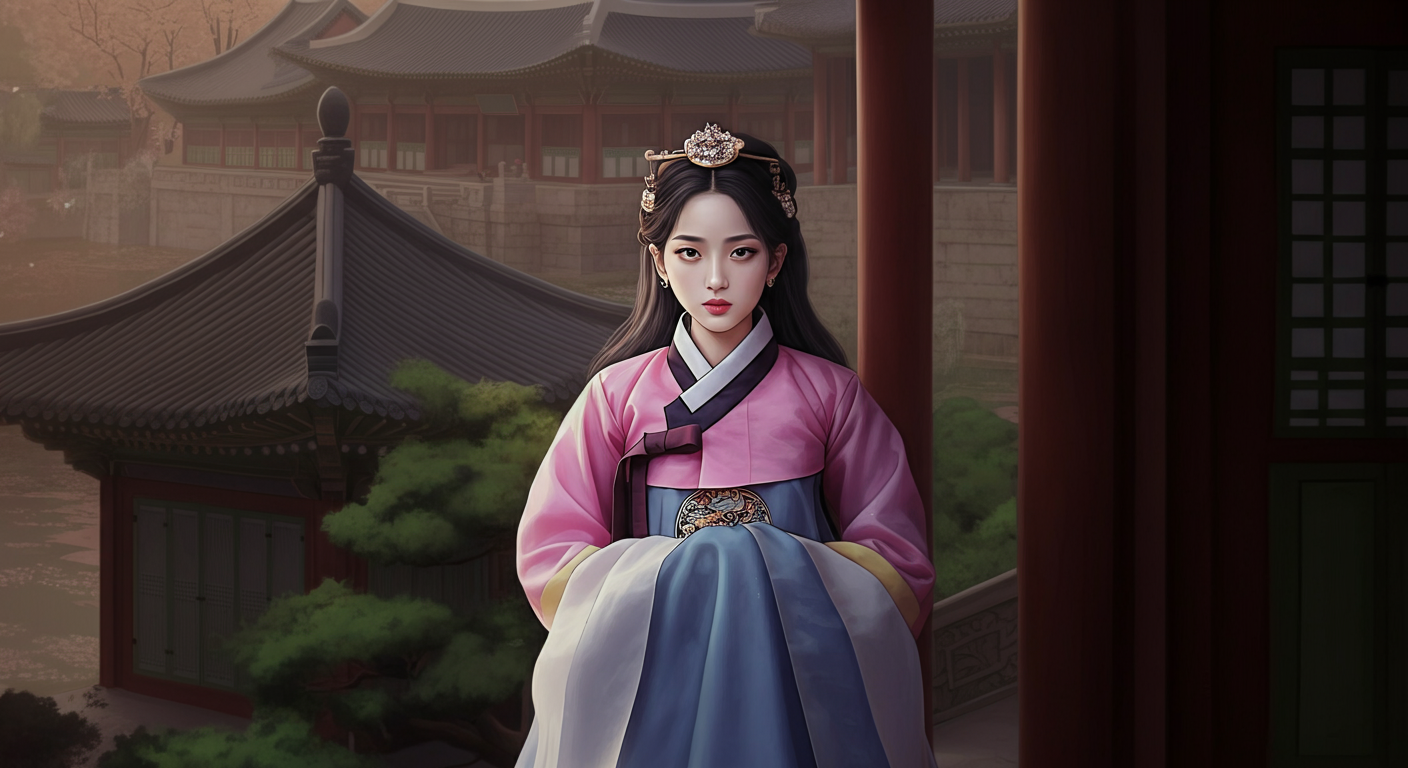
Have you heard about **K-pop Demon Hunters** (케데헌)? If not, get ready, because this groundbreaking animated series is not just another viral hit; it’s a fascinating cultural phenomenon that began its journey overseas and is now making a triumphant return to Korea, setting a whole new precedent for the **Korean Wave (한류)**. As someone who has watched Korean culture evolve and sweep across the globe, this unique “reverse inflow” (역유입) of popularity is truly something special, and I’m so excited to dive into what makes this particular blend of K-pop and traditional lore so captivating.

Dokkaebi: Goblin: More Than Just a Demon

Dokkaebi
Dokkaebi: Goblin: More Than Just a Demon

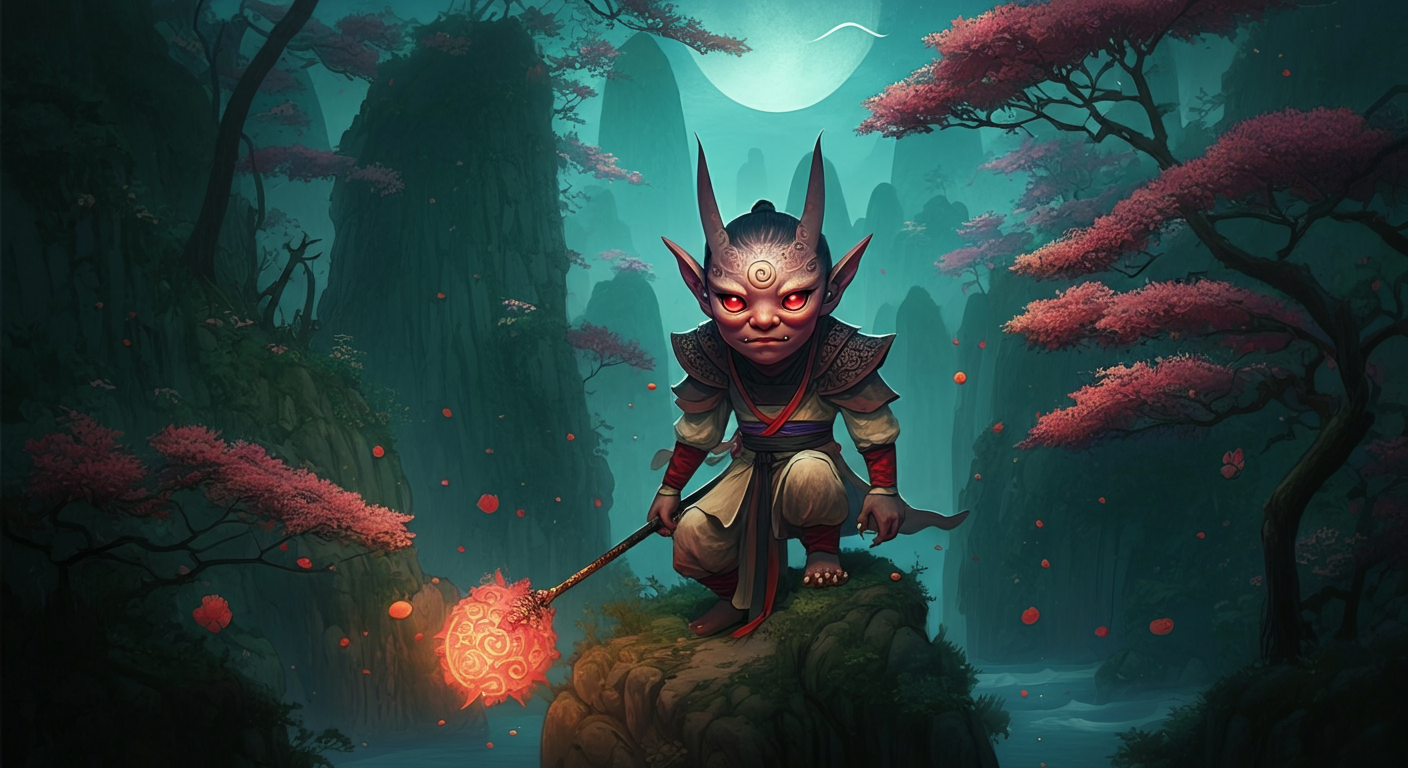
Welcome, K-VIBE fam! Are you ready to dive deep into the fascinating world of Korean mythology? If you’ve ever found yourself captivated by a supernatural love story in a K-drama or thrilled by the thought of mystical beings, then you absolutely need to meet the **Dokkaebi (도깨비)**. These iconic Korean mythical creatures are not your typical Western ghosts or demons. Oh no, they are far more complex, intriguing, and dare I say, *human-like*.

K-pop Demon Hunters: K-Wave Hype?

K-pop Demon Hunters
K-pop Demon Hunters: K-Wave Hype?

K-pop Demon Hunters (케이팝 데몬 헌터스): Where Idols Battle Evil and Culture Comes Alive

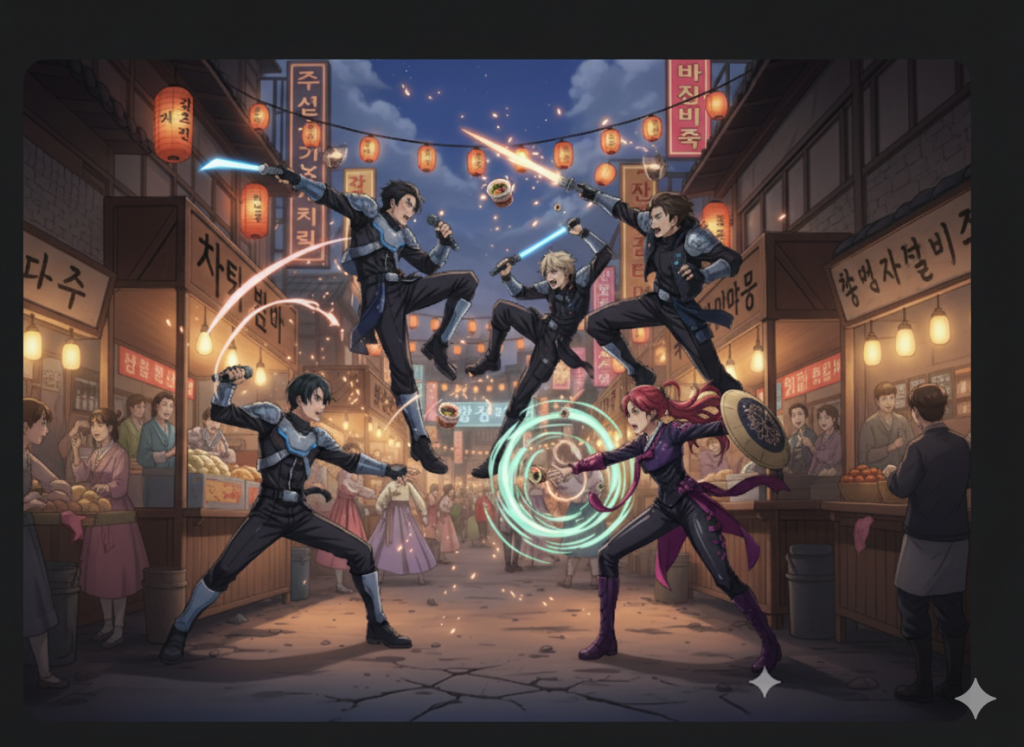
If you’ve ever dreamt of K-pop idols wielding ancient powers to fight supernatural forces, then Netflix’s latest animated sensation, K-pop Demon Hunters (케이팝 데몬 헌터스), is probably already on your radar. But beyond the thrilling action and catchy tunes, this show is a vibrant, fun-filled gateway into the heart of Korean culture, offering international audiences a delightful blend of the familiar and the uniquely Korean. Trust me on this: it’s more than just a cartoon; it’s a cultural love letter, wrapped in an idol fantasy.

Cup Noodle: The Korean Soul Healer

Cup Noodle
Cup Noodle: The Korean Soul Healer

Cup Noodle (컵라면): Korea’s Ultimate Soul Food and Comfort Companion

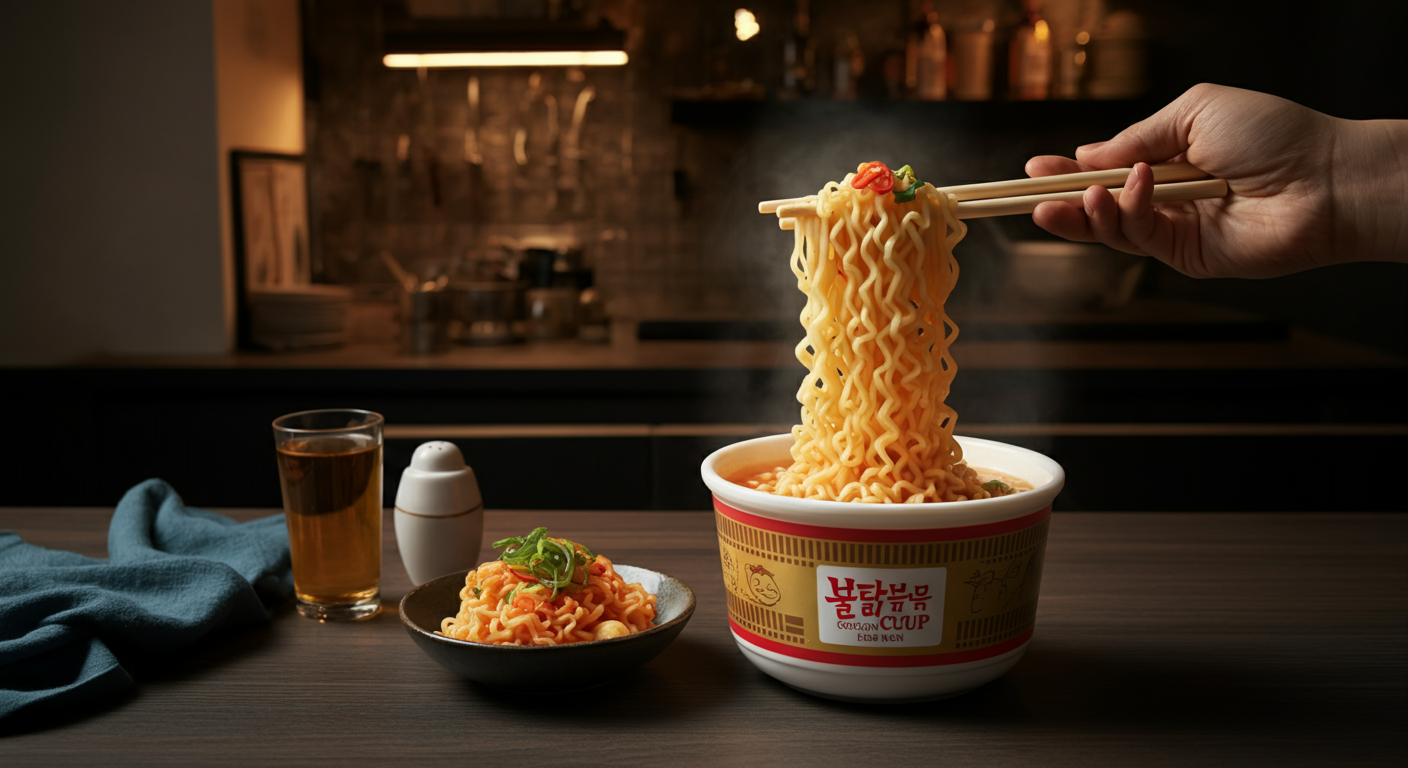
Have you ever wondered what truly fuels a K-pop idol during a late-night practice, or what a K-drama character reaches for when they need a quick, comforting meal? Often, it’s not a gourmet dish, but something much simpler, much more profound: the humble **Cup Noodle (컵라면)**. In Korea, this isn’t just a snack; it’s a cultural icon, a reliable friend, and, believe it or not, a powerful balm for the soul. Trust me on this, once you understand its place in Korean hearts, you’ll see **Cup Noodle (컵라면)** in a completely new light.

Dangun Story: Unyielding Korean Soul

Dangun Story
Dangun Story: Unyielding Korean Soul

Dangun Story (단군신화): The Enduring Spirit of Korea’s Founding Myth

Ever found yourself captivated by a K-drama character’s unwavering resolve, or marveling at a K-pop idol’s journey from a hopeful trainee to a global superstar? If you’ve wondered what fuels that incredible drive, that seemingly endless wellspring of perseverance, you’re in for a treat. Today, we’re diving deep into the very heart of Korean identity, reaching back to a story whispered through generations, a myth that is so much more than just a tale: the Dangun Story (단군신화). This isn’t just about ancient gods and magical bears; it’s about understanding the foundational spirit that continues to shape modern Korea, from its resilience in the face of adversity to its spectacular cultural triumphs.

Gimbob: Korea's Healing Snack, Ramen's Soulmate

Gimbob
Gimbob: Kimbap: Korea's Healing Snack, Ramen's Soulmate

Annyeonghaseyo, K-VIBE fam! As someone who’s spent their life immersed in the heart of Korean culture, both its vibrant traditions and its dynamic modern pulse, I’ve seen firsthand how our food has captured hearts worldwide. You’ve probably swooned over K-drama characters sharing a spicy bowl of ramyeon (라면) or seen your favorite K-pop idols munching on something that looks like a colorful sushi roll. Well, today, we’re diving deep into that iconic, humble, yet utterly indispensable dish: Gimbob (김밥). This isn’t just food; it’s a feeling, a memory, a warm hug in roll form.

Hong Gildong Story: Modern Inequality?

Hong Gildong Story
Hong Gildong Story: Modern Inequality?

**Hong Gildong Story (홍길동전): From Ancient Rebel to Modern-Day Hero – Fighting Inequality in Korea**

Have you ever immersed yourself in a K-drama and found yourself rooting for the underdog, the one fighting against a seemingly insurmountable system? Or maybe a K-pop song’s lyrics resonate with a longing for fairness in an unequal world? If so, then you’ve already felt the echoes of the **Hong Gildong Story (홍길동전)**, Korea’s legendary tale of a righteous bandit. This isn’t just a children’s fable; it’s a foundational myth, a thrilling narrative that delves into themes of injustice, social mobility, and the eternal human yearning for a just society. Growing up in Korea, the **Hong Gildong Story (홍길동전)** was more than just a historical account; it was a constant conversation starter about fairness, power, and what it truly means to be “just” when the rules themselves feel unfair.

Korean death messenger folklore: Saza boys?

Korean death messenger folklore: Saza?

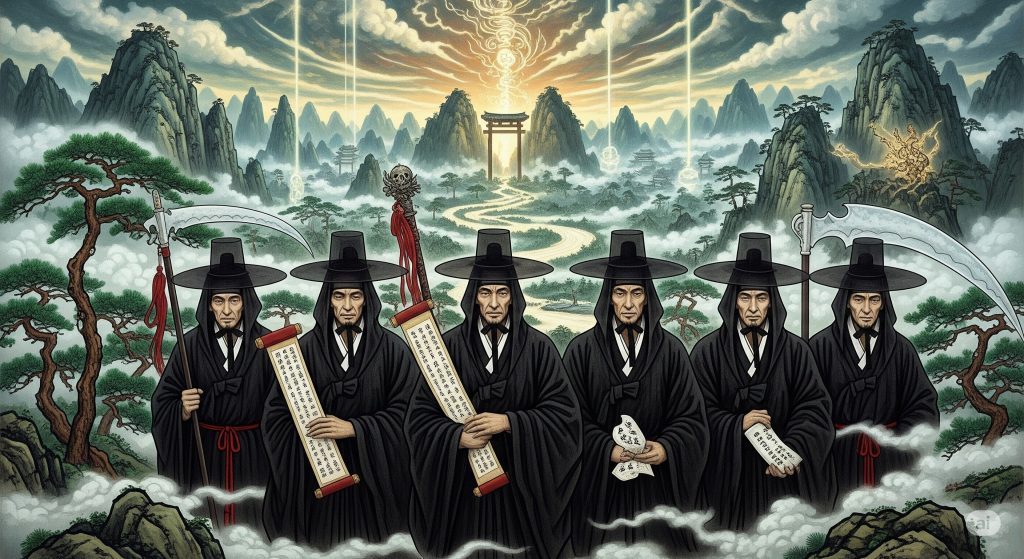
Prepare to have your perception of the afterlife transformed, because today we’re diving deep into the fascinating world of **Korean death messenger folklore (저승사자 이야기)**, a realm far richer and more complex than any simple “grim reaper” you might imagine. Forget the hooded, scythe-wielding figure you know from Western tales. Korea’s afterlife guides, the *저승사자* (jeoseungsaja), are a captivating blend of solemn duty, sartorial elegance, and, believe it or not, bureaucratic charm. Growing up in Korea, these stories weren’t just spooky tales; they were intricate narratives woven into our cultural fabric, shaping our understanding of life, death, and what truly matters. From ancient myths to blockbuster K-movies and even K-pop stages, the *저승사자* has evolved into an iconic figure, capturing the imaginations of global audiences and offering a unique window into the Korean psyche.

The Sibling who became the Sun and the Moon

The Sibling who became the Sun and the Moon
The Sibling who became the Sun and the Moon: The Sibling Who

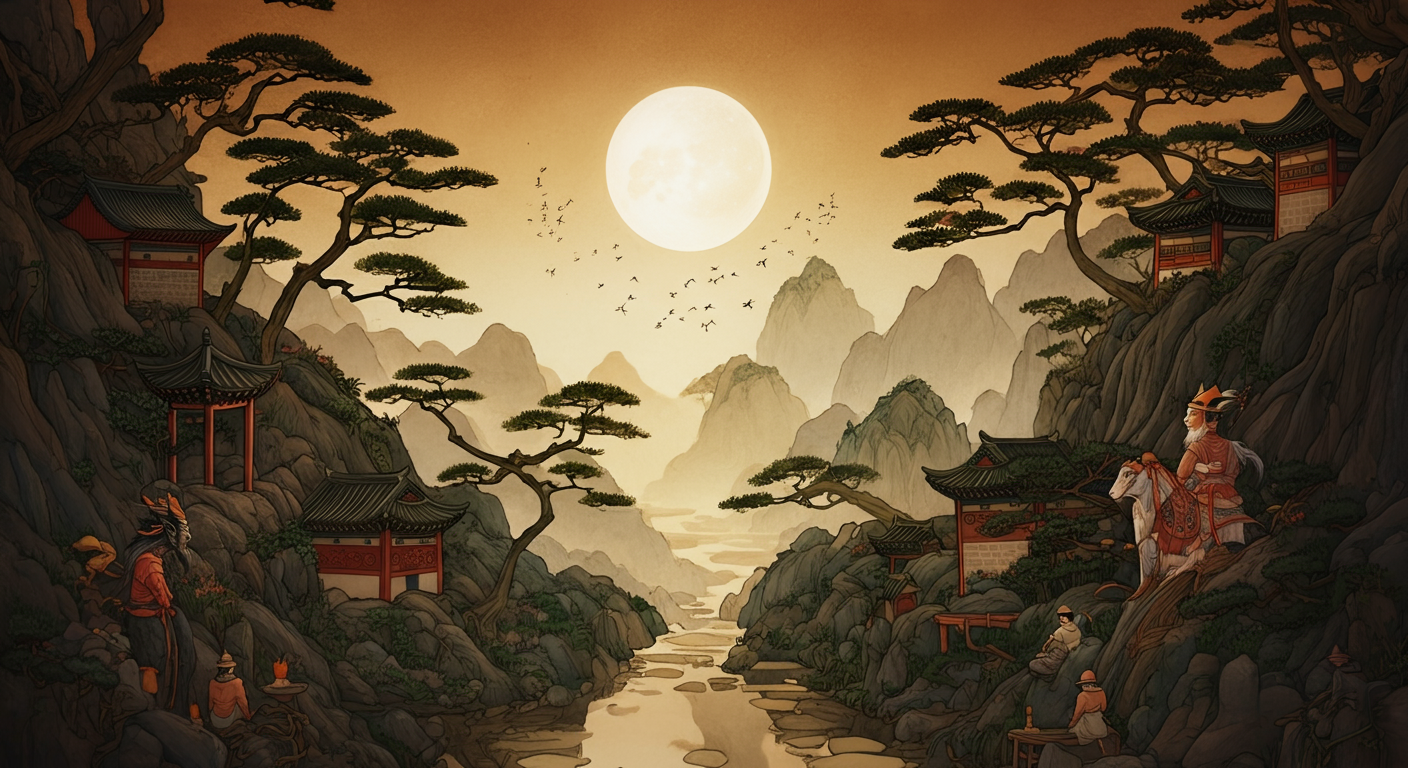
Hey, K-VIBE fam! Have you ever looked up at the sun and the moon and wondered about the incredible stories they might hold? In Korea, we certainly do! Many cultures have myths about these celestial bodies, but there’s one particular Korean tale that has not only shaped our understanding of the cosmos but also deeply woven itself into our everyday language and cultural consciousness. Get ready, because today we’re diving into the enchanting world of **The Sibling who became the Sun and the Moon (해와 달이 된 오누이)**!