Korean culture stories for global readers

Functional Chic: Why Comfort Leads Korean Street Style

Ditching the High Heels: Why Comfort Rules Korean Fashion
Functional Chic: Why Comfort Leads Korean Street Style

Ditching the High Heels: Why Comfort Rules Korean Fashion

If you spend an afternoon standing near a subway exit in Seoul—perhaps at a busy station like Hongik University or Gangnam—you will notice a specific rhythm to the crowd. It is a constant, flowing movement. People are constantly navigating stairs, long underground corridors, and steep hills that seem to define the topography of the city.
The Moon Rabbit: Korean Folklore of the Harvest Moon

The Moon Rabbit: Korean Folklore in the Night Sky
The Moon Rabbit: Korean Folklore of the Harvest Moon

The Moon Rabbit: Korean Folklore in the Night Sky

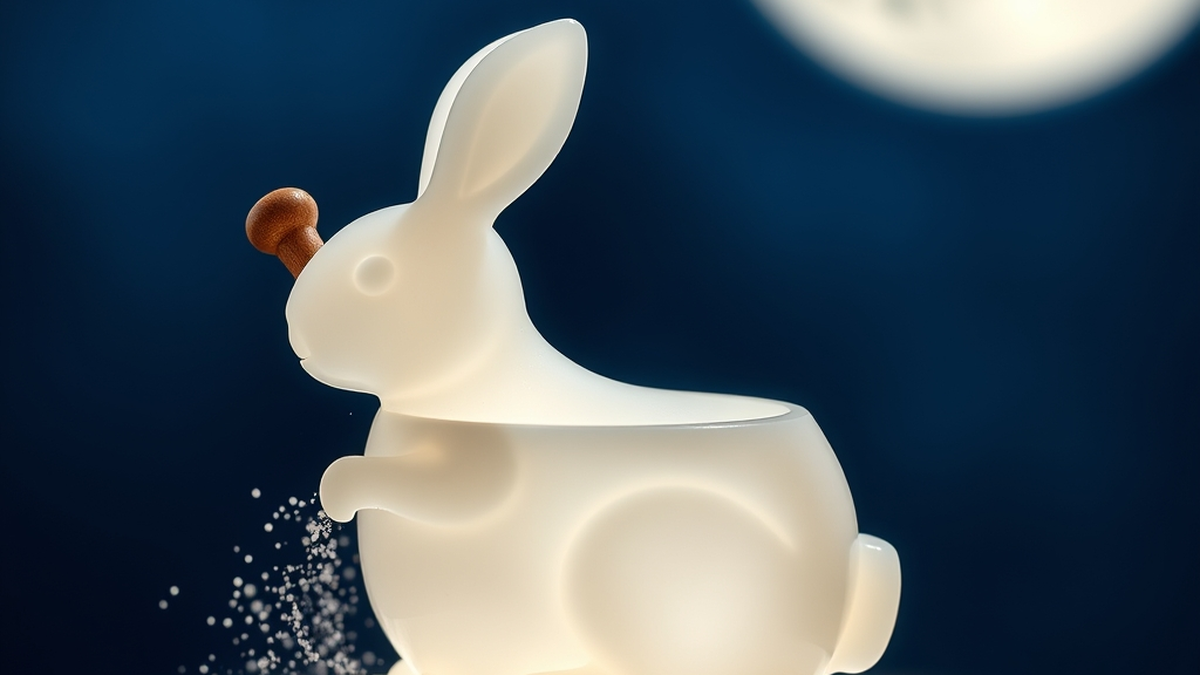
When the autumn air turns crisp and the Harvest Moon rises, full and luminous, many people in Korea look up and see more than just a satellite. They see a scene frozen in the craters of the lunar surface. While observers in other parts of the world might see a human face or a set of shadows, the traditional Korean gaze identifies a small, diligent creature: the Moon Rabbit, or Dal-tokki (달토끼).

Chuseok: The Heart of Ancestral Rites and Harvest Traditions

Chuseok Traditions: More Than Just Korean Thanksgiving
Chuseok: The Heart of Ancestral Rites and Harvest Traditions

Chuseok Traditions: More Than Just Korean Thanksgiving

In mid-September, the rhythm of South Korea undergoes a visible shift. You might notice it first in the quiet of the streets in Seoul, or the sudden, frantic scramble for train tickets on digital apps. While many international observers are familiar with the term “Korean Thanksgiving,” this shorthand misses the core of what Chuseok actually is: a profound, days-long tether between the living and the departed, dictated by the cycles of the moon and the weight of familial duty.

Bibimbap: A Harmony of Seasonal Flavors and Obangsa Color

Bibimbap: A Reflection of Korean Balance and Seasonal Ingredients
Bibimbap: A Harmony of Seasonal Flavors and Obangsa Color

Bibimbap: A Reflection of Korean Balance and Seasonal Ingredients

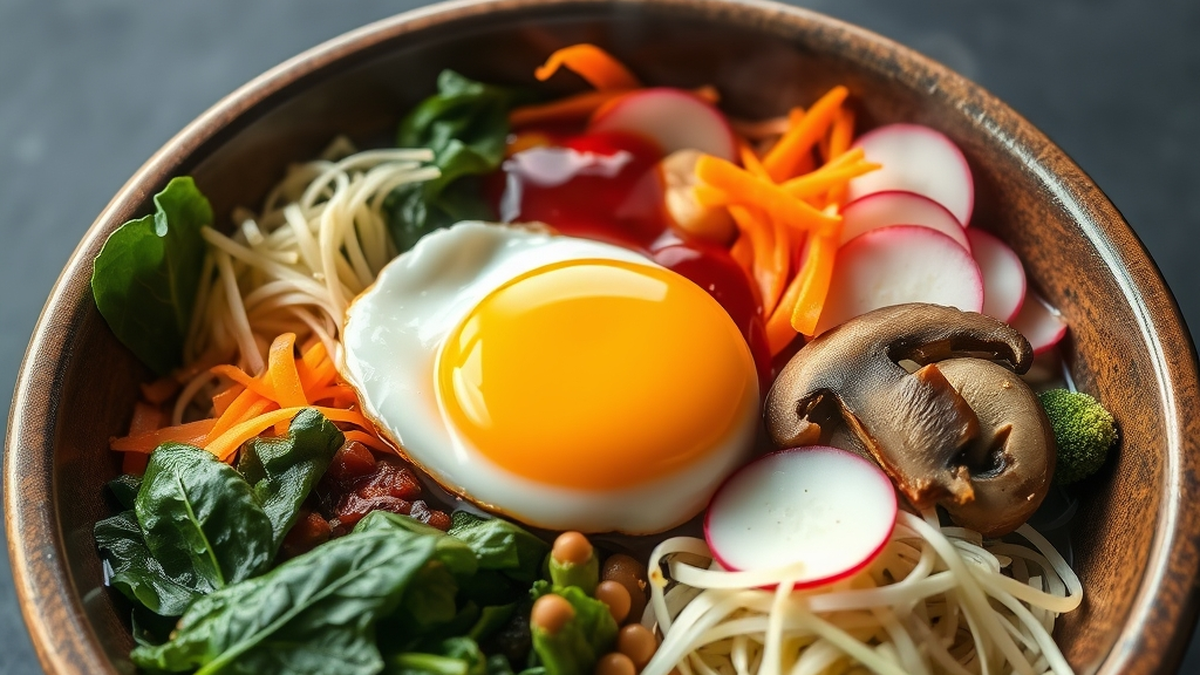
At a standard lunch hour in a bustling Seoul neighborhood, the sound of a metal spoon clinking against a heavy stone bowl is a universal signal. A diner receives a bowl topped with a precise arrangement of julienned vegetables, a mound of seasoned meat, and a vibrant dollop of red chili paste. While the instinct for many newcomers is to immediately toss everything together into an indistinguishable heap, the dish represents something far more deliberate than a simple quick fix for leftovers.

Sanshin: Understanding Korea’s Sacred Mountain Spirits

Sanshin: The Mountain Spirit in the Korean Landscape
Sanshin: Understanding Korea’s Sacred Mountain Spirits

Sanshin: The Mountain Spirit in the Korean Landscape

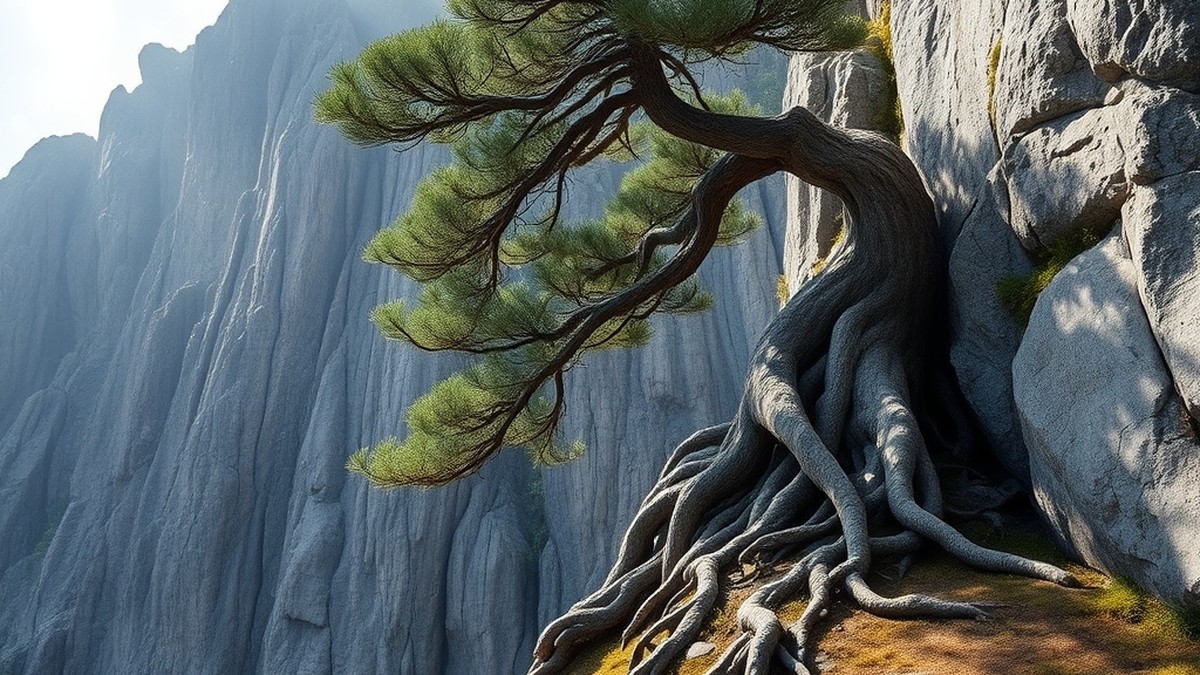
If you spend any time hiking in Korea—whether you are trekking the granite slopes of Bukhansan in Seoul or wandering the forested paths of Seoraksan—you will eventually find yourself at a Buddhist temple. If you walk past the main hall, usually dedicated to the Buddha, and follow a narrow path slightly higher up the mountainside, you will inevitably stumble upon a small, quiet structure.

The Evolution and Social Role of Korean Cafe Culture

The Korean Coffee Culture: From Traditional Tea to Modern Cafes
The Evolution and Social Role of Korean Cafe Culture

The Korean Coffee Culture: From Traditional Tea to Modern Cafes

If you walk down any street in a major Korean city during the height of August, you will notice a recurring pattern. The air is thick with humidity, and the pavement radiates heat. Within seconds of stepping outside, most people are already seeking the cool, glass-paned sanctuary of a nearby cafe. It is not just about the caffeine; it is about the climate-controlled refuge that has become the backbone of modern Korean social life.

The Sun and the Moon: A Korean Tale of Bravery and Origin

The Sun and the Moon: A Tale of Bravery and Celestial Origin
The Sun and the Moon: A Korean Tale of Bravery and Origin

The Sun and the Moon: A Tale of Bravery and Celestial Origin

If you have ever spent a long, humid afternoon in Korea looking up at the sky, you might have noticed how often the light feels like a character in its own right. In the traditional worldview of the Korean peninsula, the transitions between day and night were not merely scientific events; they were the result of a harrowing chase, a family bond, and a transformation that turned a desperate escape into a permanent feature of the cosmos.

Beyond Goblins: Understanding the Spirit of the Dokkebi

The Dokkebi: Why These Mythical Creatures are Not Just ‘Goblins’
Beyond Goblins: Understanding the Spirit of the Dokkebi

The Dokkebi: Why These Mythical Creatures are Not Just ‘Goblins’

If you have spent any time immersed in Korean stories, you have likely encountered a figure that is often translated as a “goblin.” You might see them depicted as horned, muscle-bound, club-wielding creatures in an old woodblock print, or perhaps as a tragic, centuries-old soul in a high-budget television drama. But if you look for them in Western folklore, you will hit a wall. To call a Dokkebi (도깨비) a goblin is to miss the entire point of what they represent in the Korean cultural consciousness.

Essential Korean Phrases for Navigating Public Transit

Essential Korean Phrases for Navigating Public Transit

Essential Korean Phrases for Navigating Public Transit

The rhythmic ding-dong of the Seoul subway doors or the sudden, decisive lurch of a blue city bus is the heartbeat of daily life in Korea. For international visitors, the high-tech efficiency of the transit system is a marvel, but it can also feel like an impenetrable fortress of speed and specialized vocabulary. You might have your T-Money card ready, but when the bus driver shouts something at the stop or you need to squeeze through a packed subway car, the textbook phrases you learned back home rarely surface in time.

Hanok: How Traditional Architecture Harmonizes with Nature

The Meaning of Hanok: Living Spaces and Nature in Traditional Architecture
Hanok: How Traditional Architecture Harmonizes with Nature

The Meaning of Hanok: Living Spaces and Nature in Traditional Architecture

If you have ever visited a traditional Korean house, or Hanok, on a sweltering August afternoon, you have likely experienced a moment of sudden, cool relief. The air inside shifts the moment you step off the stone courtyard and onto the elevated wooden floor. It isn’t air conditioning; it is physics.