Korean culture stories for global readers

Sik-hye: The Science and Tradition of Korea’s Rice Digestif
Sik-hye: The Sweet Rice Punch of the Harvest
Sik-hye: The Science and Tradition of Korea’s Rice Digestif

Sik-hye: The Sweet Rice Punch of the Harvest

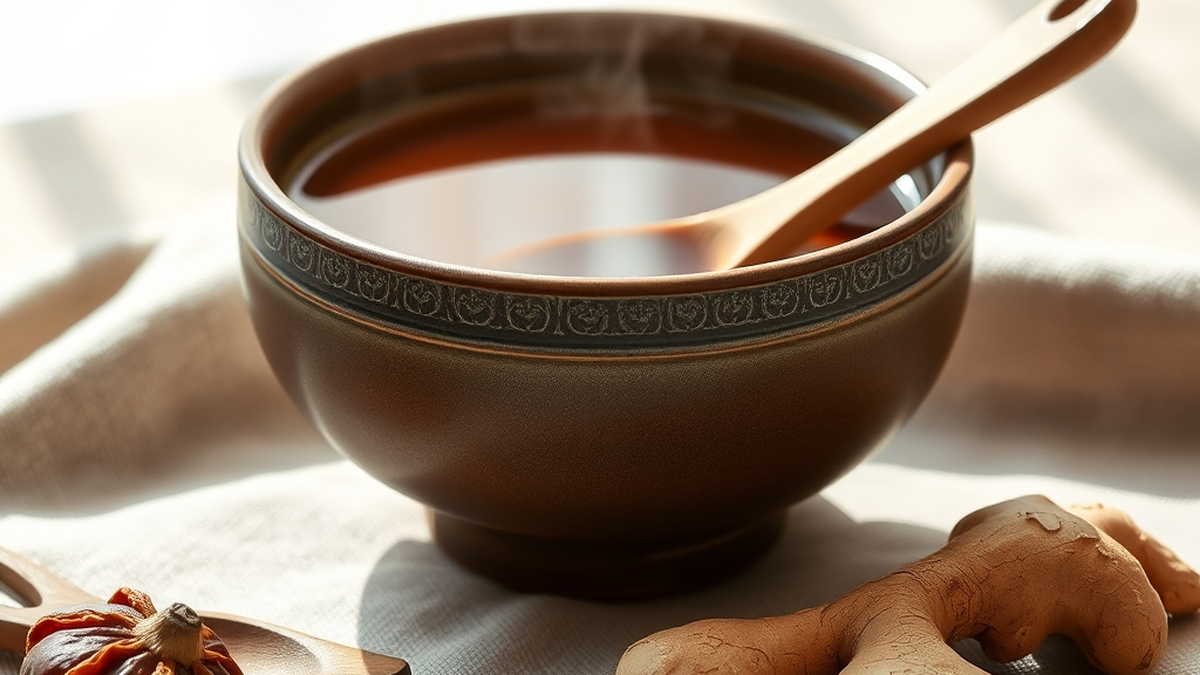
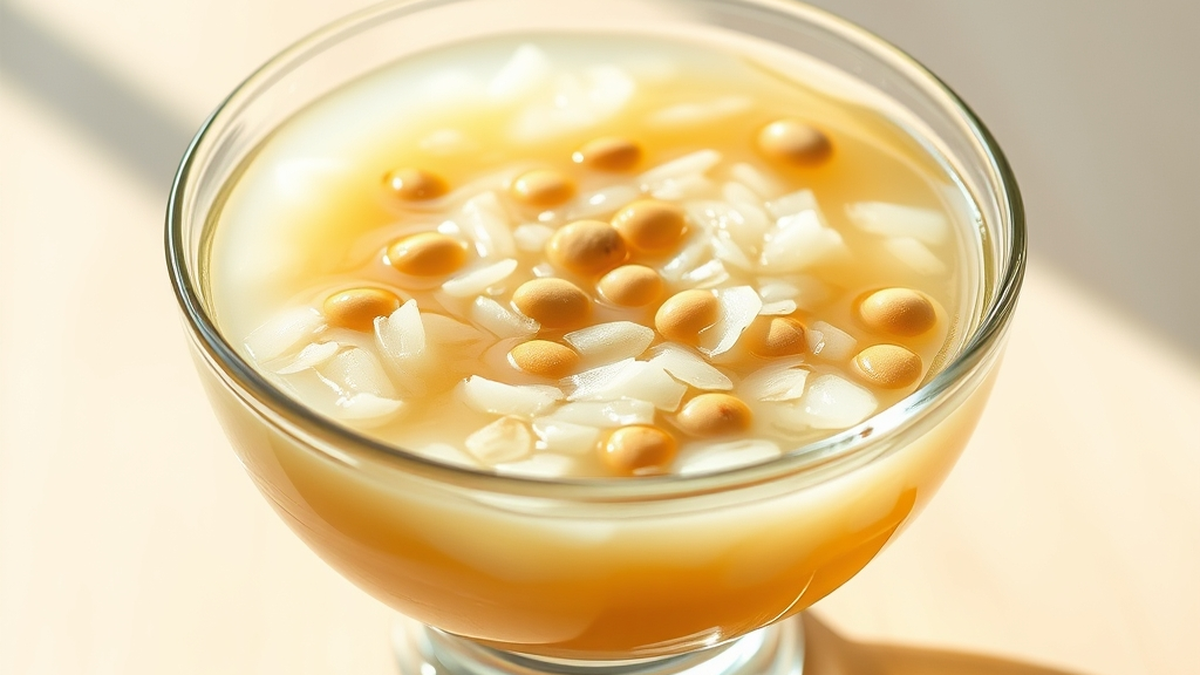
If you have ever been invited to a Korean home for a holiday meal or visited a traditional Korean sauna, you have likely encountered a clear, amber-colored liquid served in a chilled glass. At the bottom, a small cluster of soft, cooked rice grains rests like a soft sediment. This is Sik-hye (식혜), a traditional Korean beverage that is as central to the experience of a holiday feast as the turkey is to a Thanksgiving dinner in the West.

The Art and Purpose of Giwa: Understanding Korean Roof Tiles

The Importance of Traditional Roof Tiles (Giwa) in Architecture
The Art and Purpose of Giwa: Understanding Korean Roof Tiles

The Importance of Traditional Roof Tiles (Giwa) in Architecture

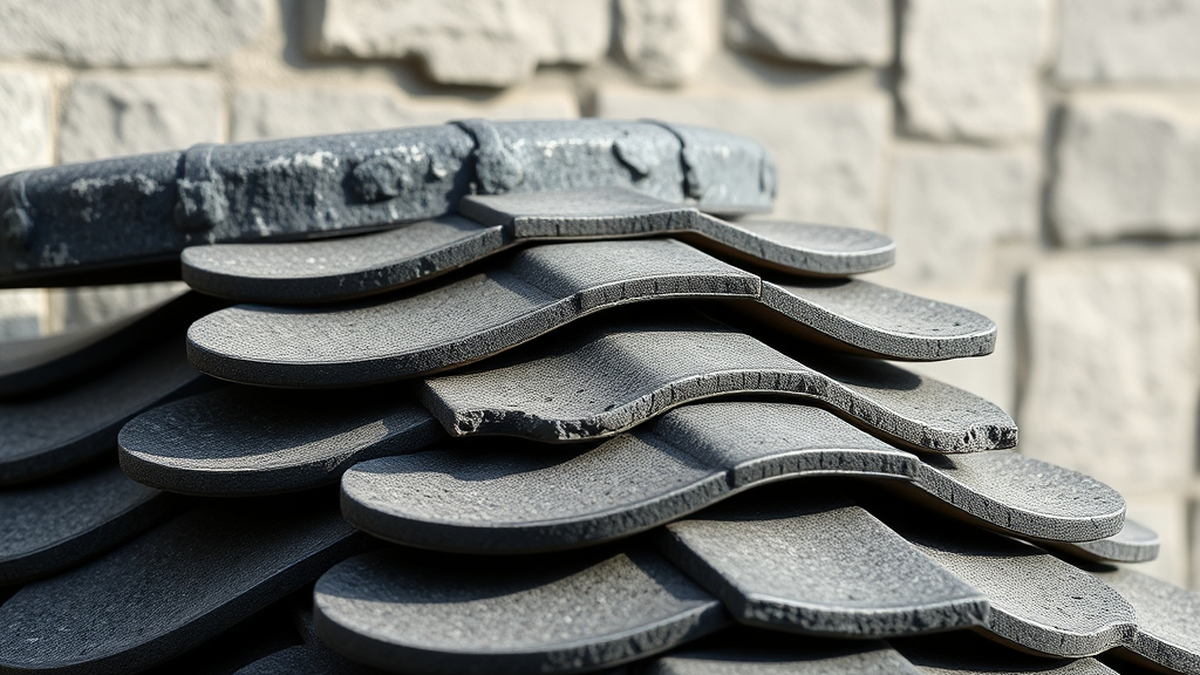
If you have spent any time wandering through the winding alleys of Seoul’s Bukchon Hanok Village or stood in the courtyard of a royal palace like Gyeongbokgung, you have likely found yourself craning your neck upward. Beyond the sliding wooden doors and the stone foundations, it is the roof—specifically the elegant, sweeping curve of the giwa (traditional roof tiles)—that defines the silhouette of a Korean home.

Samjok-o: Understanding the Symbolism of the Three-Legged Crow

Samjok-o: The Three-Legged Crow of Ancient Skies
Samjok-o: Understanding the Symbolism of the Three-Legged Crow

Samjok-o: The Three-Legged Crow of Ancient Skies

If you find yourself wandering through a historic site in South Korea—perhaps a tomb complex in Gyeongju or an exhibition hall in Seoul—you may eventually encounter an image that gives you pause. It is a bird, coal-black and sharp, soaring against the backdrop of a flaming sun. But upon closer inspection, you notice something distinctly unconventional: the bird has three legs.

A Beginner’s Guide to Korean Jjimjilbang Etiquette and Relaxation

Why You Should Visit a Jjimjilbang (Public Bathhouse)
A Beginner’s Guide to Korean Jjimjilbang Etiquette and Relaxation

Why You Should Visit a Jjimjilbang (Public Bathhouse)

If you walk down a side street in Seoul or Busan, you will inevitably spot a sign featuring the character ♨ or the word sauna blinking in neon. Beneath it, you will likely see the term jjimjilbang (찜질방). While it is often translated simply as a “public bathhouse” or “sauna,” the reality is a multi-story ecosystem that serves as a cornerstone of Korean leisure culture.

The Golden Harvest: Celebrating Korea’s Pears and Persimmons

The Magic of Pear and Persimmon in Early Autumn
The Golden Harvest: Celebrating Korea’s Pears and Persimmons

The Magic of Pear and Persimmon in Early Autumn

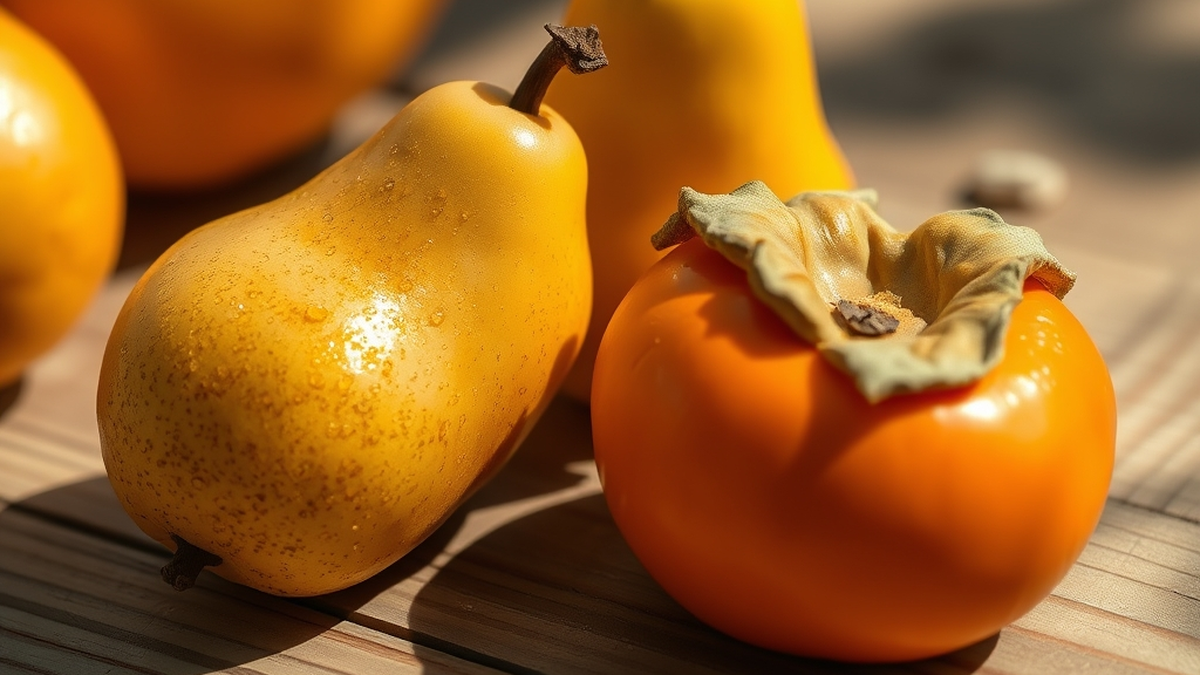
In Korea, the changing of the seasons is not merely marked by a shifting thermometer or a calendar date, but by the produce that suddenly claims center stage in grocery stores, street markets, and, most importantly, the dining table. As September arrives, the humidity of the long summer begins to wane, and the heavy, humid air is replaced by a crisp clarity. This is the moment when the bae (Korean pear) and gam (persimmon) make their grand arrival.

The Role of the Eoreun: Understanding Respect in Korean Society

The Role of the Eoreun (Elder) in Korean Society
The Role of the Eoreun: Understanding Respect in Korean Society

The Role of the Eoreun (Elder) in Korean Society

If you walk into a traditional Korean restaurant during a busy lunch hour, you might notice a subtle, rhythmic choreography that has nothing to do with the staff. A group of colleagues sits down; the youngest member immediately reaches for the water pitcher to pour glasses for everyone else. When the older team lead speaks, the rest of the table leans in slightly, nodding in rhythmic agreement. It is not an act of submission, nor is it a rigid corporate mandate. It is simply the manifestation of how the eoreun—the elder—functions as the gravity around which Korean social interactions orbit.

The Dangun Myth: The Ancient Origins of the Korean Nation

The Dangun Myth: Exploring the Foundation of Korea
The Dangun Myth: The Ancient Origins of the Korean Nation

The Dangun Myth: Exploring the Foundation of Korea

As the humid heat of the Korean summer fades and the air turns crisp, the peninsula enters the season of harvest and reflection. For many who live here, this time of year—culminating in the holiday of Gaecheonjeol (the day the sky opened)—serves as a reminder of the foundational narrative that weaves through the fabric of Korean history: the story of Dangun.

Essential Korean Phrases for Traditional Market Shopping

Essential Korean Phrases for Market Shopping
Essential Korean Phrases for Traditional Market Shopping

Essential Korean Phrases for Market Shopping

Stepping into a traditional Korean market, or sijang, is an exercise in sensory overload. The air is heavy with the scent of toasted sesame oil, frying bindaetteok (mung bean pancakes), and the sharp, earthy aroma of mounds of fresh produce. September is perhaps the most vibrant time to visit, as stalls overflow with the crisp harvest goods of autumn.

A Guide to Hanbok Etiquette: Respecting Korean Tradition

Hanbok Etiquette: Respecting Traditional Attire
A Guide to Hanbok Etiquette: Respecting Korean Tradition

Hanbok Etiquette: Respecting Traditional Attire

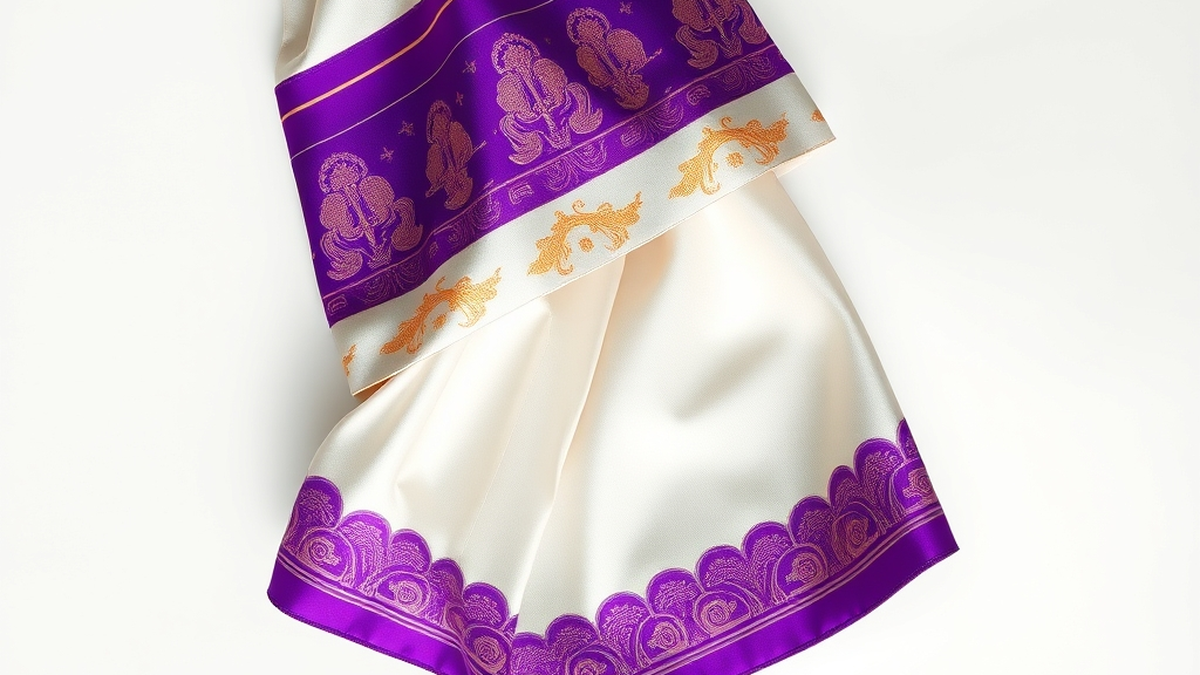
The crisp air of September has returned to Seoul, turning the stone-paved walkways of Gyeongbokgung Palace into a runway of flowing silk and vibrant patterns. As the stifling humidity of mid-summer fades, the palace grounds fill with people dressed in Hanbok—the traditional Korean attire characterized by clean lines and striking silhouettes.

For many international visitors, renting a Hanbok is a highlight of their trip. It offers a bridge into the visual history of the peninsula. However, as the sight of tourists in Hanbok becomes a staple of the city’s landscape, the line between appreciating this attire and treating it as a mere photo prop can blur. Understanding the etiquette surrounding Hanbok isn’t about following a rigid rulebook; it is about recognizing the clothing as a form of cultural expression rather than a costume.

Jeon: Crafting Seasonal Harvest Pancakes for Gatherings

Jeon: The Savory Pancakes of Autumn
Jeon: Crafting Seasonal Harvest Pancakes for Gatherings

Jeon: The Savory Pancakes of Autumn

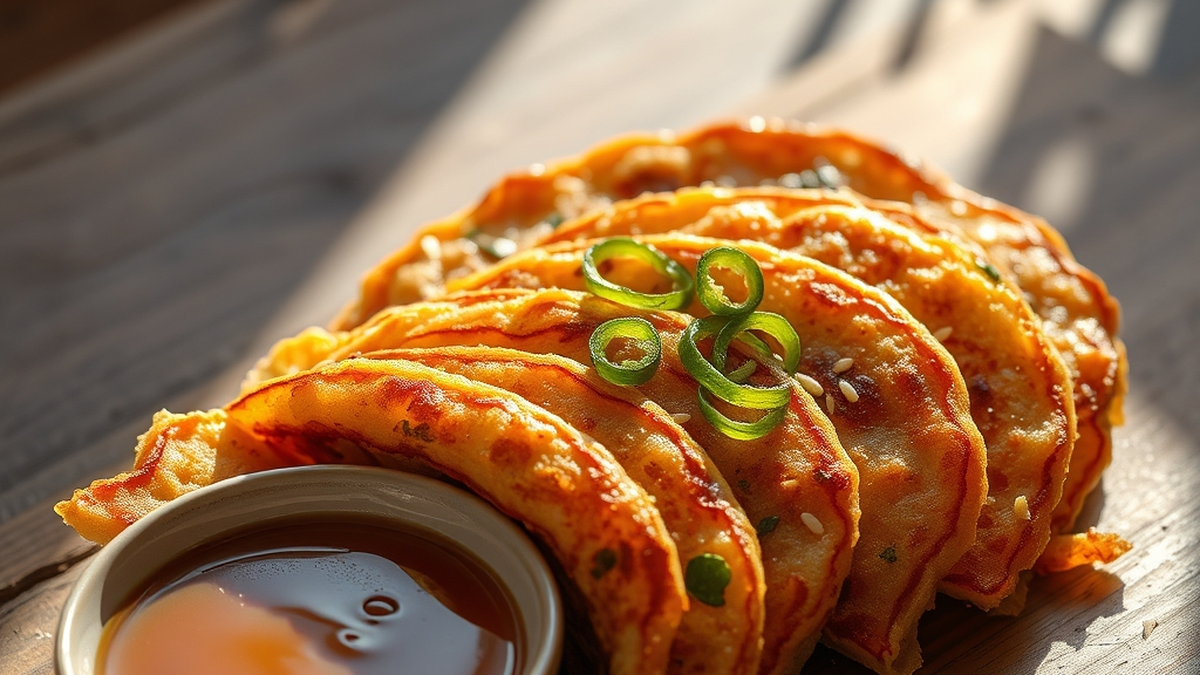
In the cool, crisp weeks of autumn in Korea, the kitchen often becomes the focal point of the home. Long before the main meal is served, the air fills with the distinct, golden aroma of sizzling oil and lightly toasted flour. This is the scent of jeon (전)—a diverse category of pan-fried dishes that serve as the backbone of the Korean table, particularly during the harvest season.